Undocumented Immigration

Report Brings Border Patrol Abuses to Light in Washington State
The borderlands of the southwestern United States are not the only place where immigration enforcement tramples upon the most basic of civil and human rights. Many communities along the northern border are also subject to such abuses, as detailed in a recent report from OneAmerica and the University of Washington Center for Human Rights. The report, entitled The Growing Human Rights Crisis Along Washington’s Northern Border, is based on a year’s worth of interviews and observations in border communities in Washington State. This investigation found that Border Patrol agents, often acting in collaboration with local police, repeatedly harass and abuse immigrants, as well as native-born U.S. citizens perceived to look or sound like immigrants. Read More

Young, Professional DREAMers Deserve Recognition
Earlier this week, numerous media outlets covered the story of Jose Godinez-Sampiero, a DREAM Act-eligible law school graduate whose application for a law license is currently pending before the Florida Supreme Court. Similar stories are playing out in California and New York, as young people brought to this country as children are now law school graduates, trying to make use of their professional degrees. The problem isn’t just for young lawyers, however, but is faced by many DREAMers, such as Dulce Matuz, an engineer turned DREAM Act advocate, who made Time Magazine’s Top 100 list this week. Read More

FAIR’s Economic Analysis of HB56 Ignores Reality in Alabama
While the original sponsors of Alabama’s extreme anti-immigrant bill HB56 have acknowledged that the law is deeply flawed, as evidenced by a new bill to modify some of the harsher provisions, the restrictionist stalwarts at the Federation for American Immigration Reform (FAIR) want Alabamians to remember what it has supposedly done for the state. In a recent article, FAIR continues to make the unsubstantiated claim that HB56 is exactly what Alabama’s economy and workers need. It does this by using its trademark technique of pitting Alabama’s native-born workers against immigrants and their children, many of whom are U.S. citizens. Read More

Immigrant Tax Contributions and the Future of the U.S. Economy
When it comes to the topic of immigration, Tax Day is a reminder of two important and often-overlooked points. First, immigrants pay billions in taxes every year. This is true even of unauthorized immigrants. Second, the federal government spends billions of taxpayer dollars each year on immigration-enforcement measures that wouldn’t be necessary if not for the chronic inability of Congress to reform our badly outdated immigration system. In other words, there is a strong fiscal case to be made for immigration reform. Were the U.S. immigration system to be given a 21st century overhaul, we would likely increase the tax dollars flowing from the immigrant community, and we would spend far less taxpayer money on immigration enforcement. Read More
Colorado, Hawaii and Delaware Progress on Tuition Equity for Undocumented Students
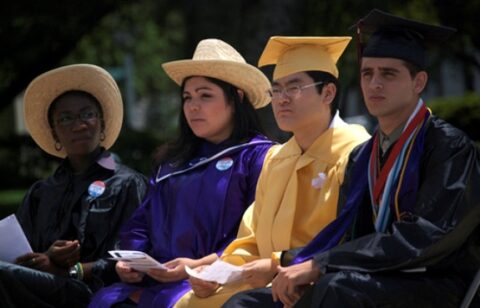
Legislation intended to make college education more affordable for undocumented students continues to work its way through state legislature across the U.S. Last week, the Colorado Senate approved SB 15 (or ASSET), a tuition equity bill that would provide a standard tuition rate to qualifying students regardless of immigration status. Likewise, bills in Hawaii and Delaware which provide in-state tuition and financial aid to eligible students regardless of status are also moving through their respective legislatures. Currently, twelve states have laws on their books that permit certain undocumented students who have attended and graduated from their primary and secondary schools to pay the same tuition as their classmates at public institutions of higher education. Read More

The Coming Wave of Second-Generation Voters
The Latino vote is widely discussed at election time, yet little analysis is dedicated to the “immigrant vote,” and even less to the growing bloc of voters who are the U.S.-born children of immigrants. Yet, both immigrants and their children are showing tremendous growth and voting potential. Although many second-generation Americans are still children, more and more of them will come of voting age in future elections. As that happens, political candidates will be forced to take notice. Read More
Non-Deportable Immigrants Languish in Alabama Detention Center at Taxpayers’ Expense
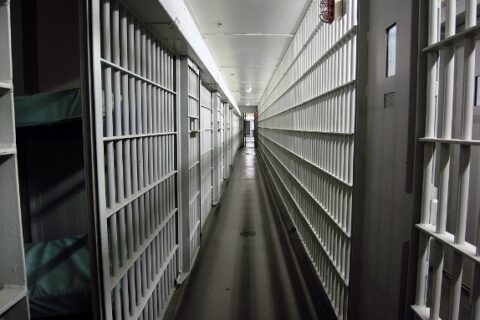
Immigration violations are civil, not criminal infractions. But for many non-criminal immigrant detainees living alongside criminal inmates at the Etowah County Detention Center in Alabama, that distinction carries little meaning. Far removed from families and legal orientation programs, many of the 350 immigrant detainees housed at the Etowah Detention Center have received deportation orders, but for various reasons cannot be deported. Many are serving the maximum allowable time in detention, and are doing so under poor living conditions at a great cost to American taxpayers. In fact, a recent report by the Women’s Refugee Commission reveals that ICE continues to operate facilities like Etowah that fail to meet even its own detention standards. Read More

Does the Punishment Fit the Crime? Experts Examine “Proportionality” and “Discretion” in Our Immigration System
As immigration becomes an ever more controversial part of the American debate, conversations often turn to details about legislation and court battles rather than questioning whether fundamental principles of justice are being applied throughout our immigration system. Two new reports released today, however, address some of these key principles, such as the idea of proportionality (whether the punishment fits the crime in immigration court) and the idea of discretion (how and when immigration law is applied). While these reports probe different areas of immigration law, they both represent a new way of thinking about how our immigration system functions, or at least should be functioning, today. Read More

Appellate Court Hears Arguments in Case Challenging DOMA, Bi-National Married Couples File New Suit
Same sex couples face often insurmountable hurdles when it comes to immigration status. Under the Defense of Marriage Act (“DOMA”), lesbian and gay U.S. citizens and lawful permanent residents are barred from obtaining immigrant visas for their spouses. When Congress enacted DOMA in 1996, no state celebrated marriages between gay and lesbian couples. But, the landscape has changed. Today, lesbian and gay couples in six states plus the District of Columbia have the freedom to marry under state law. This welcome progress, however, does not help the estimated 36,000 lesbian and gay bi-national couples living in the United States. Because DOMA prohibits immigration authorities from recognizing same sex marriages that are legal under state law, bi-national married couples continue to face potential separation. However, last week brought us closer to immigration equality for lesbian and gay couples. Read More

DHS Inspector General Issues Disappointing Reports on ICE’s Secure Communities Program
Keeping to its tradition of releasing controversial reports on holidays and Friday afternoons, the DHS Office of Inspector General issued two reports on the controversial Secure Communities program last Friday. These reports had been anticipated for months by immigrant advocates, law enforcement officials, local elected officials, and others who hoped they would address serious concerns about the program and issue a series of recommendations aimed at reforming it. Unfortunately, the reports were disappointing and failed to investigate many aspects of the flawed Secure Communities program. Read More
All gifts are matched dollar for dollar
No one should face the immigration system alone