Immigration Reform

President Obama’ Trip to Latin America Highlights Important Mutual Economic and Security Ties
President Obama spent three days last week traveling to Mexico as well as Costa Rica—his first second-term trip to Latin America. Mexico is the United States’ third largest trading partner, behind Canada and China, in terms of total goods, and the U.S. is Mexico’s largest trading partner. In addition, the largest share of immigrants who come to the U.S. are from Mexico. The President’s trip is a reminder of what an important partner Mexico, and much of Latin America, is to the U.S. Keeping these dynamics in mind is key particularly at a time when some in Congress want to spend more and more at the southern border in an attempt to seal the U.S. off completely from one of our largest economic partners. It’s no wonder then that the President used the trip to discuss both the economic and immigration ties between our nations. Read More

Immigration Activists Take to the Streets in May Day Rallies Around the Nation
Tens of thousands of people across the country—from New York to Vermont to California and Arizona—gathered at rallies and marches yesterday to demand immigration reform. Immigrants and advocates joined with labor groups, lawmakers, and other organizations for the May Day, also known as International Worker’s Day, demonstrations in dozens of cities. And their message was clear: Congress must pass immigration reform. Read More

Why There Are Not Enough STEM Workers in the U.S. Labor Market
Occasional research, such as a report released last week by the Economic Policy Institute, suggests the U.S. has a sufficient supply of science, technology, engineering, and mathematics (STEM) graduates and workers. However, these conclusions are at odds with a growing number of expert analyses that find the U.S. does in fact face significant challenges in meeting the growing needs of our expanding knowledge-based economy. Here is a sampling of the evidence: Read More
Why There Are Not Enough STEM Workers in the U.S. Labor Market
Occasional research, such as a report released last week by the Economic Policy Institute, suggests the U.S. has a sufficient supply of science, technology, engineering, and mathematics (STEM) graduates and workers. However, these conclusions are at odds with a growing number of expert analyses that find the U.S. does in fact face significant challenges in meeting the growing needs of our expanding knowledge-based economy. Here is a sampling of the evidence: Read More

Can We Afford Not to Include 11 Million People in Health Care Reform?
By Sonal Ambegaokar, Health Policy Attorney at the National Immigration Law Center. To date, policy discussions regarding immigrants and health care and other benefits primarily focus on negative stereotypes and myths. As a result, the default policy solution to any issue involving immigrants and benefits is to simply deny the benefits, even when the immigrants are in the U.S. lawfully. Yet this solution is counter-productive for three main reasons: first, it is not cost-effective; second, it fails to actually address the systemic failures in our national health care and immigration policies; and third, it legally sanctions the exclusion and ostracizing of immigrants as the “other.” Read More

High-Skilled Immigration and Entrepreneurship in the Senate’s Immigration Bill
On the road to reform, the Senate’s Border Security, Economic Opportunity, and Immigration Modernization Act contains several changes and new provisions for skilled immigration and entrepreneurship. Specifically, the bill provides balanced reforms to the H-1B nonimmigrant visa for high-skilled individuals, various provisions for highly skilled individuals through permanent employment-based immigration, and a new INVEST visa for entrepreneurs. Read More
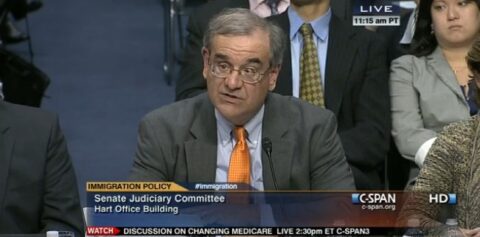
Nativists Trot Out Same Old Arguments at Hearing on Senate Immigration Reform Bill
With an immigration reform bill beginning to move through the Senate, one would expect a little originality from the nativists trying to stop it. After all, if “enforcement first” and “self-deportation” haven’t worked yet, perhaps it’s time to try something new. And yet the same dusty old arguments were on display among the nativists who testified at the Senate Judiciary Committee’s April 22 hearing on the Senate immigration reform bill: S.744, “The Border Security, Economic Opportunity, and Immigration Modernization Act.” It was as if they had put their fingers in their collective ears and refused to listen to what was going on around them. Read More

College and University Leaders Participate in the Immigration Reform Day of Action
America’s colleges and universities benefit greatly from immigration. Foreign-born students add diverse perspectives to the classroom, and they are disproportionately likely to pursue innovation-rich fields like science, technology, engineering and mathematics. Yet US immigration laws pose major challenges for our colleges and universities. Though our education system attracts the brightest… Read More
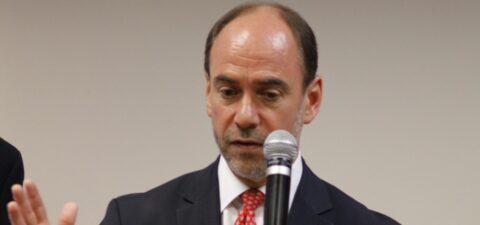
Former Bush Administration Official Explains Why Immigration Bill Is Good For The Economy
Following the introduction of the Senate immigration reform bill earlier this week, the Senate Judiciary Committee held its first hearing about the measure today. It gave the senators a chance to air their various complaints about the bill – that it does not protect LGBT couples or that the bill micro-manages the hiring process for foreign workers – but largely, committee members asked about the ways immigration reform will impact the U.S. economy, from the agriculture industry to high-skilled industries. Read More

Immigration Bill Praise Further Marginalizes Opponents
Now that the Senate’s “Gang of Eight” has officially introduced its immigration bill, the public, analysts, and newspaper editorial boards are all having a chance to weigh in about the sweeping overhaul of the nation’s broken immigration system. The reaction from many has been positive because, while it is not a perfect measure, the legislation makes huge strides toward creating a more workable immigration system, including a path to citizenship for the 11 million undocumented immigrants already in the U.S. The bill also allocates more funding to enhance border security and significantly rewrites the current visa system, carving out new opportunities, even as it may close some traditional immigration doors. Read More
All gifts are matched dollar for dollar
No one should face the immigration system alone