H-1B
H-1B Visa Cap Reached in Five Days
U.S. Citizenship and Immigration Services (USCIS) announced on Friday, April 5, just five days after the H-1B high-skill “visa race” began, that they had received more applications than could be approved under the cap of 65,000 for fiscal year 2014. Additionally, USCIS stated they had received more than 20,000 H-1B petitions on behalf of individuals who are exempt from the cap. As such, USCIS will no longer be accepting additional H-1B petitions for fiscal year 2014. At this point, USCIS will use a random selection “lottery” process to allocate the 65,000 visas from the applications received through April 5. Read More

Despite Governor’s Best Efforts, New Mexico Keeps Driver’s Licenses for the Undocumented
By Joan Friedland, Senior Advisor to the National Immigration Law Center. New Mexico Governor Susana Martinez has failed in her fourth attempt to persuade the New Mexico legislature to repeal the state’s driver’s license law. The law, in effect since 2003, provides access to driver’s licenses for eligible applicants, regardless of their immigration status. This year’s legislative session ended in New Mexico on March 16, after the House and Senate committees considered and rejected driver’s license restrictions. Read More

Supporting STEM Education Where It’s Most Needed
Geography is a topic often lost in national-level immigration policy and the ensuing conversations around comprehensive reform. We frequently hear statistics cited at the national level. However, all too often, data at the metropolitan and local level – where the challenges and opportunities of immigration policy play out – are overlooked in policy debates. Read More

Building Bipartisan Bridges in Congress for High-Skilled Immigration and Entrepreneurship
Tomorrow, the House of Representatives will hold a hearing to discuss, “Enhancing American Competitiveness through Skilled Immigration.” The hearing is likely to highlight both the bipartisan support for high-skilled immigration reform, and a series of new bills that would increase the supply of STEM visas. Read More

Can A Nation Have Too Many Smart People?
A February 8 op-ed in the New York Times entitled “America’s Genius Glut” argues that America already has too many high-tech workers, and thus does not need more scientists and engineers from abroad. It is a surprising claim that is at odds not only with the empirical evidence, but is out of touch with the dramatic shift in recent years towards a knowledge-based global economy. The United States is not actually suffering from a surplus of intelligent people, nor is it being economically drained by the presence of intelligent people who were born in other countries. In fact, the U.S. high-tech economy would not exist in its present form if not for the contributions of innovators and entrepreneurs from every corner of the globe. Despite arguments to the contrary, scientists and engineers who come to this country on H-1B visas are an integral part of that high-tech economy. Read More
House Republicans Show Uncertainty About Where the Party Stands On Immigration
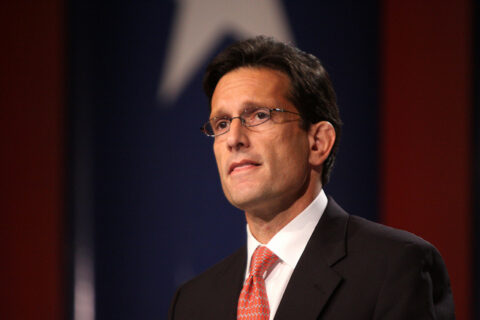
For six hours on Tuesday, the Republican-controlled House Judiciary Committee tried to come to terms with a new landscape on immigration reform and where House Republicans will fit into the picture. Despite attempts by committee leadership to paint an earned path to citizenship as an extreme option and questions about whether citizenship was even necessary, there were signs of common ground, signaling opportunities for breaking the logjam on immigration in the House. Read More

Lawsuit Uncovers USCIS’ Double Standards in H-1B Program
For the past several years, U.S. Citizenship and Immigration Services’ (USCIS) H-1B visa review and processing procedures have caused confusion and concern among U.S. businesses that turn to highly-skilled temporary foreign workers in specialty occupations to operate successfully. In newly-uncovered documents, it appears that instead of supporting small businesses that attempt to hire highly-skilled foreign workers, in many cases, USCIS discourages their success by subjecting them to a near presumption of fraud. Read More

Including DACA Recipients in Health Care Reform
By Jenny Rejeske, Health Policy Analyst National Immigration Law Center. The Obama administration’s decision to cut access to affordable health care for young people granted relief from deportation hurts everyone. This decision came weeks after the administration initiated the Deferred Action for Childhood Arrivals (DACA) policy, which lifts the cloud of deportation for immigrant youth who have grown up here. At the same time, the administration quietly issued policy changes excluding DACA recipients from federal health insurance programs, effectively shutting their door to affordable health care. Read More

New Brookings Report Examines Demand for H-1B High Skilled Worker Visas
Who uses H-1Bs and for what types of jobs is a topic of constant debate in Congress and in communities across the country. The Brookings Institute recently released a new report mapping H-1B workers in the U.S which addresses some of these questions and sheds new light on the topic. The H-1B program allows employers to hire foreign workers in specialty occupations for a temporary period of time. Currently, H-1Bs for for-profit employers are capped at 65,000 per year, with an additional 20,000 visas for workers with advanced degrees from U.S. universities. Research, non-profit, and government organizations can also request H-1B workers, and those visas are uncapped. Read More

Why the Next Einstein Can’t Get a Visa
By Shelby Pasell. Though Einstein may be a household name in the United States, he was not born here, and he would have a hard time obtaining a visa if he were alive today. In fact, inventors behind most patents in the U.S. were born outside of the country, according to a new report by the Partnership for a New American Economy, and most face huge difficulty in obtaining visas to stay. Read More
America's story is an immigrant story.