Tax Contributions
Do undocumented immigrants pay taxes?
Undocumented immigrants play a crucial role in the U.S. economy, not only through their labor but also through substantial tax contributions that support public services and government programs. In 2023, households led by undocumented immigrants paid $89.8B in total taxes. This includes:- $33.9B in state and local taxes and $55.8B in federal taxes.
- In 2023, approximately 4.9% of the U.S. workforce was undocumented.
- 89.4% of undocumented immigrants are of working age.
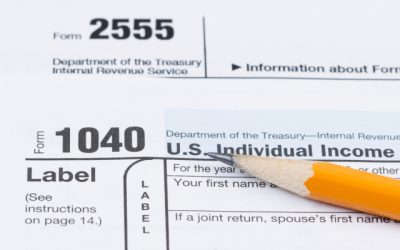
Targeting Immigrant Taxpayers as a Matter of Course
Unfortunately, there is a new fallback position for some members of Congress when it comes to finding ways to save money. That position is eliminating the Additional Child Tax Credit for immigrant taxpayers. This has been proposed in the past by other members of Congress; however, the latest iteration is in the form of an amendment that Senator Kelly Ayotte (R-NH) proposed to “pay for a three-month extension of unemployment benefits by stopping a scheme that currently allow {sic} illegal immigrants to claim the Additional Child Tax Credit.” Read More
New Estimates of State and Local Taxes Paid by Undocumented Immigrants
Undocumented immigrants who live and work in the United States pay billions of dollars in taxes every year to state and local governments. Given the chance to earn legal status, they would pay even more. Those are the simple yet powerful conclusions of a new study by the Institute on Taxation and Economic Policy (ITEP). According to ITEP, “undocumented immigrants paid an estimated total of $10.6 billion in state and local taxes in 2010.” Moreover, “allowing undocumented immigrants to work in the United States legally would increase their state and local tax contributions by an estimated $2 billion a year.” In short, legalization pays. Read More

Social Security Administration Says Immigration Reform Will Increase Tax Revenue, Boost Economy
Will the immigration reform bill create millions of jobs, boost GDP, and help balance the budget? A new report by the Social Security Administration says that it will, by putting undocumented immigrants on the tax rolls and allowing them to participate fully and legally in the U.S. economy. Read More

Fatally Flawed: FAIR Blames Immigrants and Children for Maryland’s Financial Problems
In a case of very creative accounting, the nativist Federation for American Immigration Reform (FAIR) is blaming immigrants and children for Maryland’s fiscal woes. In a new report, FAIR lumps together unauthorized K-12 immigrant students with U.S.-born students who have unauthorized parents and claims that they are all costing Maryland taxpayers astronomical sums in educational expenditures. However, the report, entitled The Cost of Illegal Immigration to Marylanders, suffers from several fatal flaws. Read More

Immigrant Tax Contributions and the Future of the U.S. Economy
When it comes to the topic of immigration, Tax Day is a reminder of two important and often-overlooked points. First, immigrants pay billions in taxes every year. This is true even of unauthorized immigrants. Second, the federal government spends billions of taxpayer dollars each year on immigration-enforcement measures that wouldn’t be necessary if not for the chronic inability of Congress to reform our badly outdated immigration system. In other words, there is a strong fiscal case to be made for immigration reform. Were the U.S. immigration system to be given a 21st century overhaul, we would likely increase the tax dollars flowing from the immigrant community, and we would spend far less taxpayer money on immigration enforcement. Read More
Unauthorized Immigrants Pay Taxes, Too
Estimates of the State and Local Taxes Paid by Unauthorized Immigrant Households Tax Day is an appropriate time to underscore the often-overlooked fact that unauthorized immigrants pay taxes. The unauthorized, like everyone else in the United States, pay sales taxes. They also pay property taxes—even if they rent. At least half of unauthorized immigrants pay income taxes. Add this all up and it amounts to billions in revenue to state and local governments. The Institute for Taxation and Economic Policy (ITEP) has estimated the state and local taxes paid in 2010 by households that are headed by unauthorized immigrants. These households may include members who are U.S. citizens or legal immigrants. Collectively, these households paid $11.2 billion in state and local taxes. That included $1.2 billion in personal income taxes, $1.6 billion in property taxes, and $8.4 billion in sales taxes. The states receiving the most tax revenue from households headed by unauthorized immigrants were California ($2.7 billion), Texas ($1.6 billion), Florida ($806.8 million), New York ($662.4 million), and Illinois ($499.2 million) {See Figure 1 and Table 1}. These figures should be kept in mind as politicians and commentators continue with the seemingly endless debate over what to do with unauthorized immigrants already living in the United States. In spite of the fact that they lack legal status, these immigrants—and their family members—are adding value to the U.S. economy; not only as taxpayers, but as workers, consumers, and entrepreneurs as well. Read More
The Facts About the Individual Taxpayer Identification Number (ITIN)
The Individual Taxpayer Identification Number (ITIN) is a tax-processing number issued by the Internal Revenue Service (IRS) to ensure that people—including undocumented immigrants—pay taxes. Read More
Serving the Under-Served: Banking for Undocumented Immigrants
In recent years, there has been a great deal of controversy over the efforts of some banks to offer financial services to individuals without Social Security numbers, many of whom are undocumented immigrants. More and more banks now allow people to open checking and savings accounts and to apply for credit cards and home mortgages using an Individual Taxpayer Identification Number (ITIN) issued by the Internal Revenue Service (IRS) or an identification card issued by a foreign consulate in the United States. In February of 2007, for instance, Bank of America announced a pilot program in Los Angeles offering credit cards to individuals who lack either a social security number or a credit history, provided that they have ITINs. Read More
Immigrants Pay their Fair Share
A recent study by the University of Florida shows that immigrants in Florida pay their fair share of taxes, and in some cases there are several immigrant groups that pay substantially higher taxes. Read More