Interior Enforcement

U.S. Citizen Children Impacted by Immigration Enforcement
Deportations of parents and family members have serious consequences that affect children and extend to communities and the country as a whole. Read More

Trump Administration’s Public Shaming Immigration Detainer Report Released
The immigration executive order on interior enforcement signed by the President in January instructed the Department of Homeland Security to release a weekly list of jurisdictions that declined immigration detainers. On March 20, the Trump administration released the first Declined Detainer Outcome Report (DDOR). This report and the documentation… Read More
Administration’s Public Shaming Immigration Detainer Report Released
The immigration executive order on interior enforcement signed by the President in January instructed the Department of Homeland Security to release a weekly list of jurisdictions that declined immigration detainers. On March 20, the Trump administration released the first Declined Detainer Outcome Report (DDOR). This report and… Read More
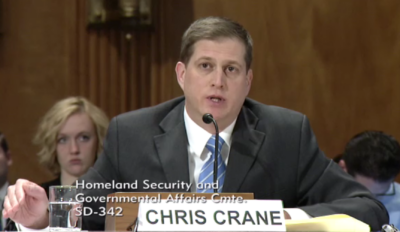
Homeland Security Unions Testify in Support of More Staff but Not a Border Wall
As part of the President’s immigration executive order on Border Security and Immigration Enforcement Improvements the Department of Homeland Security (DHS) was directed to hire 5,000 additional border patrol agents and 10,000 additional Immigration and Customs Enforcement (ICE) officers. With record numbers of ICE officers and Border Patrol… Read More
Challenges for Visa Waiver Program Overstays
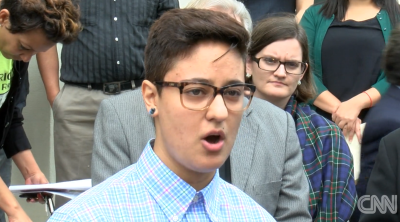
A young DACA recipient named Daniela Vargas was detained in Mississippi by Immigration and Customs Enforcement (ICE) after speaking out earlier this month about her fear of being deported under the Trump Administration’s immigration policies. Officials arrested Daniela immediately after she spoke at a press conference organized by the… Read More

President Seeks Billions of Taxpayer Dollars to Support Harsh Immigration Enforcement
President Trump released a preview of his Fiscal Year (FY) 2018 budget request this week, as well as a request for supplemental funds for this current year (FY 2017). These proposals would begin to fund a border wall and increase immigration detention and deportations. Both requests would also… Read More

This Immigration Enforcement Program Has a Troubled History, and Trump Wants to Restart It
Buried inside the interior enforcement Executive Order issued by President Trump in January are the Administration’s plans to revive the 287(g) program. This is concerning because the program has experienced intense criticism over the years, and efforts to ramp up this program should be viewed with extreme caution… Read More

“Sanctuary” Policies Protect Communities, Not Criminals
State by state “sanctuary” policies have received significant attention lately. Hundreds of communities across the nation have passed some version of a sanctuary policy and in doing so have made decisions about how they want to use their local resources. Yet the new administration, as well as others,… Read More
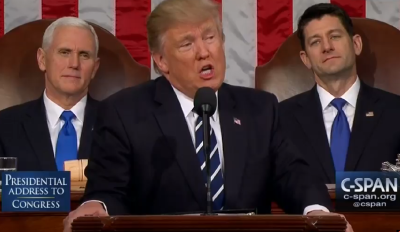
Trump’s Immigration Remarks at Joint Address, Debunked
This week, President Trump gave an address to a joint session of Congress where he continued his divisive, inaccurate rhetoric on immigration. Some analysts have said Trump moderated his tone in this speech, but in reality Trump isn’t shifting from his hard-line immigration policies. In his speech,… Read More

Taxpayers Foot the Bill for Trump’s Immigration Detention Expansion
The executive orders on immigration enforcement, both along the border and in the interior of the U.S., call for a significant increase in immigration detention. This means more noncitizens in detention, more taxpayer money being spent on detention, and more profits for private prison companies–but less due process… Read More
America's story is an immigrant story.