Immigration Benefits and Relief
The immigration laws and regulations provide some avenues to apply for lawful status from within the U.S. or to seek relief from deportation. The eligibility requirements for these benefits and relief can be stringent, and the immigration agencies often adopt overly restrictive interpretations of the requirements. Learn about advocacy and litigation that has been and can be undertaken to ensure that noncitizens have a fair chance to apply for the benefits and relief for which they are eligible. Providing avenues for legal status, protection, and family reunification is vital to ensuring humanitarian protection for immigrants. We are leading policy changes that open more opportunities like asylum, visas for victims of crime or human trafficking, and relief for long-term residents. Explore the resources below to learn more.

How Deportations Devastate Families and Communities
It goes without saying that unauthorized immigrants live in constant fear of deportation. After all, any chance encounter with U.S. immigration officials can leave an unauthorized immigrant behind bars and in removal proceedings. Less obvious, perhaps, is the impact that deportations have on families and communities. A mother can be left to provide for the family alone when the father is deported. U.S.-born children can wind up in foster care when their parents are deported. And the more frequently such deportations occur, the greater is the pall of fear which hangs over entire immigrant communities. Read More

Deferred Action for Childhood Arrivals: A Q&A Guide
Here's what you need to know about the “Deferred Action for Childhood Arrivals” (DACA) initiative, including eligibility requirements and important information on process and timing. Read More

Sore Loser, Jan Brewer, Continues Anti-Immigrant Crusade
Despite losing both the legal and public relations battles in the fight over SB 1070, Arizona’s Governor Jan Brewer was anxious to put Arizona back in the spotlight this week. Although she can’t prevent people from requesting or receiving deferred action, she issued an executive order that attempts to prevent Arizona recipients of Deferred Action for Childhood Arrivals (DACA) from obtaining driver’s licenses in her state. The order, which also banned access to public benefits (something DACA recipients are ineligible for, anyway) has been characterized as mean-spirited and belligerent, but it is also just wrong on the facts Read More

Busting Myths About Deferred Action
Beginning today, undocumented immigrants brought to the country as children may officially submit requests for deferred action, a form of prosecutorial discretion that protects recipients from deportation and allows them to work legally in the United States for up to two years. As might be expected, numerous inaccuracies have surfaced in media coverage and other commentary about the initiative, known formally as Deferred Action for Childhood Arrivals (DACA). Below, we address common falsehoods about deferred action in general and the Obama administration’s initiative in particular. Read More

BREAKING: Deferred Action Request Forms Now Available Online
Earlier this afternoon, the Obama administration officially released the forms to request deferred action that may be filed by undocumented immigrants who arrived in the country as children and meet various other requirements. Beginning tomorrow, August 15, applicants may mail their requests to specified facilities maintained by U.S. Citizenship and Immigration Services (USCIS), an agency within the Department of Homeland Security (DHS). While many questions about the initiative remain to be answered, the basic filing requirements are now clear. Read More
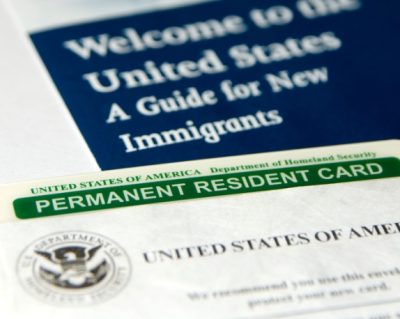
Why Deferred Action is Not Amnesty
Long before President Obama announced his plan on deferred action for childhood arrivals, immigration restrictionists were arguing that any exercise of prosecutorial discretion benefitting undocumented immigrants was equivalent to “amnesty.” Consequently, it’s no surprise that one of the biggest myths supporters of the program have had to address is that deferred action is a type of amnesty. Read More
DHS Announces Application Process for Deferred Action, IPC Provides Data on Where Eligible Individuals Reside
Washington D.C. – Today, U.S. Citizenship and Immigration Services (USCIS) released important details about the Deferred Action for Childhood Arrivals (DACA) process, which will temporarily allow some eligible youth to go to school and work without fear of deportation. A recent Immigration Policy Center (IPC) report,Who and… Read More
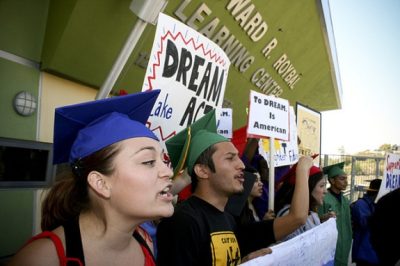
How Should Obama Administration Proceed with Deferred Action Program?
In a June 15th memo announcing deferred action for immigrant youth, DHS Secretary Janet Napolitano gave USCIS 60 days to come up with a process that will allow these young people to affirmatively apply for the chance to work, study, and live in the U.S. without fear of deportation. To be sure, USCIS staff and their counterparts at ICE, CBP, and DHS, have been entrusted with a difficult job—one that requires balancing legal and practical implementation issues against high expectations and years of built up frustration over the lack of immigration reform. But the real challenge is acknowledging that every single decision they make about the program has the chance to make it harder or easier for young people to realize their dreams. Read More
Economic Benefits of Granting Deferred Action to Unauthorized Immigrants Brought to U.S. as Youth
There are an estimated 1.4 million children and young adults in the United States who might benefit from President Obama’s announcement that the Department of Homeland Security would begin granting deferred action (and Employment Authorization Documents) to unauthorized immigrants who were brought to the United States as minors. For many of these young people, the United States is the only home they know and English is their first language. Each year, tens of thousands of them graduate from primary or secondary school, often at the top of their classes. They have the potential to be future doctors, nurses, teachers, and entrepreneurs, but their lack of legal status has prevented them from attending college or working legally. The President’s deferred action initiative will provide an opportunity for them to live up to their full potential and, in the process, make greater contributions to the U.S. economy. Read More
Dream Come True: Obama Administration Announces Relief for DREAMers
Washington. D.C. – The American Immigration Council applauds today’s announcement by the Obama administration that it will grant deferred action to undocumented youth who were brought to the United States as small children and who have been raised and educated in communities around the country. Today’s announcement builds on the… Read More
America's story is an immigrant story.