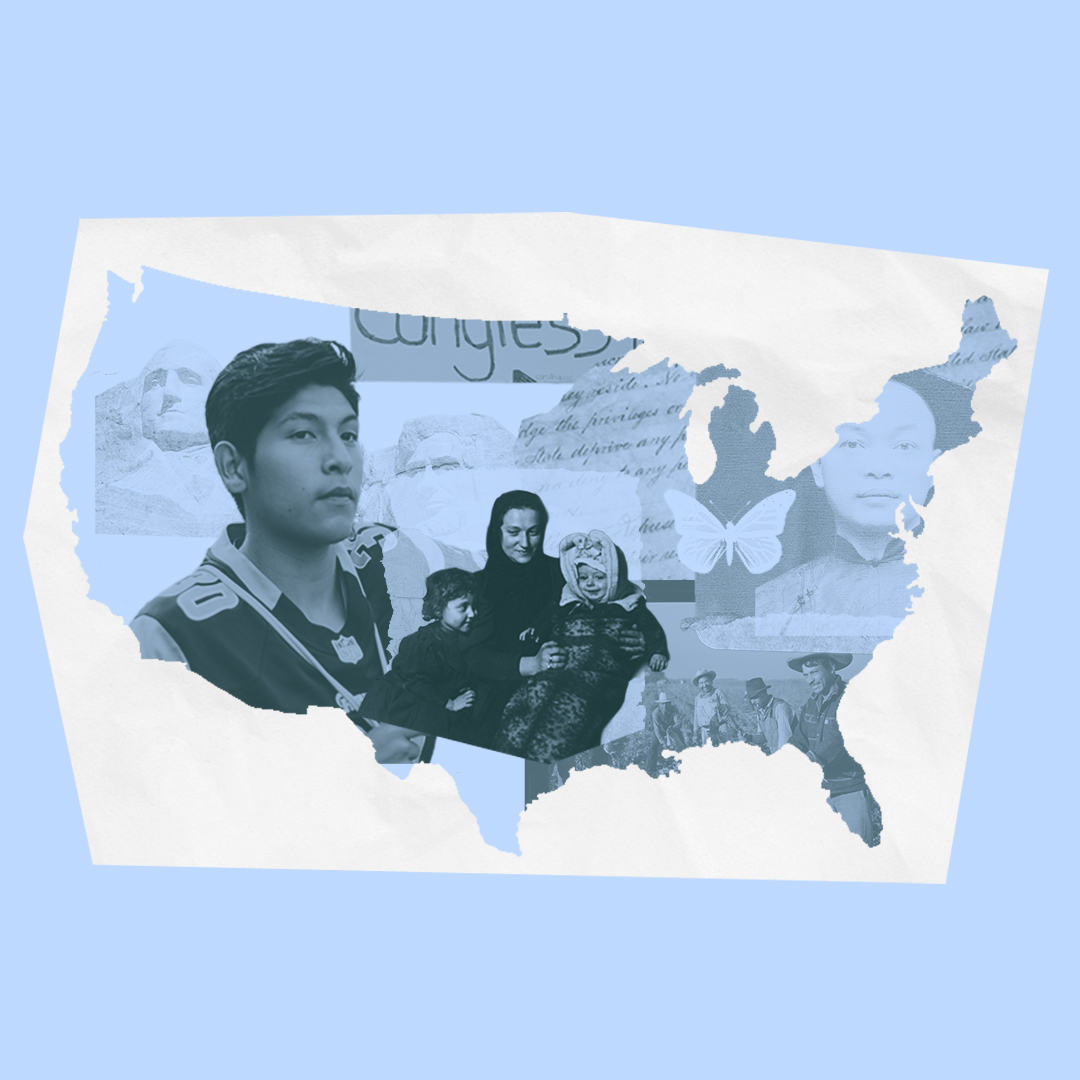
Immigration 101
Immigration in the United States is complex and ever-evolving. Start here to understand the fundamental aspects of immigration policy, its history, and its impact on both individuals and the country at large. Learn commonly used terms about immigration law and how the U.S. immigration system is designed. Explore layered topics like how and whether immigrants can become citizens, as well as what individual protections look like under the law.
How the United States Immigration System Works
- How the Immigration System Works
- June 24, 2024
U.S. immigration law is very complex, and there is much confusion as to how it works. This fact sheet provides basic information…
Read More
Birthright Citizenship in the United States
- Birthright Citizenship
- September 8, 2026
This fact sheet explains birthright citizenship, the Fourteenth Amendment, and its interpretations. Who is…
Read More
Asylum in the United States
- Asylum
- August 27, 2014
Asylum seekers must navigate a difficult and complex process that can involve multiple government…
Read More

Including LGBT Immigrants in Immigration Reform Helps Protect Vulnerable Individuals
Roughly 11 million unauthorized immigrants live in the United States, and their backgrounds and stories are incredibly diverse. DREAM activists helped to change the picture of the 11 million by shining light on young people affected by our broken immigration system, while grassroots movements are highlighting the stories of families. But a new report from the Williams Institute adds another facet to this picture: an estimated 267,000 undocumented adults identify as LGBT. Even more compelling, the report highlights the other struggles LGBT individuals face when dealing with the legal immigration system. Read More
Cato Report Finds Poor Immigrants Use Fewer Public Benefits than Natives
Among the most contentious debates surrounding national immigration reform concerns immigrant use of welfare programs. Opponents of immigration routinely assert low-skilled immigrants consume more public resources than natives, thereby imposing an unfair fiscal burden on U.S. taxpayers. Read More

Congressional Hearing Illustrates Nativist Manipulation of “Border Security”
The concept of “border security” is inherently ambiguous. After all, we live in a world where no international border can be completely sealed. The risk that a bad guy will come across the border—by land, sea, or air—can never be reduced to zero, no matter how much money or manpower is funneled into border-security operations. As a result, it is easy for political opportunists to use the notion of “border security” as a smoke screen behind which to advance their own agendas. In the context of the debate over immigration reform, the quest for ever-increasing levels of border security is used as an excuse to oppose any meaningful changes to a dysfunctional immigration system which itself undermines security by its failure to operate fairly or efficiently. This is an irony which is apparently lost on those nativist politicians and activists for whom no level of border enforcement will ever be viewed as sufficient to justify immigration reform. Read More

How Budget Cuts From Sequestration Will Affect The Nation’s Immigration System
The U.S.’s immigration system, already burdened by application processing backlogs and insufficient funding for immigration courts, could become even more unwieldy if the government must slash its budget on March 1. Sequestration – a package of across-the-board government spending cuts totaling $85 billion this year and $1.2 trillion over the next decade – likely will go into effect on Friday unless Congress and President Obama manage to reach a deal. Currently, there are no reports of ongoing negotiations to avert the automatic cuts, so when the cuts kick in, all aspects of the immigration system – from visas to deportations – would be impacted. Read More

SCOTUS Narrows Protections For Noncitizens Who Received Poor Legal Advice
Almost three years ago, in the landmark decision Padilla v. Kentucky, the Supreme Court acknowledged the severity of deportation and that our current immigration laws make “removal nearly an automatic result” for many noncitizens convicted of crimes. Consequently, the Court held that a criminal defense attorney must advise noncitizen clients about the risks of deportation if they accept a plea bargain. If the defense attorney fails to provide this advice, the noncitizen can seek to have the conviction set aside. Such recourse brings integrity to the criminal justice and immigration systems and ensures that immigrants who reasonably rely on advice from their lawyers are not unfairly held accountable for their lawyers’ mistakes. Read More

Survey: Asian Americans Concerned with Legalization, Family Backlogs
In the current debate, immigration is often depicted as a Latino issue. This is partially because just over half of America’s foreign-born population is from Latin America and the Caribbean, and the current political climate around immigration is largely seen as being driven by Latino turnout for Democrats in the 2012 election. But this depiction glosses over the millions of immigrants – documented and undocumented – who hail from other parts of the globe. Read More
Nativists Fail to Grasp Economics of Immigration Reform
This week, the New York Times gave voice to the nativist argument that legalizing unauthorized immigrants would drain the federal budget because newly legalized immigrants will start using public benefits. However, this flawed fiscal accounting overlooks the myriad ways in which immigrants, just like the native-born, contribute to the U.S. economy over the course of their adult lives. As workers, they add value to the economy through their labor. As taxpayers, they fund government services and programs at the federal, state, and local levels. As consumers, immigrants purchase goods and services from U.S. companies, big and small, sustaining U.S. jobs in the process. And, as entrepreneurs, many immigrants create jobs through the businesses they establish. In other words, the economic contributions of any person, immigrant or native-born, come in many forms and span a lifetime. Read More

Politicians Invent Doomsday Predictions About Immigration Reform
Nativists are rarely encumbered by facts. By its very nature, nativist rhetoric is based on stereotype and mythology, not empirical evidence. Regrettably, some of our elected leaders in the House of Representatives and the Senate have embraced the mirage of nativism as they embark on a crusade to derail any meaningful reform of the U.S. immigration system. More precisely, anti-reform politicians have been issuing doomsday predictions about what will happen to the nation if a legalization program is created for unauthorized immigrants already living in the United States. It comes as little surprise that these predictions have no basis in reality. Read More
Why Should We Support a Legalization Program for Unauthorized Immigrants?
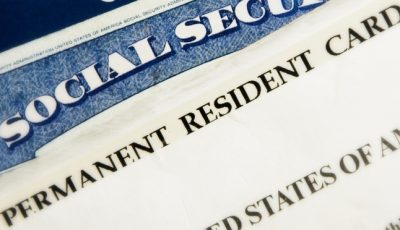
As the immigration debate heats up in Congress, the central question for much of the American public will be whether or not to create a pathway to legal status for the 11 million unauthorized immigrants now living in the United States. In formulating an answer to that question, however, it is necessary to ask two others. First, exactly who are the unauthorized immigrants who would be attaining legal status? Secondly, what would the impact be on the U.S. economy were so many unauthorized immigrants to be legalized? The answer to the first question is relatively simple: unauthorized immigrants are just like everybody else; they are adults and children, mothers and fathers, homeowners and churchgoers. The short answer to the second question is that legalization would be a stimulus to the U.S. economy. Workers with legal status earn higher wages, and these extra earnings generate more tax revenue for federal, state, and local governments, as well as more consumer spending, which sustains more jobs in U.S. businesses. Read More
Legalize Who?: A Portrait of the 11 Million Unauthorized Immigrants in the United States
As the immigration debate heats up in Congress, the central question will be what to do about the 11 million unauthorized immigrants now living and working in the United States. The media often portrays this population as barely literate young men who pour over the southern border and live solitary lives, rather than providing a nuanced understanding of who the 11 million really are: adults and children, mothers and fathers, homeowners and churchgoers who are invested in their communities. This fact sheet attempts to provide a basic understanding of who the unauthorized are as people: where they live, where they’re from, how long they have been here, and what family and community ties to the United States they have. Data from the U.S. Census Bureau and other sources provide this very necessary social context to the immigration debate. And what the data reveal are that most of the unauthorized have been here for over a decade. While they are concentrated in California, Texas, Florida, and New York, there are sizeable unauthorized populations in other states across the country. Three-fifths of unauthorized immigrants come from Mexico, but significant numbers also come from Central America and the Philippines. Nearly half of all adult unauthorized immigrants have children under the age of 18, and roughly 4.5 million native-born U.S.-citizen children have at least one unauthorized immigrant parent. More than half of unauthorized immigrant adults have a high-school diploma or more education. Nearly half of longtime unauthorized households are homeowners. And approximately two-fifths of unauthorized immigrant adults attend religious services every week. In other words, most unauthorized immigrants are already integrating into U.S. society not only through their jobs, but through their families and communities as well. Read More
America's story is an immigrant story.