Immigration 101
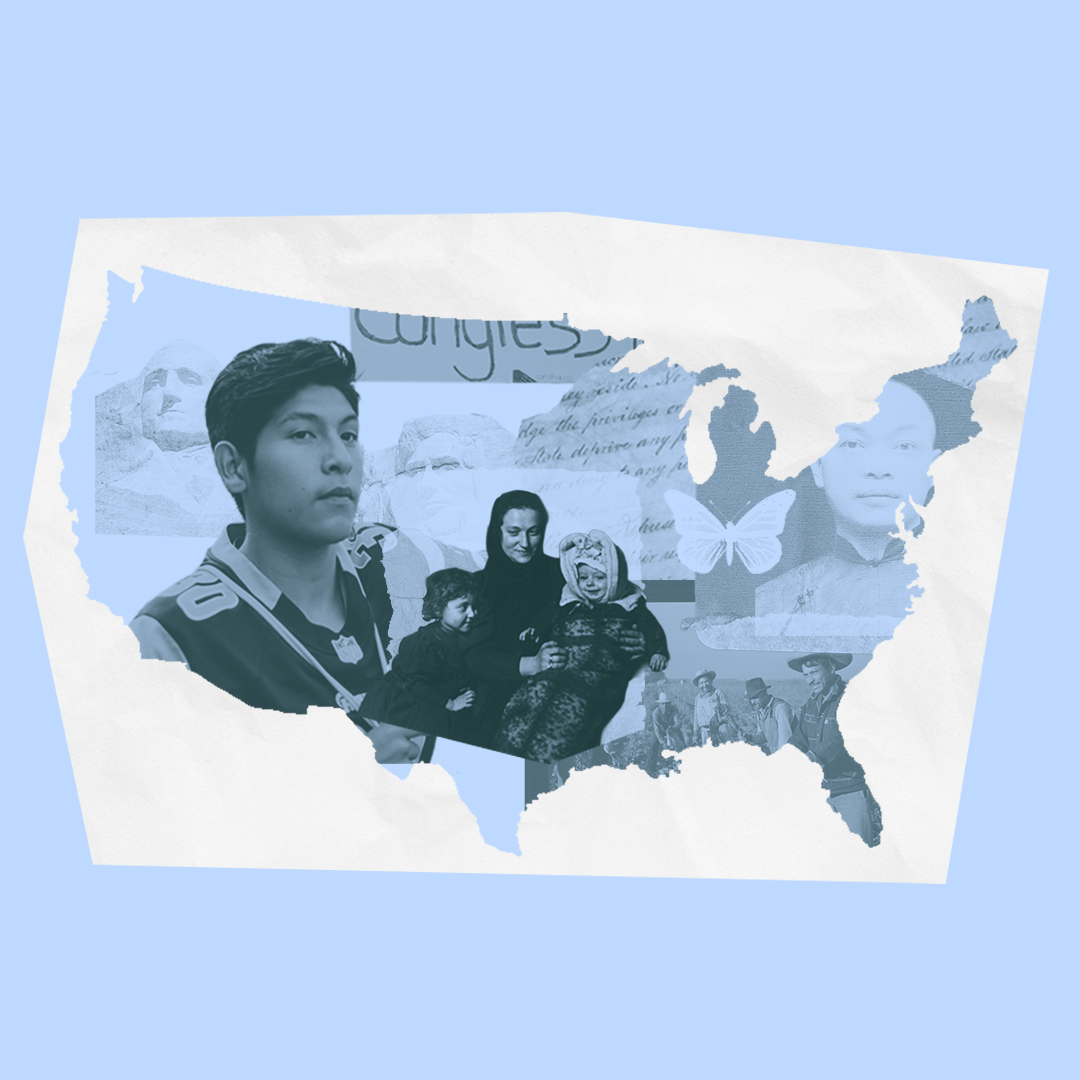
Immigration in the United States is complex and ever-evolving. Start here to understand the fundamental aspects of immigration policy, its history, and its impact on both individuals and the country at large. Learn commonly used terms about immigration law and how the U.S. immigration system is designed. Explore layered topics like how and whether immigrants can become citizens, as well as what individual protections look like under the law.

How the United States Immigration System Works
- How the Immigration System Works
- June 24, 2024
U.S. immigration law is very complex, and there is much confusion as to how it works. This fact sheet provides basic information…
Read More
Birthright Citizenship in the United States
- Birthright Citizenship
- September 8, 2026
This fact sheet explains birthright citizenship, the Fourteenth Amendment, and its interpretations. Who is…
Read More
Asylum in the United States
- Asylum
- August 27, 2014
Asylum seekers must navigate a difficult and complex process that can involve multiple government…
Read More
Unequal Access: Immigrants and U.S. Health Care
By Sarita A. Mohanty, M.D., M.P.H.Despite the important role that immigrants play in the U.S. economy, they disproportionately lack health insurance and receive fewer health services than native-born Americans. Some policymakers have called for limits on immigrants’ access to health insurance, particularly Medicaid, which are even more stringent than those already in place. However, policies that restrict immigrants’ access to some health care services lead to the inefficient and costly use of other services (such as emergency room care) and negatively impact public health. The future economic success of the United States depends on a healthy workforce. Therefore, policies must be devised that improve, rather than restrict, immigrants’ access to quality health care. Read More
Learning from IRCA: Lessons for Comprehensive Immigration Reform
If the current political stalemate over immigration reform is any indication, many U.S. policymakers have yet to heed the lessons of recent history when it comes to formulating a realistic strategy to control undocumented immigration. In 1986, lawmakers passed the Immigration Reform and Control Act (IRCA) in an attempt to reign in undocumented immigration through heightened worksite and border enforcement, combined with legalization of most undocumented immigrants already in the country. Read More
More Than a Temporary Fix: The Role of Permanent Immigration in Comprehensive Reform
The immigration debate once again is dominated by narrow thinking and the search for simplistic solutions to complex problems. Most lawmakers and the press have come to equate “immigration reform” with the question of whether or not enhanced immigration enforcement should be coupled with a new guest worker program that is more responsive than current immigration policies to the labor needs of the U.S. economy. All but lost in this debate have been the calls by prominent immigration reform advocates to improve and expand pathways for permanent immigration as well. Read More
A Lifeline to Renewal: The Demographic Impact of Immigration at State and Local Levels
Immigrant numbers should be taken in the context of native population growth or decline to better understand the impact of immigration. Read More
From Refugees to Americans: Thirty Years of Vietnamese Immigration to the United States
Thirty years after the fall of the Saigon government, Vietnamese Americans celebrate the fact that they have moved far beyond their refugee origins and become successful economic and political players in U.S. society. Read More
Ties that Bind: Immigration Reform Should be Tailored to Families, Not Just Individuals
Given the extent to which undocumented immigrants already living in the United States are part of U.S.-based families, comprehensive immigration reform must include more than just a new temporary worker program. Read More
Diversity and Transformation: African Americans and African Immigration to the United States
Successive generations of African immigration have continuously transformed the African American community and the sociopolitical climate of the United States. Read More
Remembering December 17: Repeal of the 1882 Chinese Exclusion Act
December 17 marks the anniversary of the 1943 repeal by Congress of the Chinese Exclusion Act of May 6, 1882. With only a few exceptions, this law barred any Chinese from immigrating to the United States, and was the first time U.S. immigration policy singled out citizens of a particular nation for wholesale discrimination. Read More
The McCarran-Walter Act: A Contradictory Legacy on Race, Quotas, and Ideology
The McCarran-Walter Act of 1952 ended the blanket exclusion of immigrants based on race and created the foundation for current immigration law, but imposed a racialized immigration quota system and new ideological grounds for exclusion. Read More
“Eating Bitterness”: The Impact of Asian-Pacific Migration on U.S. Immigration Policy
Asian-Pacific migration to the United States has had a positive impact on immigration and refugee law by contributing to the demise of exclusion acts against non-whites and of the nationality-based quota system. ( Read More
America's story is an immigrant story.