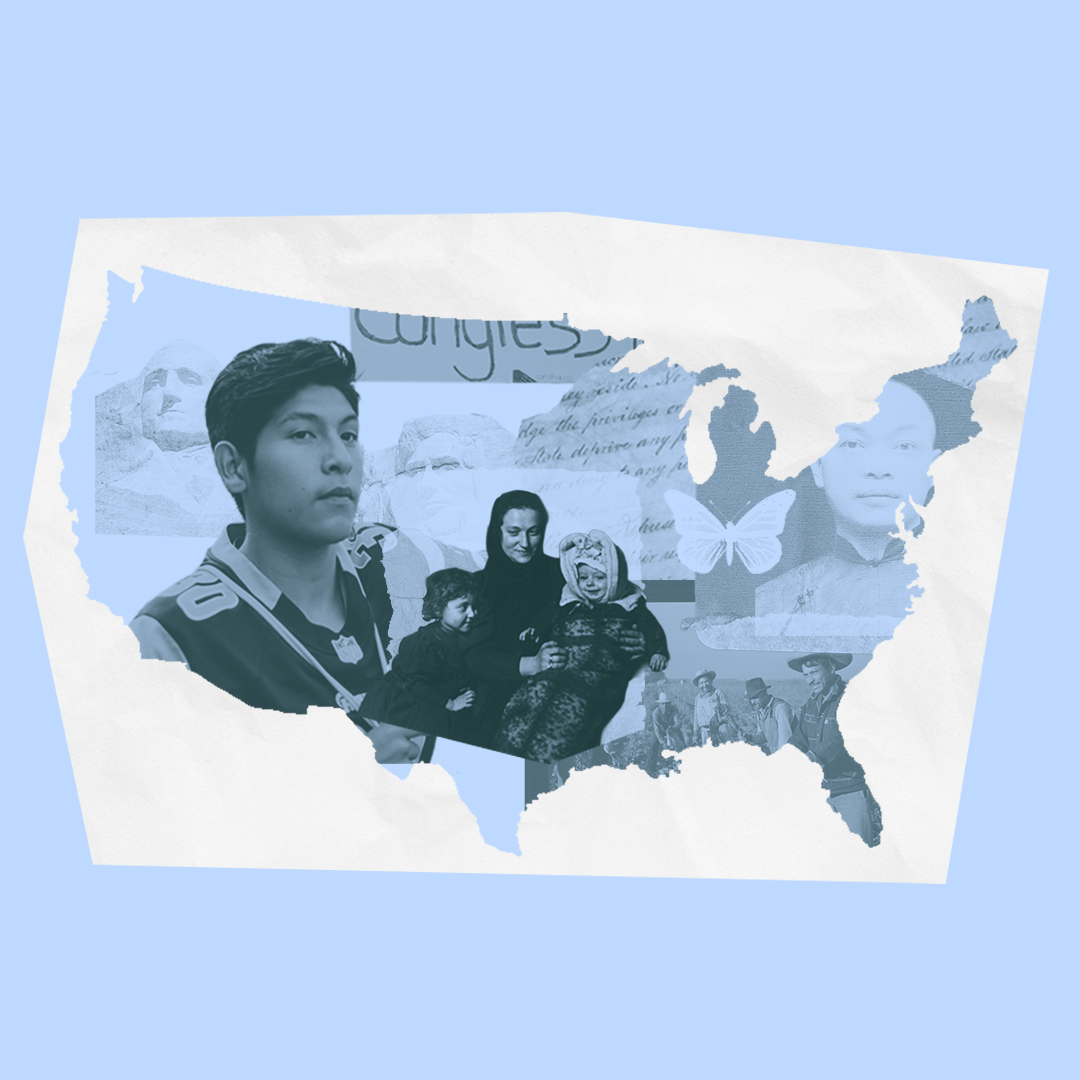
How the Immigration System Works
The U.S. immigration system operates under an intricate set of rules that outline who can enter, reside in, and become a citizen of the United States. It includes various pathways like family-based immigration, employment visas, and refugee and asylum status, each with its own criteria and application processes. Several federal agencies, including the Department of Homeland Security and the State Department, oversee the system and enforce immigration laws and policies, handle applications, and manage border control. Learn more by exploring the resources below.
How the United States Immigration System Works
- How the Immigration System Works
- June 24, 2024
U.S. immigration law is very complex, and there is much confusion as to how it works. This fact sheet provides basic information…
Read More
New Public Charge Rule Guts Legal Immigration Eligibility
The Department of Homeland Security announced a new regulation that redefines who can be considered a “public charge” under immigration law. The new regulation will likely have a chilling effect on America’s family-based immigration system, drastically limiting who will be permitted into the United States. Read More
Statement for the House Judiciary Committee, Subcommittee on Immigration and Citizenship Hearing “Policy Changes and Processing Delays at U.S. Citizenship and Immigration Services.”
The statement highlights the Council’s concerns regarding systemic U.S. Citizenship and Immigration Services delays in responding to Freedom of Information Act (FOIA) requests. Read More
USCIS Processing Delays to be Investigated by Government Accountability Office
Applications for permanent residence and other immigration benefits are taking longer than ever to process. U.S. Citizenship and Immigration Services (USCIS), the agency responsible for adjudicating these applications, has a backlog at “crisis levels.” While USCIS processing delays have increasingly been a problem, the backlog is reaching new highs… Read More
Statement for the House Judiciary Committee, Subcommittee on Immigration and Border Security on “Another Surge of Illegal Immigrants Along the Southwest Border: Is this the Obama Administration’s New Normal?”
The statement shares our analysis and research regarding the children and families that have fled Central American violence to the United States. Read More
Statement for the Senate Judiciary Committee on “Oversight of the Administration’s Misdirected Immigration Enforcement Policies: Examining the Impact on Public Safety and Honoring the Victims”
The statement highlights that immigrants are less likely to be serious criminals than the native-born and that high rates of immigration are associated with lower rates of violent crimes and property crimes. Read More
Statement for the Senate Homeland and Security and Governmental Affairs Committee on “The 2014 Humanitarian Crisis at our Border: A Review of the Government’s Response to Unaccompanied Minors One Year Later”
The statement highlights our revised report, A Guide to Children Arriving at the Border: Laws, Policies and Responses (June 2015), which explains why children are fleeing their homes in Central America, what happens to the children once they are in U.S. custody, and what the government has done in response. Read More
Statement for the Senate Homeland Security and Governmental Affairs Committee on “Ongoing Migration from Central America: An Examination of FY2015 Apprehensions”
The statement shares our research and analysis regarding the children and families that have fled Central American violence to the United States. Read More

America's story is an immigrant story.