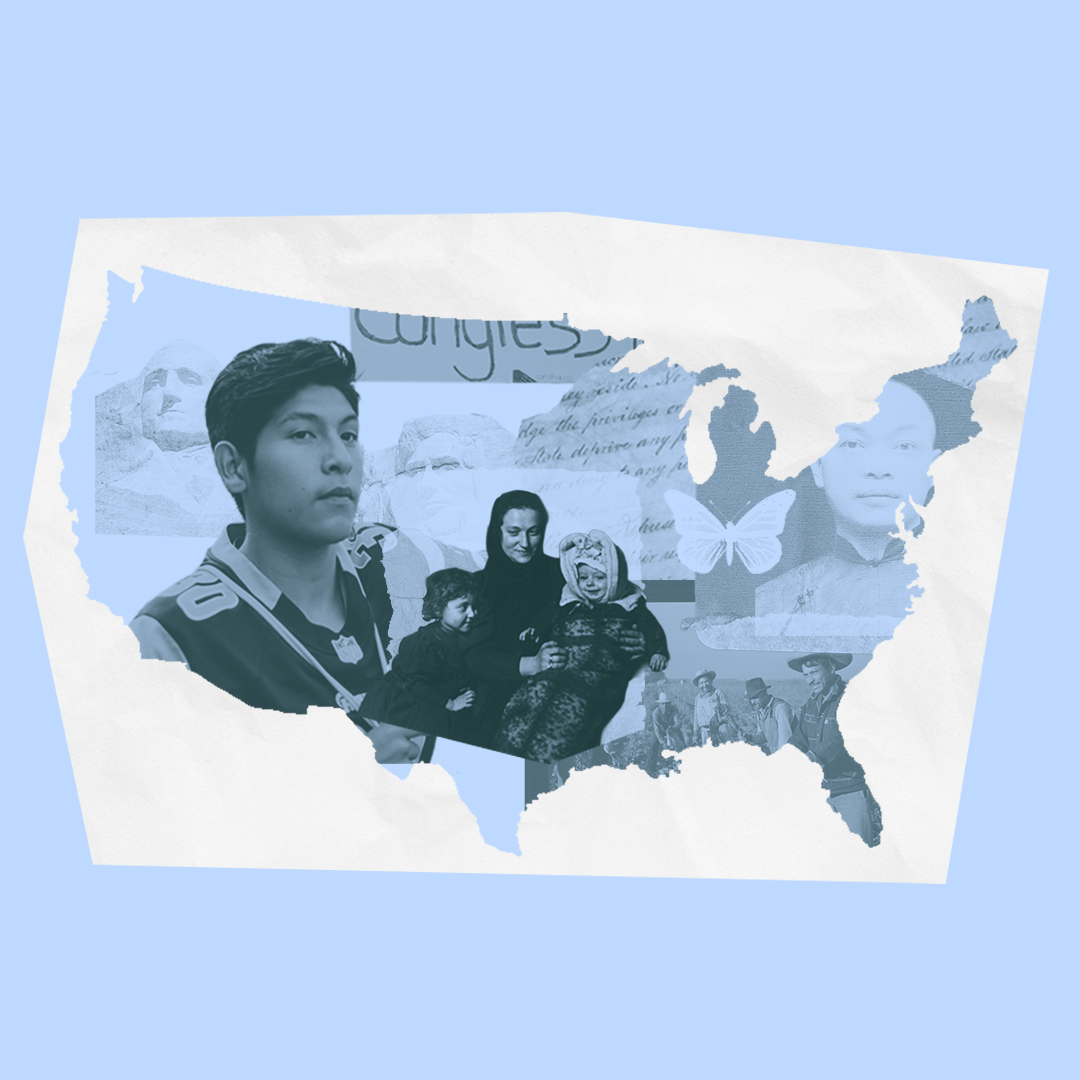
History of Immigration
Immigration policies, laws, and attitudes toward immigrants have evolved in the U.S. Our system has continued to adapt over time, responding to changing global dynamics, economic needs, and political pressure. By learning from our immigrant past, we can apply the lessons learned to help shape how we treat immigration and immigrants in the future.
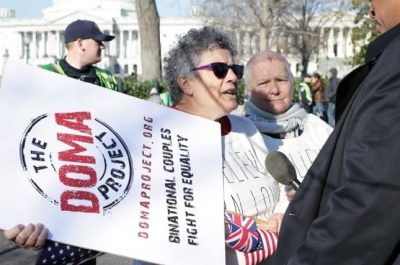
USCIS Approves First Green Cards for Same Sex Couples
On June 26, the Supreme Court issued its decision in the case of United States v. Windsor, in which it struck down section 3 of the Defense of Marriage Act (DOMA), which defined marriage as between a man and a woman for all federal laws. This law meant that the immigration agencies would not recognize lawful, same-sex marriages for any immigration purpose. Since the Court’s decision, the Obama administration has moved rapidly to allow U.S. citizens to petition for immigration benefits for their spouses, providing hope to an estimated 28,500 bi-national same-sex couples in the United States who might otherwise be separated by our immigration laws. Read More
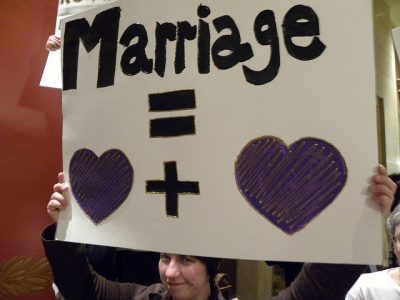
Supreme Court Strikes Down DOMA, Affirms Immigration Rights of Gay and Lesbian Couples
Today, the Supreme Court issued its decision in the case United States v. Windsor, striking down section 3 of the Defense of Marriage Act, or DOMA, on the basis that it violated equal protection under the due process clause of the 5th Amendment. DOMA established an exclusively heterosexual definition of “marriage,” and denied same-sex couples any federal benefits, including immigration benefits. This is a historic day for gay and lesbian marriage rights, as DOMA disqualified same-sex couples from over a thousand federal benefits, and made same-sex couples in committed relationships second-class citizens in the eyes of the federal government. Read More
Crafting a Successful Legalization Program: Lessons From the Past
One of the themes that emerged from the Senate Judiciary Committee mark up of the 2013 Senate immigration bill was the necessity of avoiding the mistakes of the past. In the context of legalization for the 11 million unauthorized immigrants now in the United States, the argument is often made that the 1986 law wasn’t tough enough, and any new legalization program should have more requirements and restrictions. However, in my 39-year career with the Department of Homeland Security (DHS) and former Immigration and Naturalization Service (INS), and after years of studying implementation of the 1986 law, I’ve reached a different conclusion. A successful legalization program depends on simplicity and common sense. There are many lessons to be learned from the 1986 law about how to design a better legalization program. Fortunately, many of those lessons have been absorbed by the drafters of S. 744, the Border Security, Economic Opportunity and Immigration Modernization Act. Nonetheless, as the debate continues on this bill, it is important to reiterate the importance of good design and thoughtful implementation. That is what will ensure success and provide the country with a working immigration system. Read More
Passport Pages Tell Our Tale
Today in the United States, Lesbian, Gay, Bisexual, and Transgender (LGBT) Americans who fall in love with and marry foreign nationals are being asked to choose between country and spouse, country and career, and country and family. I know this because I have spent the last several years in a battle with my own government to recognize my wife for immigration purposes. Trying to keep my marriage to a British national together has cost me my career and a full pension, time away from my American family and friends, as well as a great deal of stress over finances and my future. Gay Americans who are legally married in the U.S. have a marriage that is not recognized by the federal government. Therefore, the 28,500 same-sex binational couples in America, in which one spouse is an American citizen, are in a situation where they cannot sponsor their husbands and wives for immigration purposes. This also means they do not receive the 1,138 federal rights, benefits, protections, and obligations that automatically come with marriage and serve to protect and support families. Read More
Immigration Reform is an LGBT Issue
By Victoria Neilson, Legal Director, Immigration Equality. This week the U.S. Supreme Court is hearing oral arguments in two cases, Hollingsworth v. Perry and United States v. Windsor, that will forever change the course of the struggle for lesbian, gay, bisexual, and transgender (LGBT) equality. While we are hopeful that the Court will strike down the Defense of Marriage Act (DOMA) thereby clearing the way for the federal government, including U.S. Citizenship and Immigration Services and the Department of State, to honor our marriages, no one can predict with any certainty what the Court will do. Read More

How the Supreme Court Decision on DOMA Will Impact Immigration Law
Family unity is one of the driving forces in our immigration system. United States citizens and lawful permanent residents can obtain immigrant visas for their spouses. Many foreign nationals who come to the United States on employment-based visas bring their spouses and children with them. And some waivers and forms of relief from removal are available only to those with close relatives living in the United States. Read More

Including LGBT Immigrants in Immigration Reform Helps Protect Vulnerable Individuals
Roughly 11 million unauthorized immigrants live in the United States, and their backgrounds and stories are incredibly diverse. DREAM activists helped to change the picture of the 11 million by shining light on young people affected by our broken immigration system, while grassroots movements are highlighting the stories of families. But a new report from the Williams Institute adds another facet to this picture: an estimated 267,000 undocumented adults identify as LGBT. Even more compelling, the report highlights the other struggles LGBT individuals face when dealing with the legal immigration system. Read More
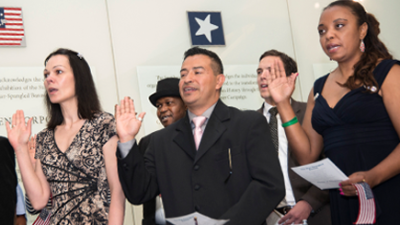
Back to the Future: The Impact of Legalization Then and Now
While there are many facets to an intelligent immigration reform package, one thing is clear: legalization for undocumented immigrants helps all of us. Most economists recognize that legalization has worked in the past. After a significant percentage of the undocumented population legalized under the Immigration Reform and Control Act of 1986 (IRCA), information on IRCA applicants was used to assess the legislation’s impact. My own research has shown that IRCA provided immediate direct benefits by successfully turning formerly clandestine workers into higher-paid employees. Other researchers have shown that IRCA provided unexpected indirect benefits to the communities where legalized immigrants resided. After legalization, fewer of these immigrants sent money back to their home countries, and those who sent back money sent back less. More of their earnings were spent in their communities in the United States. Research also showed that the legalized population became participating community members—nearly two out of five people who legalized under IRCA were U.S. citizens by 2001. What we learned from IRCA gives us a bird’s eye view into what we can expect to happen with a new legalization program. By examining three areas of concern: work, family, and community, we can see what economic and social benefits would be derived from a legalization program in 2013. By Sherrie A. Kossoudji, Ph.D. Read More
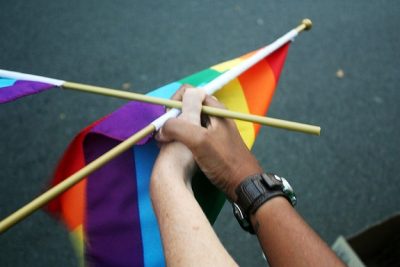
Appellate Court Hears Arguments in Case Challenging DOMA, Bi-National Married Couples File New Suit
Same sex couples face often insurmountable hurdles when it comes to immigration status. Under the Defense of Marriage Act (“DOMA”), lesbian and gay U.S. citizens and lawful permanent residents are barred from obtaining immigrant visas for their spouses. When Congress enacted DOMA in 1996, no state celebrated marriages between gay and lesbian couples. But, the landscape has changed. Today, lesbian and gay couples in six states plus the District of Columbia have the freedom to marry under state law. This welcome progress, however, does not help the estimated 36,000 lesbian and gay bi-national couples living in the United States. Because DOMA prohibits immigration authorities from recognizing same sex marriages that are legal under state law, bi-national married couples continue to face potential separation. However, last week brought us closer to immigration equality for lesbian and gay couples. Read More
Opportunity and Exclusion: A Brief History of U.S. Immigration Policy
The United States and the colonial society that preceded it were created by successive waves of immigration from all corners of the globe. But public and political attitudes towards immigrants have always been ambivalent and contradictory, and sometimes hostile. The early immigrants to colonial America—from England, France, Germany, and other countries in northwestern Europe—came in search of economic opportunity and political freedom, yet they often relied upon the labor of African slaves working land taken from Native Americans. The descendants of these first European immigrants were sometimes viewed as “racially” and religiously suspect the European immigrants who came to the United States in the late 1800s from Italy, Poland, Russia, and elsewhere in southeastern Europe. The descendants of these immigrants, in turn, have often taken a dim view of the growing numbers of Latin American, Asian, and African immigrants who began to arrive in the second half of the 20th century. Read More
America's story is an immigrant story.