Elections
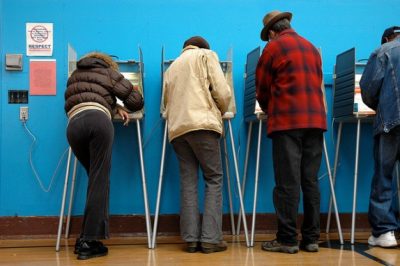
Number of Potential Immigrant Voters on the Rise in Key Super Tuesday States
Three of the twelve states holding Republican primaries or caucuses on Super Tuesday—Georgia, Massachusetts and Virginia—show especially strong trends in the numbers of foreign-born residents who have become U.S. citizens. This trend is significant given that these new Americans are able to register and vote. Immigrant communities in each of these states are large, exceeding 800,000 persons, and make up almost 10% or more of the statewide population. In fact, these three states are home to 71% of all immigrants living in the Super Tuesday states. While we don’t yet know how many of these naturalized U.S. citizens will vote on Super Tuesday or in the general election, GOP presidential candidates—many of whom have taken a hard line on immigration—would do well to take note of this trend. Read More
Number of Potential Immigrant Voters on the Rise in Key Super Tuesday States
Three of the twelve states holding Republican primaries or caucuses on Super Tuesday—Georgia, Massachusetts and Virginia—show especially strong trends in the numbers of foreign-born residents who have become U.S. citizens. This trend is significant given that these new Americans are able to register and vote. Immigrant communities in each of these states are large, exceeding 800,000 persons, and make up almost 10% or more of the statewide population. In fact, these three states are home to 71% of all immigrants living in the Super Tuesday states. While we don’t yet know how many of these naturalized U.S. citizens will vote on Super Tuesday or in the general election, GOP presidential candidates—many of whom have taken a hard line on immigration—would do well to take note of this trend. Read More

A New Way to Measure the Burgeoning Power of the Immigrant Vote
Voter registration is a key measure of immigrant integration. After all, what could be more American than casting your ballot on Election Day? When measuring immigrant voting patterns, voter registration is typically defined as the percent of naturalized immigrants (those who have become U.S. citizens) who are registered to vote. In other words, we only look at those currently eligible to vote because they have naturalized, instead of looking at the percentage of naturalized registered voters against all immigrants, documented or undocumented. The problem with that approach is we miss a big and important picture on the potential of the immigrant voting block—that many of those not eligible now, may well be eligible in the future. Read More
GOP Candidates Ignore Florida’s Diversifying Latino Population
Campaigning in Florida this month, GOP Presidential candidates continued to display a general lack of understanding of the state’s diversifying Latino population. While it’s well-documented that the Cuban-American population is currently a strong political force, the emerging story in Florida is that the state’s future voting population will become increasingly Latino, but less Cuban. Read More
Following State of the Union, President Obama Needs to Follow Through on Immigration Reforms
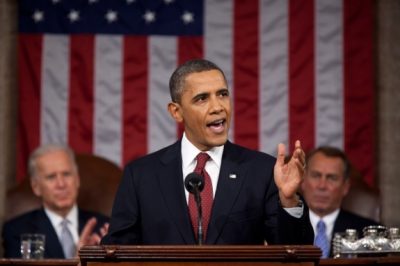
The President’s State of the Union address this week re-iterated some of his key themes on immigration—support for comprehensive reform, dismay that DREAM Act students and foreign students educated in this country have no way to legalize their status, and a belief that he’s done enough to the secure the border. More importantly, he framed these themes in context to America’s economic recovery, innovation and growth. However, while any mention of immigration in the State of the Union is welcome, it’s what the President didn’t say that may have more of an impact on how his administration is remembered this year on immigration—and how his vision is measured by voters in the coming election. Read More
Romney Uses Restrictionist Code Words to Describe Immigration Policy
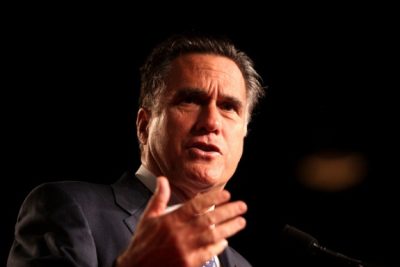
GOP presidential candidate Mitt Romney stole a page from the restrictionists’ playbook this week when he promoted the idea of “self-deportation” during a presidential debate. "If people don't get work here,” Romney stated, “they're going to self-deport to a place where they can get work." Rather than initiate a constructive solution to our nation’s immigration problems, Romney is jumping in bed with immigration restrictionist groups who support policies that tear American families and communities apart, devastate local economies, and place unnecessary burdens on U.S. citizens and lawful immigrants. Read More

Advocates Call Romney’s Relationship with Anti-Immigrant Hawk “Political Suicide”
As if Mitt Romney’s repeated promise to veto the DREAM Act wasn’t alienating enough, advocates warn that Romney’s continued relationship with famed anti-immigrant hawk Kris Kobach is killing future support from Latino voters, especially in key states like New Mexico, Nevada, Colorado and Florida. Kobach, co-author of Arizona and Alabama’s extreme immigration enforcement laws, appeared in South Carolina Monday night to spin for the Romney campaign following the GOP debate. Read More
Is the Romney Campaign Embracing Anti-Immigrant Extremism?
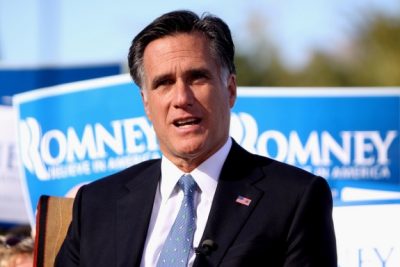
Today, Mitt Romney’s campaign heartily accepted the endorsement of renown anti-immigrant activist, Kris Kobach. As Mitt Romney emerges as the leading contender for the GOP nomination, he and those he affiliates with will garner closer scrutiny, making it critical for Romney’s campaign to understand who Kobach is and why his policies engender such strong emotion. Read More
Washington Post Lists Treating “Immigrants as People” as “In” for 2012
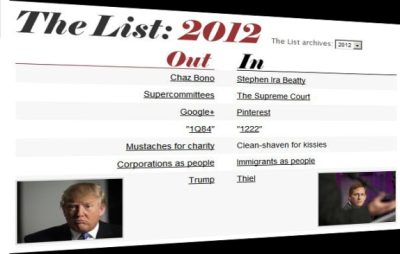
You wouldn’t know it from listening to the ridiculous anti-immigrant rhetoric over the past year, but treating immigrants like actual human beings is a concept some hope catches fire in 2012. The Washington Post recently added “immigrants as people” on “The List: 2012”—their annual zeitgeist-inspired list of ins and outs for the new year. Granted, “peacock feathers” and “Margaret Thatcher” also made the “in” column, but dialing down the immigrant bashing—a message Republican presidential candidates clearly missed during previous debates—is an idea that GOP political strategists are now embracing. Read More