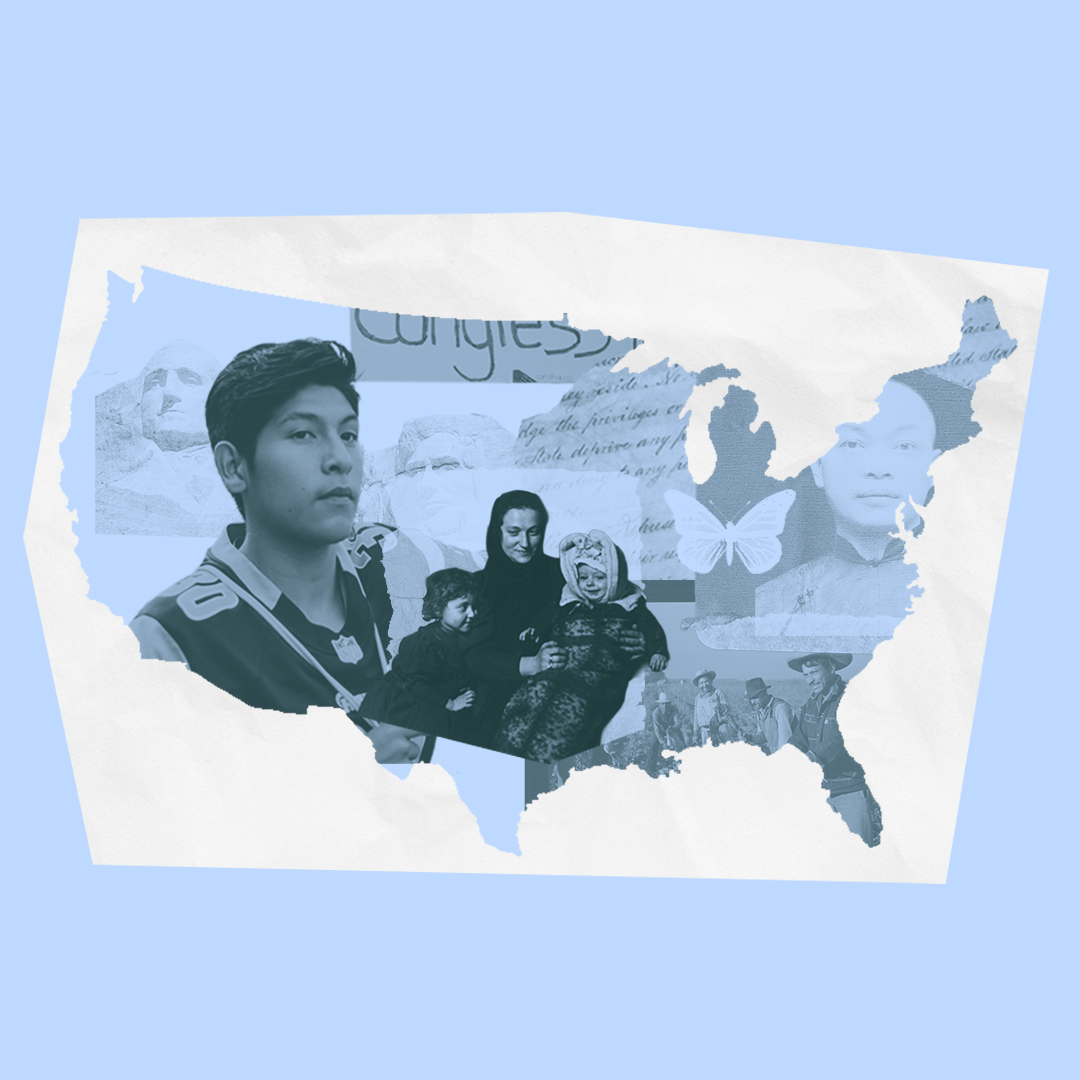
Economic Impact
Immigrants are essential to the U.S. economy, filling roles from high-skilled tech sectors to agricultural labor and driving economic growth. They also contribute to the tax base and consumer spending. We champion reform that will maximize this effect and create a more diverse and competitive workforce.

Could DACA Have Happened Without Public Engagement at USCIS?
Approximately two months after the program opened, nearly 200,000 individuals have submitted requests for grants under the Deferred Action for Childhood Arrivals (DACA) imitative. It’s still too early to assess the overall success of the program or evaluate the grant rates, but it isn’t too early to take note of the important role that preparation played in making DACA a reality. Read More
Immigrants Play Key Role in Virginia’s Economy
Recent state-level immigration battles are often characterized by a great deal of negative attention and not enough positive information about immigrants living in those states. Unfounded claims about the costs of immigration overlook the benefits and contributions immigrants make to American communities. Fortunately, some organizations are dedicated to pushing back on the negativity and publishing accurate data about the role immigrants play in state economies. Read More

California Passes Groundbreaking Legislation to Prevent “Shattered Families”
By Yali Lincroft, Policy Consultant, First Focus Campaign for Children. Late last month, California Governor Jerry Brown signed into law two bills – AB2015 and SB1064 - which address the nightmare scenarios that can befall parents and their children caught up in the immigration system. The recent report Shattered Families: The Perilous Intersection of Immigrant Enforcement and the Child Welfare System describes the issue in detail including the “extent to which children in foster care are prevented from uniting with their detained or deported parents and the failures of the child welfare system to adequately work to reunify these families.” Read More
Maryland DREAM Act is a Smart Economic Investment
Education is an investment that yields sizeable dividends over time. Well-educated students go on to become well-educated workers who earn more, pay more in taxes, and are less likely to rely upon public benefits. This is why the DREAM Act, and all of the state-level bills that bear its name, make so much sense. Allowing unauthorized children to graduate from high school and go on to college isn’t simply an act of compassion; it is enlightened self-interest. These children will prove to be far more costly to the state in the long run if they are less educated and living in poverty. Read More

Presidential Debates: Brought to You by an Immigrant
Millions of Americans will tune into tonight’s vice-presidential debate, but few will know the origins of the presidential debate process. While we’ve come to think of these debates as a way to learn more about the candidates vying for our votes, the idea of holding public debates, like so many other great American ideas, can be traced back to an immigrant. While we frequently note that America’s progress over generations has depended on the hard work and ingenuity of past and current generations of immigrants, it’s important to remember that ideas themselves are a benefit sometimes hard to enumerate, but critical to the American experience. Read More
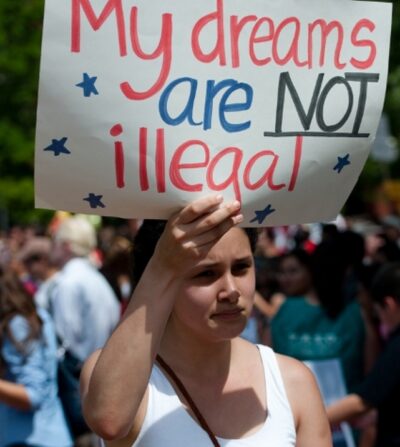
Got Clarity? “Illegal Immigrant” Is More than Just a Term
Over the last few weeks, New York Times Public Editor Margaret Sullivan has been weighing a challenge from fellow journalist and self-described “undocumented immigrant” Jose Antonio Vargas—drop the use of “illegal immigrant” as the Times default description of the 12 million undocumented people in the United States. Sullivan invited and received public comment on the challenge, much of which made subtle and nuanced pleas to use terms that were less insulting and more accurate. This week, calling her decision somewhat anti-climactic, Sullivan recommended that the Times stick with its current style guide because illegal immigrant is a term that is “brief, descriptive, and “gets its job done in two words that are easily understood.” Read More
Naturalized Citizens Have the Power to Swing Elections
There is no doubt that immigrants are a force to be reckoned with in this year’s presidential race. After all, the Obama administration unveiled its Deferred Action for Childhood Arrivals (DACA) program in June, just a couple of months before the official start of the campaign. And Republican presidential nominee Mitt Romney has said that, if elected, he will not deport DACA beneficiaries (although he says he will discontinue the program). In other words, both candidates are going out of their way to woo immigrant voters—that is, naturalized U.S. citizens who are eligible to vote—as well as those second and third generation Americans for whom immigration is still a highly personal issue. This is smart politics. Given that the presidential election could be decided by the most razor-thin of margins, the ballots cast by naturalized citizens could prove decisive, especially in the handful of swing states upon which the election will probably hinge. Read More
Utah Attorney General Pushes Sensible Immigration Policies
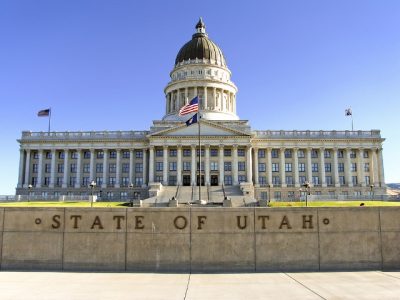
Republican Utah Attorney General Mark Shurtleff has become a poignant and effective advocate for smart immigration policies, including the DREAM Act. On Monday, Shurtleff spoke at the Immigration Law and Policy Conference, in Washington D.C., where he concluded that the “biggest casualty in the immigration debate is the truth.” Shurtleff understands prosecutorial discretion, and is firmly behind the Obama Administration’s recent decisions to exercise prosecutorial discretion for immigrant youth (Deferred Action for Childhood Arrivals, DACA) and in cases where the individuals are not enforcement priorities. Shurtleff went on to describe Utah’s recent immigration legislation, which includes an enforcement law, as well as a provision that creates a state guestworker program. He explained that he is still in conversations withthe federal government about how Utah can exercise prosecutorial discretion for unauthorized “guestworkers” and the employers who hire them. Read More

Arizona’s Immigration Policies are an Economic Disaster
Faced with a battered, post-recession economy, lawmakers in Arizona adopted a unique approach to fostering economic recovery; they passed a law that beat down or drove out tens of thousands of the state’s workers, consumers, and taxpayers. The rationale for this counterintuitive action was that the workers, consumers, and taxpayers in question were unauthorized immigrants, and therefore undeserving of support. Some of Arizona’s lawmakers even thought that an exodus of unauthorized immigrants from the state would magically create job openings for unemployed natives. But that’s not how an economy actually works. The unsurprising end result of the attack on unauthorized immigrants has not been recovery, but the shrinking of a state economy that was already contracting. Read More
Agriculture Industry Harmed by Restrictive State Immigration Laws
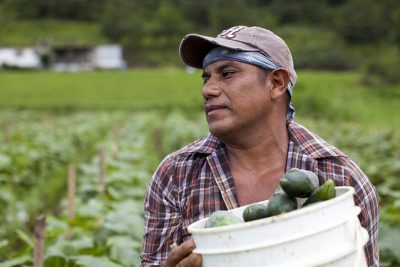
The American agricultural industry is facing billions of dollars in losses due to labor shortages resulting from recent anti-immigrant laws passed in various states around the country. The American farming industry is heavily dependent on undocumented workers, and according to a recent article in Time Magazine, has had an extremely difficult time replacing those who have fled as a result of laws like Arizona’s SB 1070 or Alabama’s HB 56. Read More
America's story is an immigrant story.