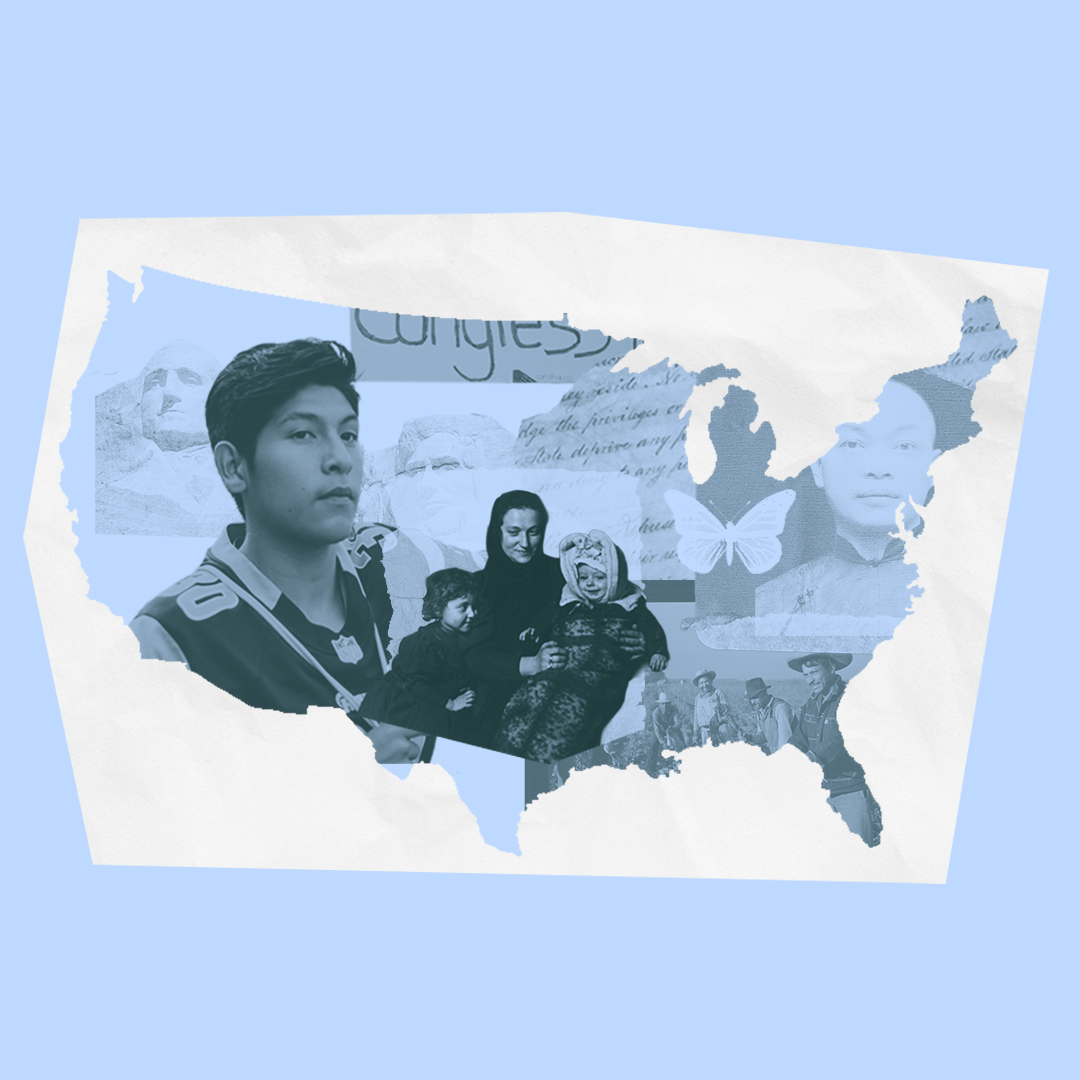
Economic Impact
Immigrants are essential to the U.S. economy, filling roles from high-skilled tech sectors to agricultural labor and driving economic growth. They also contribute to the tax base and consumer spending. We champion reform that will maximize this effect and create a more diverse and competitive workforce.
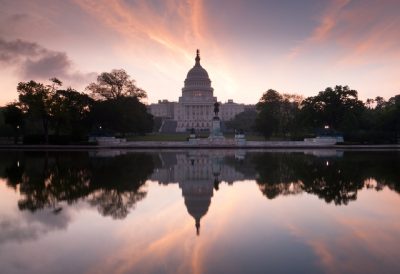
STEM Bill Still Plagued by Politics
In 2010, the lame duck session of Congress was dominated by debate over the DREAM Act, which passed the House of Representatives before succumbing to a conservative-led filibuster in the Senate. Congress will again tackle a significant immigration measure during the current lame duck session, with the House expected to vote on Friday on a bill that would create additional visas for advanced degree holders and shorten the time that many permanent residents are separated from members of their immediate family. Yet despite these laudable provisions, the bill in question contains numerous flaws. Read More

Talking Turkey on Immigration 2012
After cheers for football, some of the loudest shouting at many Thanksgiving feasts will come from political discussions gone awry. You might think that you can take it easy on the immigration issue this year, as the political chatter is now heavily in favor of immigration reform. But the… Read More

Foreign Students Add Billions of Dollars to the U.S. Economy Each Year – And That’s Just the Beginning
Most people don’t think of foreign students as an economic resource, yet that is precisely what they are. Each year, students from other countries spend billions of dollars in the U.S. economy, pumping money not only into the colleges and universities they attend, but the surrounding businesses as well. In addition, many foreign students go on to become highly innovative scientists, engineers, and entrepreneurs who add value to the U.S. economy in myriad ways that are often difficult to quantify. Given the economic value of the education they receive in U.S. universities, it is unfortunate that so many foreign students are forced by our nonsensical immigration policies to return to their home countries rather than putting their knowledge to use in this country. Read More
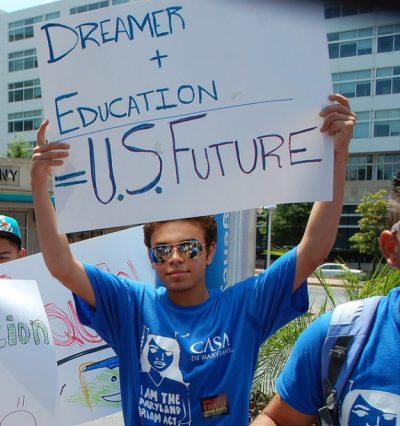
Understanding the Important Symbolism of the Maryland DREAM Act Victory
While much of last week’s energy was focused on Latino voter turnout in the Presidential race— and the subsequent recognition that immigration reform was all but inevitable—there was another major victory for immigration policy that came out of Maryland. Voters in the state supported through referendum their legislature’s decision to provide in-state tuition to undocumented students. This was the first vote of its kind in the nation and one where African-American voters were an important voting bloc in support of the measure. Read More

Recognizing the Contribution of Immigrants to the Armed Forces
By Brett Hunt, Iraq War Veteran and former Captain in the U.S. Army. "I'm a Cuban refugee who came to this country when I was 10-years-old and flunked the sixth grade because I couldn't speak English." That's a quote that won't surprise many Americans on both sides of the immigration debate. Read More

In Presidential Election, “Self-Deportation” Goes Down to Defeat
It did not become certain until late Tuesday night that President Obama would win re-election. But for Mitt Romney, the campaign may have been lost during the Republican primary, when he cited “self-deportation” as the solution to our nation’s immigration problems. With the post-election dust now settled, it has become increasingly clear that supporting the idea is not only bad as a matter of policy, but also a losing political strategy. Read More
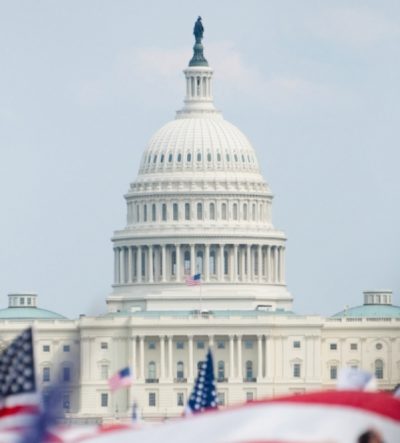
Elections Demand a New Way Forward on Immigration
Even before the election was called for President Obama last night, pundits and pollsters were remarking on the fact that immigration—or more specifically, anti-immigrant policies—were a death knell for Mitt Romney. Today, the analysis of whether and how the Republican party recovers from its devastatingly poor showing among Latinos—the key demographic group of the 21st century—is also focusing on immigration. CNN’s David Gergen noted that immigration reform would become a reality because Democrats want it and Republicans need it; even Fox news commentators grumpily acknowledged that immigration reform has got to be on the table now. Read More
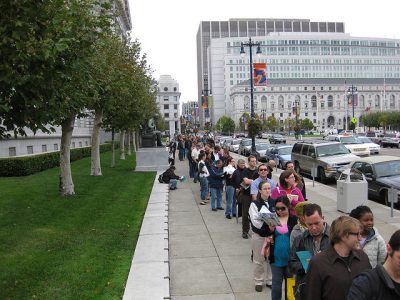
A Long Journey to the Voting Booth
For some people, this year’s journey to the voting booth started years ago, in El Salvador or China or Cameroon, when it became clear that they had to leave their country and start over in America. For those people, (whom U.S. Citizenship and Immigration Services calls “Americans by choice,”) the journey to the polls has involved hardship, struggle, hundreds of hours learning English and civics, and studying for the naturalization test. They bring not only their vote to the polls, but a reminder to all of us that our precious democracy can only succeed when we believe in this country enough to take the time to vote. Read More
Nativist Group Releases Hopelessly Flawed Report on Immigrants and Job Creation
By Patrick Oakford, Research Assistant for the Economic Policy Team at the Center for American Progress. Last week the Center for Immigration Studies (CIS) released a shocking report claiming that most new jobs created under President Obama have gone to immigrants. Aside from the sheer incorrectness of the claim, being founded on flawed methodologies, CIS perpetuates a hateful “us versus them” discourse at a time when we should be focused on creating more and longer-lasting jobs. Read More

Immigrant Workers Likely to Play Big Role in Post-Sandy Reconstruction
Hurricane Sandy may be gone, but the monumental task of reconstruction remains. In New Jersey and New York in particular, thousands of workers will be needed to rebuild or restore roads, homes, and office buildings damaged or destroyed by the storm. If history is any guide, many of those workers will be immigrants, and many of those immigrants will be unauthorized. Ironically, as they play an outsized role in reconstruction after a natural disaster, immigrant workers will be especially vulnerable to abuse and exploitation by unscrupulous employers. As a result, federal and state officials must be vigilant in ensuring that labor laws are vigorously enforced to protect all workers involved in post-Sandy reconstruction efforts. Read More
America's story is an immigrant story.