USCIS
Candidates, here’s how to fix immigration
CNN August 27, 2012 Dear Barack Obama and Mitt Romney, As much as America is looking forward to 10 more weeks of soothing campaign rhetoric (fingernails on the blackboard of America’s psyche), I write to urge you to offer the nation a compelling vision for a common-sense immigration process. Read More

Why Kobach’s Lawsuit Against Deferred Action is Unlikely to Stand Up in Court
Kris Kobach’s official job title is Kansas Secretary of State. But he is better known for drafting—and being hired to defend in court—state and local immigration laws designed to make undocumented residents “self-deport.” His two most notorious undertakings are Arizona SB 1070 and Alabama HB 56, which have largely been eviscerated by federal courts. Yesterday, Kobach embarked on a new legal escapade, filing a lawsuit to block the Obama administration from granting deferred action to so-called “DREAMERers,” undocumented immigrants who arrived in the country as children. Fortunately, although sure to generate headlines, the lawsuit has little chance of standing up in court. Read More

5 Ways DACA Renews the Conversation on Immigration Reform
There’s no doubt that recent implementation of the Deferred Action for Childhood Arrivals (DACA) initiative is the biggest thing to happen in immigration law in many years. While most of the attention is currently focused on how to make it work, how to apply and how to work out the kinks, it’s important to take a macro view at the ways this program can actually renew the entire conversation on immigration reform. Read More

Busting Myths About Deferred Action
Beginning today, undocumented immigrants brought to the country as children may officially submit requests for deferred action, a form of prosecutorial discretion that protects recipients from deportation and allows them to work legally in the United States for up to two years. As might be expected, numerous inaccuracies have surfaced in media coverage and other commentary about the initiative, known formally as Deferred Action for Childhood Arrivals (DACA). Below, we address common falsehoods about deferred action in general and the Obama administration’s initiative in particular. Read More
An Immigrant Olympics
Daily News August 14, 2012 Mayor Bloomberg will be in Boston and Chicago today pressing for immigration reform to be a top national priority. And what better timing for the mayor’s push to open the doors that at the conclusion of an Olympics in which American success in so… Read More

Nativist Group’s Report on Immigration Enforcement is Pure Fantasy
With its latest report on President Obama’s immigration-enforcement record, the Federation for American Immigration Reform (FAIR) has finally fallen down the rabbit hole and into immigration wonderland. Although FAIR has always played fast and loose with the facts, its new report rises to a new level of distortion. The report claims that President Obama has systematically dismantled the immigration-enforcement apparatus of the United States in his quest to dictate “pro-amnesty” policies to an unsuspecting American public. But FAIR relies mostly upon rhetorical bluster and the strategic omission of key facts to make this unbelievable case. Not surprisingly, the truth of the matter is the exact opposite of what FAIR would have you believe: immigration enforcement has expanded under the Obama Administration, not diminished. Read More

Using SAVE to Verify Voter Eligibility Comes with Unexplored Risks
The lack of evidence of immigrant voter fraud hasn’t stopped some states from pushing efforts to require photo ID at the polls, purge voter rolls of ineligible voters, and other measures that may result in voter suppression and the disenfranchisement of racial and ethnic minorities or other social groups. Some states have asked the federal government for access to immigration data in order to determine whether non-citizens are on the voter registration rolls. After initial refusals, in July 2012, the Director of USCIS advised the Florida Secretary of State that states, under limited circumstances, may use the Systematic Alien Verification for Entitlements (SAVE) program for verification of the citizenship status of registered voters. Since then, other states have expressed an interest in using SAVE for this purpose. However, the status of SAVE is unclear because the Department of Justice is again challenging Florida’s efforts, claiming they violate the Voting Rights Act of 1965. Read More

Where and Who Are The Young People Eligible for the President’s “Deferred Action” Initiative
The Obama Administration’s “deferred action” initiative for unauthorized youth who were brought to this country as children has raised a number of crucial questions. How many people will be eligible? Who are they? And where do they live? A new analysis by the Immigration Policy Center (IPC), together with Rob Paral & Associates, provides some answers. While other analyses have produced national and state-level estimates of how many immigrants could benefit from the deferred action initiative, the IPC report provides a new level of detail, breaking down the eligible population by nationality and age at not only the national and state level, but the congressional district level as well. Read More

ICE Numbers on Prosecutorial Discretion Keep Sliding Downward
Since June 15, the immigration world has largely focused on the impending “deferred action” initiative for individuals who could have qualified for relief under the DREAM Act. Meanwhile, comparatively little attention has been paid to the still ongoing review of more than 300,000 pending removal cases for individuals meriting a favorable exercise of prosecutorial discretion. Although Immigration and Customs Enforcement (ICE) has not released official statistics from the review for nearly two months, figures derived from a recent media account indicate that the agency is now offering to close cases at less than half the rate as when the initiative began. Read More

Immigration Court Backlog Keeps Growing (and Growing, and Growing…)
Two recent reports from the Transactional Records Access Clearinghouse (TRAC) contain discouraging news about the backlog in our nation’s immigration courts. One noted that the number of pending removal proceedings has reached a record high, while the other reported that a relatively small number of cases have been closed through the exercise of prosecutorial discretion. Although the figures provide cause for concern, it remains unclear—absent additional information from the Department of Homeland Security (DHS)—whether the backlog is growing despite the effort to close low-priority cases, or actually because of it. Read More
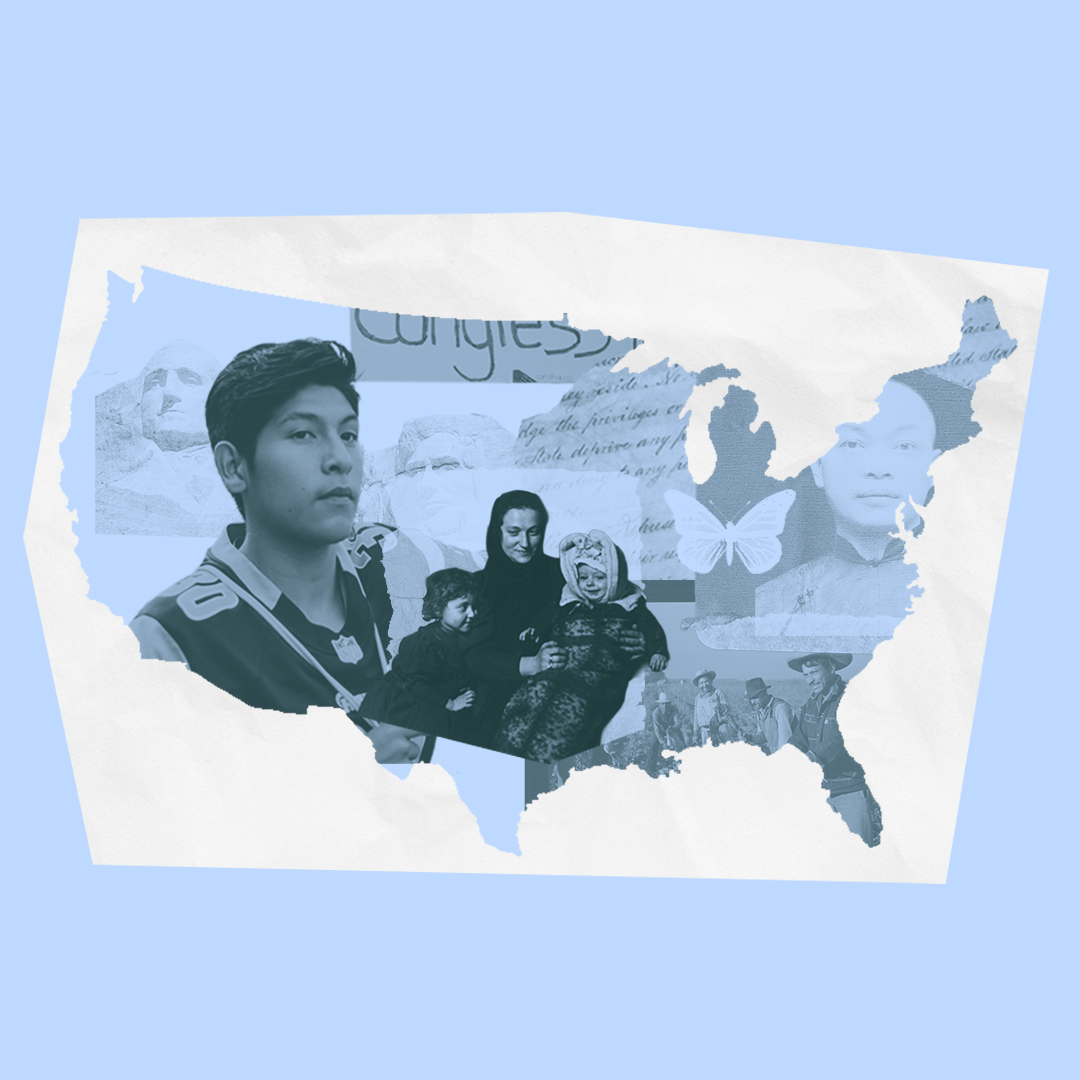
America's story is an immigrant story.