Students

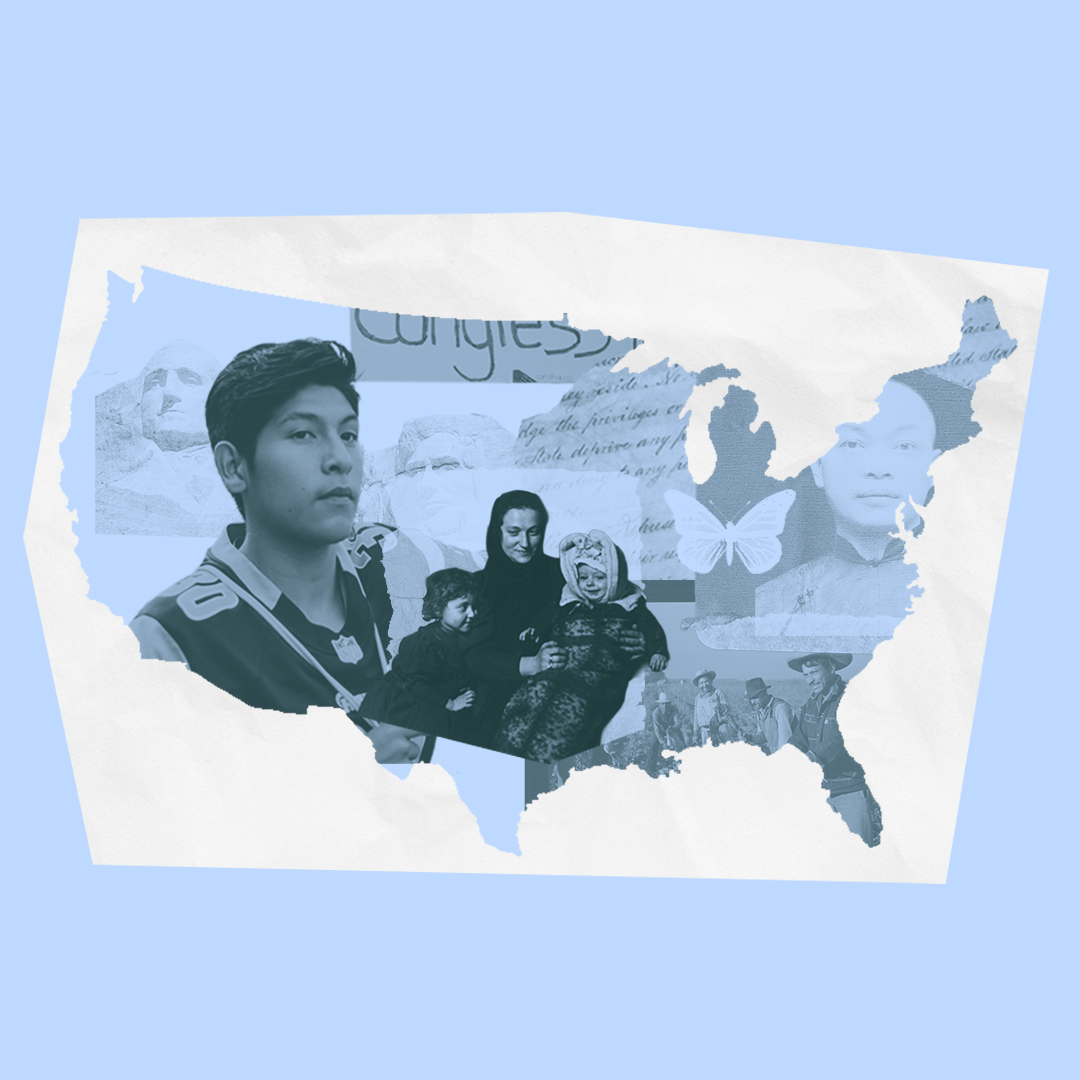
After 30 Years, Plyler v. Doe Decision Survives but Remains Under Attack
Thirty years ago today, the Supreme Court issued its landmark decision in Plyler v. Doe, holding that states cannot deny a free public education to students for lack of valid immigration status. The decision has since opened the schoolhouse doors to untold numbers of children who might otherwise be deprived of a basic education. Yet today, the decision remains under continued attack from critics who—as part of an ongoing effort to put the issue back before the Justices—appear willing to sacrifice the welfare of U.S. citizens. Read More
After 30 Years, Plyler v. Doe Decision Survives but Remains Under Attack
Thirty years ago today, the Supreme Court issued its landmark decision in Plyler v. Doe, holding that states cannot deny a free public education to students for lack of valid immigration status. The decision has since opened the schoolhouse doors to untold numbers of children who might otherwise be deprived of a basic education. Yet today, the decision remains under continued attack from critics who—as part of an ongoing effort to put the issue back before the Justices—appear willing to sacrifice the welfare of U.S. citizens. Read More
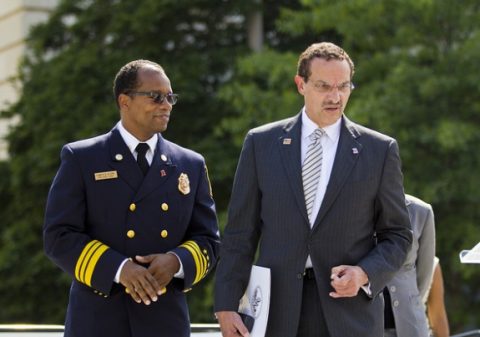
DC Passes Act Limiting District’s Response to ICE’s Immigration Detainers
Today, ICE activated the Secure Communities program in Washington, DC, sparking fear in immigrant communities that the program will result in racial profiling and the deportation of non-priority immigrants as it has in other jurisdictions. With Secure Communities active, the fingerprints of all persons booked into DC jails will be sent to the FBI and will then be forwarded to DHS to be checked against federal immigration databases. If ICE decides to take action against an immigrant identified through the program, they place a detainer on the individual—a request asking DC police to hold the person for up to 48 hours so ICE can take custody. However, in a move praised by immigration advocates, the DC Council passed an emergency act today limiting the District’s response to detainer requests. Read More

U.S. Losing High-Skilled Workers to Australia, Canada, and China, Report Says
By Shelby Pasell. “As our competitors press ahead with strategic policies suited to a global century, how much longer can America afford to drift with an immigration regime built in 1965?” This is the question addressed in recent report by the Partnership for a New American Economy and The Partnership for New York City. According to the report, as other countries simplify and expand their immigration programs to attract entrepreneurs and high-skilled workers, the U.S. maintains an old system that makes it difficult for much needed workers to secure a visa. By 2018, the U.S. will face a projected shortfall of 223,800 STEM (Science, Technology, Engineering, and Mathematics) workers, but even for graduates of these programs, visas are limited and there is no secure path towards permanent residency. Read More

Law Professors Push White House to Grant Administrative Relief to DREAMers
In the absence of Congressional action on the DREAM Act, advocates and DREAMers have increasingly turned to the White House to help them secure temporary protection from removal. This week, DREAMERS got a huge boost from 96 law professors who sent a letter to President Obama outlining the extensive authority under law that his administration holds to halt deportations of DREAMers. Read More
CHARTS: Here’s Why America Needs MORE Immigrants
Business Insider May 25, 2012 A recently released report by the Partnership for New American Economy and the Partnership for New York City laid out several reasons as to why U.S. needs to work harder on luring high skilled immigrants. We called this issue a “no brainer” last year,… Read More

In California, Lawmakers Mount New Challenge to Secure Communities
Last year, lawmakers in California were poised to pass a bill—known as the TRUST Act—to let local jurisdictions opt out of Secure Communities, the federal program that routes fingerprints taken at local jails to federal immigration authorities. Before final passage, however, federal officials rendered the bill moot by declaring that participation in the program was mandatory. Now, lawmakers are considering a revised version of the bill that would minimize the impact of Secure Communities by limiting the ability of local governments to detain immigrants on the federal government’s behalf. Read More

Administration Takes Step to Keep Talented Foreign Students in the U.S.
BY HEATHER M. STEWART, COUNSEL AND DIRECTOR OF IMMIGRATION POLICY AT NAFSA: ASSOCIATION OF INTERNATIONAL EDUCATORS. Current U.S. immigration law provides few options for foreign graduates of U.S. universities with degrees in science, technology, engineering, and math (“STEM” degrees) who want to stay here to contribute their skills and knowledge. Not enough American students are interested in these fields, even as employers regularly cannot find enough people with the high-tech and scientific knowledge and skills they need to fill available positions. Luckily for the United States, international students seek out these majors and excel in them. But increasingly, we lose these talented graduates to other competitor countries where immigration laws are friendlier. This is, of course, an enormous loss to the U.S. economy, as international students with STEM degrees often create successful businesses and jobs in the United States. Last week, DHS took a strong step forward by expanding the list of STEM fields for foreign graduates applying to training programs after graduation. Read More

Comments Due on Proposed Rule that Will Help Keep American Families Together
The administration recently published a proposed rule that will help keep American families together. The “Proposed Rule on Provisional Unlawful Presence Waivers of Inadmissibility for Certain Immediate Relatives” is an effort to streamline the application process for many relatives of U.S. citizens currently eligible for a green card by minimizing the amount of time that applicants would have to be away from their families before being admitted into the United States. The proposed rule is currently in its “comment period,” and advocates are encouraged to submit comments in support of the rule. All comments are due on June 1, 2012. Read More

Immigrants without Legal Representation Not Benefitting from Prosecutorial Discretion
After ICE Director John Morton issued a memo last June outlining how and when ICE officials should exercise prosecutorial discretion in immigration cases, many were optimistic that the memo’s implementation would relieve backlogs and help the agency focus on higher priority immigration cases. Months later, however, folks are finding that one large group of people has limited access to this review process—immigrants without legal representation. In fact, nearly half of all immigrants in removal proceedings appeared without legal representation in 2011, also known as “pro se.” While immigration attorneys often explain the effect of these prosecutorial discretion policies to their clients, pro se immigrants may be unaware that new policies are even in effect. Read More
America's story is an immigrant story.