Students

New Americans Represent Team USA at the London Olympics
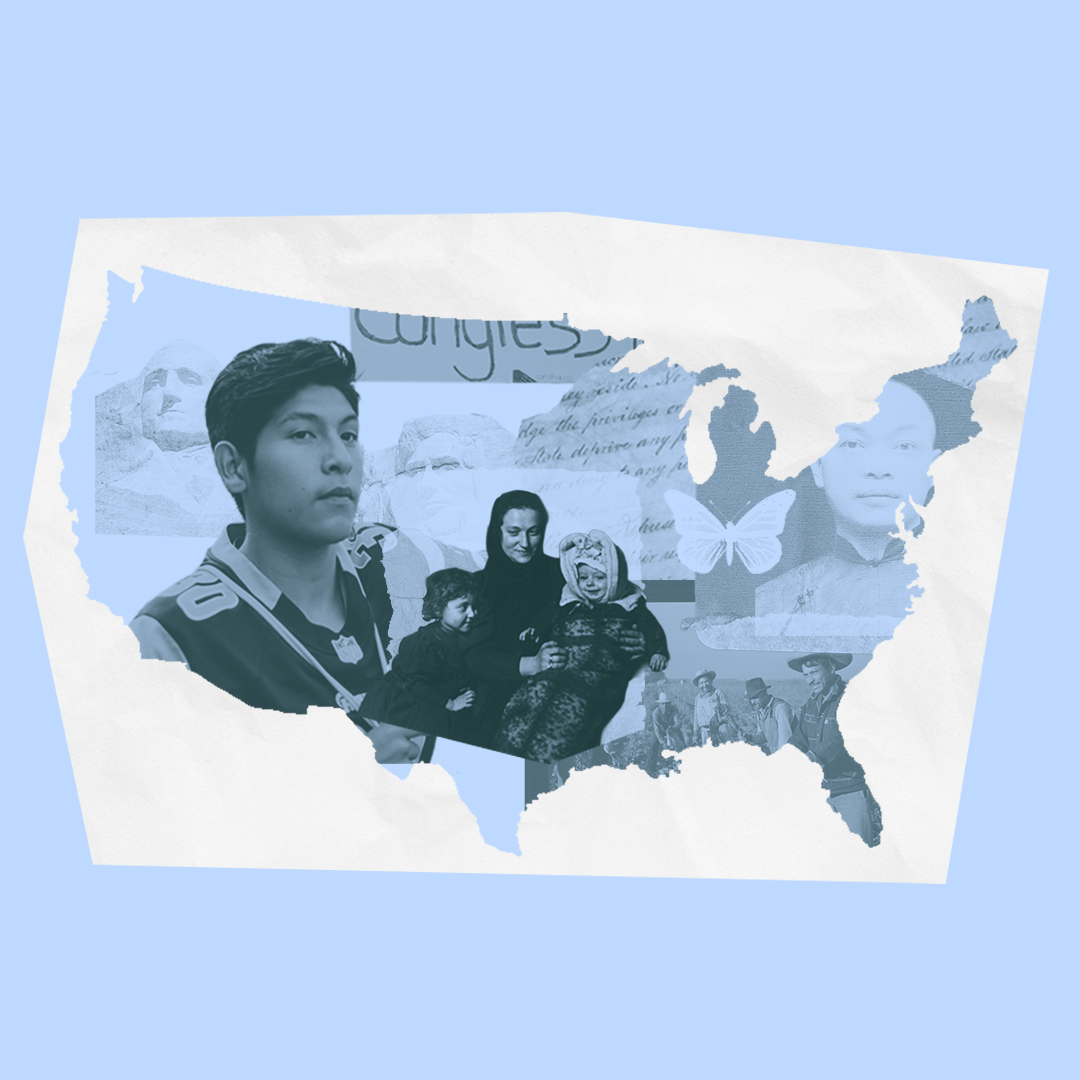
Today, the 2012 Olympics formally kick off in London where the best athletes from around the world are meeting to compete. The United States is well-represented, not only by our native born-athletes but by many “New Americans.” In fact, approximately 38 of those competing on Team USA are naturalized U.S. citizens. These athletes remind us that Americans come from all over the world. Read More
Lieutenant Governor Makes Plea for Maryland DREAM Act
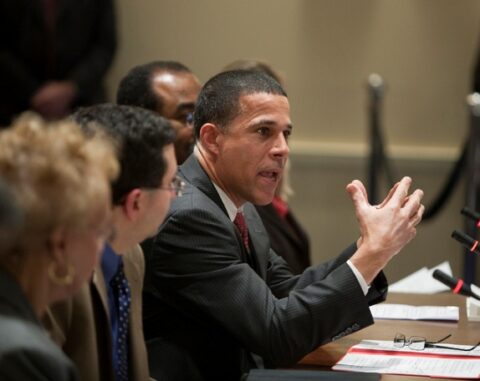
At the end of its 2011 legislative session, Maryland lawmakers passed a bill that would allow certain undocumented students to pay in-state tuition rates at Maryland community colleges, joining 12 other states with similar laws. Now, however, opponents of the law have gathered enough signatures to suspend the law and force a referendum come November. Maryland’s Lieutenant Governor Anthony Brown, an advocate for affordable higher education, responded with a plea to voters to consider the contributions of these students and the value of education for all Maryland residents. Meanwhile, lawmakers in other states like Ohio and New Jersey are considering legislation that makes higher education more affordable to all its residents. Read More

For Immigrants, Alternatives to Detention Not All They’re Cracked Up to Be
On any given day, approximately 300,000 immigrants in the United States have pending removal proceedings to determine whether they will be deported from the country. Of those, about 10% are kept in detention centers while proceedings are pending, with the rest are subject to alternatives ranging from the posting of bail to the use of electronic ankle monitors. While few if any immigrants prefer to be detained, a recent report explains that many alternatives to detention (ATD) program impose hardships themselves. Read More

Some States Attempt to Move Forward on Immigration Laws Following Supreme Court Decision
Prior to the Supreme Court’s recent decision on Arizona SB 1070, other states that passed immigration laws were also embroiled in complicated legal battles. Alabama, Georgia, South Carolina, and Utah all passed restrictive immigration laws, parts of which were challenged in court and subsequently enjoined pending the Supreme Court’s ruling on Arizona. Now that the Supreme Court has ruled, however, each state is now attempting to interpret that ruling in an effort to implement its immigration law. Read More

Civil Rights Groups Resume Legal Challenges to Alabama’s Immigration Law
Less than three weeks after the Supreme Court’s landmark decision in Arizona v. United States—which struck down three provisions of SB 1070 and invited future challenges to a fourth—civil rights groups are back in court resuming their challenges to copycat laws in other states. Going forward, the lawsuits will focus more on how to interpret the Justices’ decision and less on theoretical legal questions about states’ rights. While the cases in Alabama and other states may take years to resolve, it is already clear that parts of the laws will be immediately struck down. Read More

Why the Next Einstein Can’t Get a Visa
By Shelby Pasell. Though Einstein may be a household name in the United States, he was not born here, and he would have a hard time obtaining a visa if he were alive today. In fact, inventors behind most patents in the U.S. were born outside of the country, according to a new report by the Partnership for a New American Economy, and most face huge difficulty in obtaining visas to stay. Read More

How Should Obama Administration Proceed with Deferred Action Program?
In a June 15th memo announcing deferred action for immigrant youth, DHS Secretary Janet Napolitano gave USCIS 60 days to come up with a process that will allow these young people to affirmatively apply for the chance to work, study, and live in the U.S. without fear of deportation. To be sure, USCIS staff and their counterparts at ICE, CBP, and DHS, have been entrusted with a difficult job—one that requires balancing legal and practical implementation issues against high expectations and years of built up frustration over the lack of immigration reform. But the real challenge is acknowledging that every single decision they make about the program has the chance to make it harder or easier for young people to realize their dreams. Read More

How the President’s Deferred Action Initiative Will Help the U.S. Economy
President Obama’s June 15 “deferred action” announcement is good not only for the 1.4 million unauthorized children and young adults who have been granted a temporary reprieve from deportation, but also good for the U.S. economy. Each year, tens of thousands of unauthorized students graduate from primary or secondary school, often at the top of their classes. They have the drive and intelligence to become doctors, nurses, teachers, and entrepreneurs, but their lack of legal status has prevented them from attending college or working legally. The President’s deferred action initiative has finally provided them with an opportunity to live up to their full potential and, in the process, earn more, spend more, and pay more in taxes. Read More

In Arizona Case, Supreme Court Affirms Legality of Prosecutorial Discretion
The Supreme Court dealt a blow to the restrictionist movement on Monday by striking down three provisions of Arizona SB 1070 and leaving a fourth vulnerable to future challenge. But in a lesser noticed development, the Court also undercut the arguments of critics who contend the President violated the Constitution by recently directing his administration not to deport otherwise removable immigrants who were brought to the country as children. As the majority opinion confirmed—and not even Justice Scalia denied—the President’s authority to set enforcement priorities is a valid and important aspect of the immigration system. Read More

A Breakdown of DHS’s Deferred Action for DREAMers
While today’s headlines assess the significance of President Obama’s deferred action announcement on Friday, many are still sorting through the news to get answers to basic questions about who is covered under the new program. Prior to President Obama’s statement that DHS would halt the deportation of immigrant youth who met criteria similar to the DREAM Act, DHS Secretary Janet Napolitano released a memo and a set of questions and answers that outline eligibility and a basic timeline for implementing the new directive . Read More
America's story is an immigrant story.