SB 1070

DHS Rescinds Part of Controversial 287(g) Program in Arizona
The Obama administration suspended part of its controversial 287(g) program in Arizona this week following the Supreme Court’s ruling in Arizona v. United States. DHS announced that it was ending its “287(g) task force agreements” in Arizona —agreements which deputize certain local police to enforce immigration laws. Other state immigration programs, however, like Secure Communities and the 287(g) jail agreements (which allow deputized arresting officers to enforce immigration laws in jails), will remain in effect. Read More

Does the Supreme Court Think Most Immigrants are Criminals?
Even as the Supreme Court struck down three provisions of Arizona’s anti-immigrant law (SB 1070), the Justices appeared to embrace a major falsehood of nativist ideology: that immigrants are more likely to be criminals than the native-born. On page six of the majority opinion, the Court maintains that unauthorized immigrants are “reported to be responsible for a disproportionate share of serious crime” in Arizona’s Maricopa County. The source cited for this bold statement is a 2009 report from the Center for Immigration Studies (CIS)—a deeply flawed report which attempts to overturn a century’s worth of research demonstrating that immigrants are less likely than the native-born to commit violent crimes or end up behind bars. Read More
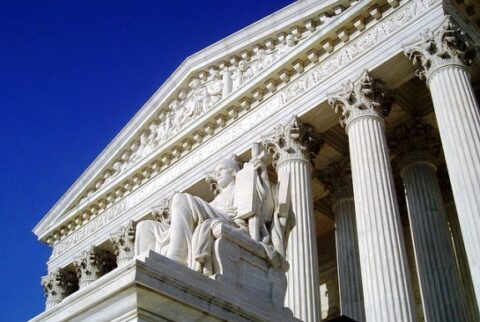
Supreme Court Issues Mixed Decision on Arizona SB 1070
The Supreme Court issued a mixed ruling on Monday in the Obama administration’s challenge to Arizona SB 1070. By a 5-3 margin, the Justices upheld the injunction against provisions of the law that authorize police to arrest immigrants suspected of committing removable offenses (Section 6), and that impose penalties under state law for immigrants who fail to carry “registration” papers (Section 3) or attempt to work without federal authorization (Section 5). Although the Court allowed the implementation of the provision of SB 1070 requiring police to determine the immigration status of people in custody “reasonable suspicion” exists that they are in the country unlawfully (Section 2(B)), it left open the door to future legal challenges. Read More

After 30 Years, Plyler v. Doe Decision Survives but Remains Under Attack
Thirty years ago today, the Supreme Court issued its landmark decision in Plyler v. Doe, holding that states cannot deny a free public education to students for lack of valid immigration status. The decision has since opened the schoolhouse doors to untold numbers of children who might otherwise be deprived of a basic education. Yet today, the decision remains under continued attack from critics who—as part of an ongoing effort to put the issue back before the Justices—appear willing to sacrifice the welfare of U.S. citizens. Read More
After 30 Years, Plyler v. Doe Decision Survives but Remains Under Attack
Thirty years ago today, the Supreme Court issued its landmark decision in Plyler v. Doe, holding that states cannot deny a free public education to students for lack of valid immigration status. The decision has since opened the schoolhouse doors to untold numbers of children who might otherwise be deprived of a basic education. Yet today, the decision remains under continued attack from critics who—as part of an ongoing effort to put the issue back before the Justices—appear willing to sacrifice the welfare of U.S. citizens. Read More
Citizenship for Sale: Foreign Investors Flock to U.S.
CNNMoney June 11, 2012 Facebook co-founder Eduardo Saverin drew public ire last month following the revelation that he had renounced his U.S. citizenship, a move widely seen as a tax dodge. But thousands of wealthy foreigners are lining up to replace him, making investments here and putting themselves on… Read More
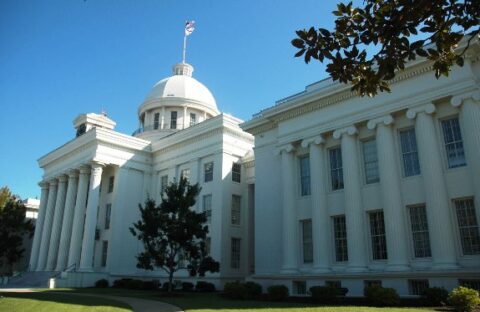
Changes to Alabama’s Extreme Immigration Law Not Enough, Critics Say
Following numerous protests, lawsuits, damaging economic reports and problems enforcing the law, Alabama Rep. Micky Hammon of Decatur proposed a bill (HB 658) that tweaks key provisions of the state’s immigration enforcement law, HB 56. Last week, the Alabama House approved those changes, some of which scaled back provisions of the law and others which actaully expanded existing provisions. While Rep. Hammon claims the tweak bill “removes confusing language and makes the law easier to enforce,” opponents assert that no amount of tweaking can fix this broken law and that the only solution is a full repeal. HB 658 is now pending in the state Senate which is expected to take up the bill this week. Read More

SB1070 Author Shares Fears About America Becoming a “Minority, Majority” Nation
On the same day the Supreme Court heard oral arguments in Arizona v. United States the Washington Post published an article featuring Michael Hethmon, general counsel for the Immigration Reform Law Institute. Hethmon is the lesser-known legal mind behind SB1070, and a variety of other anti-immigrant measures. His legal counterpart, Kris Kobach tends to get the spotlight; however Hethmon didn’t shy away from the Washington Post this week and was frank about his views on the real issues underlying SB1070. Read More

Supreme Court Asks Hard Questions at Oral Arguments Over Arizona SB 1070
Almost two years to the day after Arizona enacted the notorious immigration law known as SB 1070, the Supreme Court heard arguments in what could be the first of many cases over the validity of the measure. Although most critics of the law have focused on its potential for civil rights violations, the only question before the Justices was whether federal immigration laws “preempt” four provisions of SB 1070 that were blocked by lower courts. While the ultimate fate of those provisions will not be known until a ruling is announced, a few preliminary observations can be made based on the questions posed by the Justices. Read More
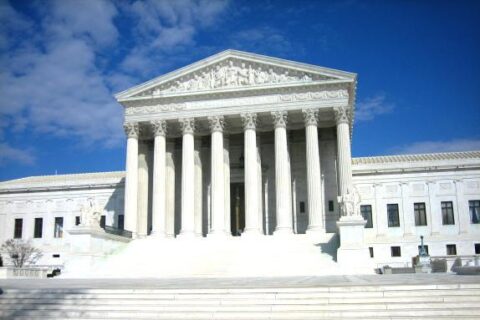
Five Things to Know Before the Supreme Court Hears Arguments on Arizona SB1070
In less than 48 hours, the Supreme Court will hear oral arguments in Arizona v. United States, the long-anticipated dispute over the legality of SB 1070. More than any case in recent history, the dispute raises fundamental questions about the role of states in the enforcement of federal immigration law. The Court’s decision could thus determine not only the future of SB 1070, but the fate of other state immigration laws being challenged in court and the odds of similar laws being passed around the country. While much ink has already been spilled about the case, below we’ve highlighted five important facts to remember before the argument. Read More
America's story is an immigrant story.
