Republicans

Could DACA Have Happened Without Public Engagement at USCIS?
Approximately two months after the program opened, nearly 200,000 individuals have submitted requests for grants under the Deferred Action for Childhood Arrivals (DACA) imitative. It’s still too early to assess the overall success of the program or evaluate the grant rates, but it isn’t too early to take note of the important role that preparation played in making DACA a reality. Read More

Tracking the Immigration Agencies’ Actions Amidst Hurricane Sandy
Update (11/2): USCIS has posted this reminder of special services and temporary relief that may be available to individuals affected by Hurricane Sandy, including expedited processing of employment authorization documents and extensions of certain non-immigrant status designations. In its discretion, USCIS will also take it into account requests from individuals who were unable submit evidence or attend an appointment due to the impact of the hurricane. USCIS is also extending the deadline by thirty days for submission of materials for persons who have received Requests For Evidence (RFEs) or Notices of Intent to Deny (NOIDs) with deadlines between October 26th and November 26th. Except for appointments that were automatically rescheduled as a result of USCIS office closures or the automatic extension of certain deadlines, it’s important to note that the burden remains on the applicant to establish that the hurricane affected the need for special services or the inability to meet application requirements. Up and down the East Coast, the impact of Hurricane Sandy is still being felt and its aftermath will continue to affect people and businesses for days. In the past, in some of the most severe storms, such as Hurricane Katrina, the Department of Homeland Security (DHS) immigration agencies have issued widespread information on dealing with the immigration consequences of the storm. Thus far, basic information is available regarding U.S. Citizenship and Immigration Services’ (USCIS) plans; virtually nothing has been said about Customs and Border Patrol (CBP) and Immigration and Customs Enforcement (ICE). Read More

Supreme Court to Consider Reach of Padilla v. Kentucky
In its landmark decision in Padilla v. Kentucky, the Supreme Court confirmed that criminal defense attorneys have a constitutional obligation to advise their clients if pleading guilty to a particular offense could lead to deportation. On Thursday,* the Justices will consider a follow-up question of critical importance for many immigrants placed in removal proceedings on account of bad legal advice: whether the ruling applies to cases that became final before the decision was issued. Read More

Immigrants Play Key Role in Virginia’s Economy
Recent state-level immigration battles are often characterized by a great deal of negative attention and not enough positive information about immigrants living in those states. Unfounded claims about the costs of immigration overlook the benefits and contributions immigrants make to American communities. Fortunately, some organizations are dedicated to pushing back on the negativity and publishing accurate data about the role immigrants play in state economies. Read More

A Growing Consensus on Supporting Immigration Reform
Immigration reform is not a “liberal” cause; it is a common-sense cause that appeals to people from a variety of political persuasions. More than a few conservative intellectuals, commentators, politicians, religious leaders, and law-enforcement officials favor revamping the U.S. immigration system to make it more responsive to the economic demands, social realities, and security concerns of the 21st century. This stance represents not only compassion, but enlightened self-interest. A growing body of evidence has quantified the enormous contributions that immigrants make to the U.S. economy through their labor, entrepreneurship, buying power, and innovation. Moreover, demographic trends point clearly to the growing electoral power of naturalized immigrants and to the native-born children of immigrants. In other words, being anti-immigrant in this day and age is self-destructive from both an economic and a political standpoint. Read More

Immigration (Finally) Takes the Stage at a Presidential Debate
George W. Bush made several appearances in last night’s presidential debate, but perhaps nowhere with greater effect than when President Obama contrasted Governor Mitt Romney’s position on immigration reform. Where President Bush supported comprehensive immigration reform, declared President Obama, Governor Romney supports “self-deportation” and Arizona style anti-immigrant laws. Moderator Candy Crowley then segued into a direct immigration question from an undecided voter about Romney’s plans for dealing with the 11 million undocumented immigrants living in our nation. The next few minutes revealed a great deal about both candidates’ positions on the immigration question, but perhaps more importantly, the points where the candidates challenged each other suggest that both parties recognize they must begin talking about immigration in new ways. Read More

Pace of DACA Approvals Quickens, but Will it be Fast Enough?
For the first time since immigration authorities officially launched Deferred Action for Childhood Arrivals in mid-August, the federal government released statistics last Friday indicating that thousands of requests have been officially granted. But while the figures themselves are an encouraging sign, other evidence suggests that most applicants will not have their requests considered until after the next presidential inauguration in January, if at all. Read More

Kansans Push for Kobach Recall
Activists in Kansas are mounting a campaign to recall the state’s Secretary of State and notorious immigration restrictionist Kris Kobach. According to the Associated Press, there is a movement to collect signatures to recall him. For months, several groups have held rallies and press conferences, accusing Kobach of spending too much time working on his extracurricular activities – including promoting the anti-immigrant laws he authored in other states and attending immigration-related meetings – instead of serving the people of Kansas. Read More
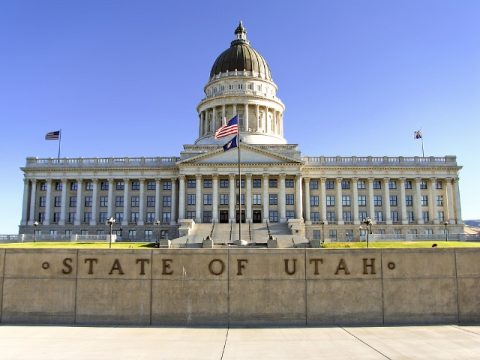
Utah Attorney General Pushes Sensible Immigration Policies
Republican Utah Attorney General Mark Shurtleff has become a poignant and effective advocate for smart immigration policies, including the DREAM Act. On Monday, Shurtleff spoke at the Immigration Law and Policy Conference, in Washington D.C., where he concluded that the “biggest casualty in the immigration debate is the truth.” Shurtleff understands prosecutorial discretion, and is firmly behind the Obama Administration’s recent decisions to exercise prosecutorial discretion for immigrant youth (Deferred Action for Childhood Arrivals, DACA) and in cases where the individuals are not enforcement priorities. Shurtleff went on to describe Utah’s recent immigration legislation, which includes an enforcement law, as well as a provision that creates a state guestworker program. He explained that he is still in conversations withthe federal government about how Utah can exercise prosecutorial discretion for unauthorized “guestworkers” and the employers who hire them. Read More

Author of Torture Memos Challenges Legality of DACA
As a high-ranking Justice Department attorney after 9/11, John Yoo authored an infamous legal memo arguing that the President, as commander-in-chief of the armed forces, possessed irrevocable authority to order the torture of alleged “enemy combatants.” Although the memos were subsequently revoked, Yoo has remained an ardent defender of presidential power—except, it appears, when it comes to the exercise of prosecutorial discretion for undocumented immigrants. Read More
America's story is an immigrant story.