Janet Napolitano

Medicare’s Health and Well-Being Depends on Immigrants
Immigrants’ access to affordable health care is one of the most contested issues in the current immigration reform debate. Most advocates of comprehensive immigration reform point to the need to ensure that aspiring citizens have opportunities to access appropriate health care since such access will impact their ability to learn, to work, and to contribute to their communities. On the other end of the spectrum, anti-immigration groups tend to inaccurately emphasize that newly legalized immigrants would represent an excessive fiscal burden. This prediction is based on a misleading characterization of immigrants as “takers”—in other words, as disproportionate consumers of public resources. Several studies have shown that this is just not the case. In fact, non-citizens use public benefit programs at a lower rate than similar low-income native-born citizens. With regard to medical expenditures in particular, immigrants tend to use less health care than their U.S.-born counterparts. Read More

Will Immigration Reform Correct the Immigration System’s Gender Bias?
Within the current immigration system, many women confront systematic barriers when trying to gain legal status. This is one of the main conclusions drawn from a study conducted by social scientists Cecilia Menjivar and Olivia Salcido. Based on a 10-year-long research project on immigrant women in Arizona, the authors identify specific instances in which gender inequality is ingrained in the formulation, interpretation, and implementation of immigration laws. Read More
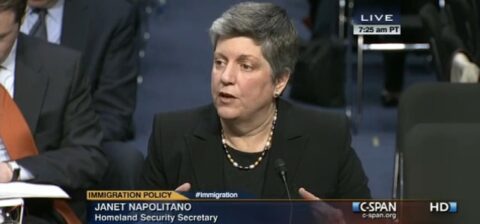
Napolitano Hearing Points the Way Forward on Immigration Reform
At an April 23rd hearing of the Senate Judiciary Committee, Homeland Security Secretary Janet Napolitano delivered two messages on behalf of the Obama administration. First, the administration strongly supports the Senate immigration reform bill—S.744, “The Border Security, Economic Opportunity, and Immigration Modernization Act.” Secondly, the administration has, contrary to the claims of its critics, significantly ramped up border security in particular and immigration enforcement in general. In other words, the administration has proven that it can be tough on enforcement even as it advocates the formulation of new immigration laws that are more effective and just than those currently on the books. Read More

Despite Governor’s Best Efforts, New Mexico Keeps Driver’s Licenses for the Undocumented
By Joan Friedland, Senior Advisor to the National Immigration Law Center. New Mexico Governor Susana Martinez has failed in her fourth attempt to persuade the New Mexico legislature to repeal the state’s driver’s license law. The law, in effect since 2003, provides access to driver’s licenses for eligible applicants, regardless of their immigration status. This year’s legislative session ended in New Mexico on March 16, after the House and Senate committees considered and rejected driver’s license restrictions. Read More

Labor and Business Strike Immigration Deal on Worker Program
Over the weekend, the U.S. Chamber of Commerce and the AFL-CIO reached an agreement on a new type of immigrant worker program that has the potential to reshape the way temporary and permanent immigration visas contribute to American immigration policy. Although this is commonly referred to as future immigration flow, it should not be confused with other debates over increasing visas for high skilled workers or increasing employment based green cards. Instead, the agreement represents an attempt to reshape how business and labor will deal with the incredibly complex issues that are part of filling the demand for less-skilled labor in the United States. In the short term, it sets up a series of concepts that both sides would be willing to support in comprehensive immigration reform—but the Gang of Eight still has to convert those concepts into workable legislation. Read More

How Budget Cuts From Sequestration Will Affect The Nation’s Immigration System
The U.S.’s immigration system, already burdened by application processing backlogs and insufficient funding for immigration courts, could become even more unwieldy if the government must slash its budget on March 1. Sequestration – a package of across-the-board government spending cuts totaling $85 billion this year and $1.2 trillion over the next decade – likely will go into effect on Friday unless Congress and President Obama manage to reach a deal. Currently, there are no reports of ongoing negotiations to avert the automatic cuts, so when the cuts kick in, all aspects of the immigration system – from visas to deportations – would be impacted. Read More

Federal Judge Leaves Anti-DACA Lawsuit Hanging By a Thread
Lost amidst coverage of recent immigration reform proposals was a ruling issued last Friday in Kris Kobach’s legal crusade against the Deferred Action for Childhood Arrivals (DACA) program. The lawsuit, filed last summer in a federal court in Dallas, alleges the program violates an obscure provision of the immigration laws that supposedly prohibits immigrants who entered the country unlawfully from receiving deferred action. Although the ruling in question allowed the case to move forward, the presiding judge rejected the vast majority of Kobach’s arguments and left the suit hanging by a thin legal thread. Read More
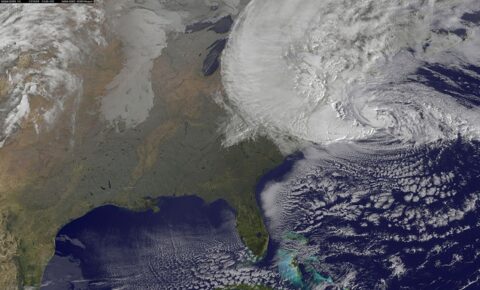
Tracking the Immigration Agencies’ Actions Amidst Hurricane Sandy
Update (11/2): USCIS has posted this reminder of special services and temporary relief that may be available to individuals affected by Hurricane Sandy, including expedited processing of employment authorization documents and extensions of certain non-immigrant status designations. In its discretion, USCIS will also take it into account requests from individuals who were unable submit evidence or attend an appointment due to the impact of the hurricane. USCIS is also extending the deadline by thirty days for submission of materials for persons who have received Requests For Evidence (RFEs) or Notices of Intent to Deny (NOIDs) with deadlines between October 26th and November 26th. Except for appointments that were automatically rescheduled as a result of USCIS office closures or the automatic extension of certain deadlines, it’s important to note that the burden remains on the applicant to establish that the hurricane affected the need for special services or the inability to meet application requirements. Up and down the East Coast, the impact of Hurricane Sandy is still being felt and its aftermath will continue to affect people and businesses for days. In the past, in some of the most severe storms, such as Hurricane Katrina, the Department of Homeland Security (DHS) immigration agencies have issued widespread information on dealing with the immigration consequences of the storm. Thus far, basic information is available regarding U.S. Citizenship and Immigration Services’ (USCIS) plans; virtually nothing has been said about Customs and Border Patrol (CBP) and Immigration and Customs Enforcement (ICE). Read More
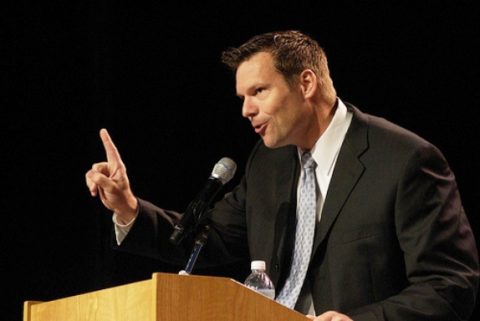
Why Kobach’s Lawsuit Against Deferred Action is Unlikely to Stand Up in Court
Kris Kobach’s official job title is Kansas Secretary of State. But he is better known for drafting—and being hired to defend in court—state and local immigration laws designed to make undocumented residents “self-deport.” His two most notorious undertakings are Arizona SB 1070 and Alabama HB 56, which have largely been eviscerated by federal courts. Yesterday, Kobach embarked on a new legal escapade, filing a lawsuit to block the Obama administration from granting deferred action to so-called “DREAMERers,” undocumented immigrants who arrived in the country as children. Fortunately, although sure to generate headlines, the lawsuit has little chance of standing up in court. Read More
Strict U.S. Immigration Policies Contribute to High Unemployment
Russia Today August 4, 2012 As the US struggles with prolonged high unemployment, the country’s immigration service is protecting American jobs by forcing foreign workers out of the country. Experts say these policies actually raise – not lower – jobless rates. Some 720,000 foreign students are currently studying in… Read More
America's story is an immigrant story.