Immigration Law

Rubio Proposal Overlooks Obstacles Ahead For DREAMers
Though it has yet to be introduced in Congress, Senator Marco Rubio’s alternative to the DREAM Act received an appraisal from the Washington Post this week, which noted that it represents an effort to shake the hard-line anti-immigrant sentiment voiced by many leading conservative politicians. The editorial also noted, however, that the outlines of his proposal promote what’s tantamount to “permanent second-class status.” Read More

House VAWA Bill Threatens Protections for Immigrant Women and Children
This year, the Violence Against Women Act (VAWA) is up for reauthorization. Last week, the Senate passed a reauthorization (S. 1925)—which provides protection to people who are the victims of domestic violence, rape, trafficking, sexual assault, stalking, and similar crimes—by a vote of 68-31. The House will takes up its own version next week, but in contrast to the Senate bill, which strengthened protections for immigrants, the House bill threatens to rollback protections for immigrant women and children who are victims of abuse. Read More

Study Shows Self-Deportation is Irrational Behavior and a False Premise
Proponents of “attrition through enforcement” would have you believe that, given the right conditions, unauthorized immigrants will choose to leave the U.S. and return to their home countries. The Myth of Self Deportation, by Alexandra Filindra, questions the assumptions behind the attrition strategy and concludes that self-deportation is not rational because unauthorized immigrants have invested too much in the U.S. to return home. Read More

Five Things to Know Before the Supreme Court Hears Arguments on Arizona SB1070
In less than 48 hours, the Supreme Court will hear oral arguments in Arizona v. United States, the long-anticipated dispute over the legality of SB 1070. More than any case in recent history, the dispute raises fundamental questions about the role of states in the enforcement of federal immigration law. The Court’s decision could thus determine not only the future of SB 1070, but the fate of other state immigration laws being challenged in court and the odds of similar laws being passed around the country. While much ink has already been spilled about the case, below we’ve highlighted five important facts to remember before the argument. Read More

Does the Punishment Fit the Crime? Experts Examine “Proportionality” and “Discretion” in Our Immigration System
As immigration becomes an ever more controversial part of the American debate, conversations often turn to details about legislation and court battles rather than questioning whether fundamental principles of justice are being applied throughout our immigration system. Two new reports released today, however, address some of these key principles, such as the idea of proportionality (whether the punishment fits the crime in immigration court) and the idea of discretion (how and when immigration law is applied). While these reports probe different areas of immigration law, they both represent a new way of thinking about how our immigration system functions, or at least should be functioning, today. Read More

Appellate Court Hears Arguments in Case Challenging DOMA, Bi-National Married Couples File New Suit
Same sex couples face often insurmountable hurdles when it comes to immigration status. Under the Defense of Marriage Act (“DOMA”), lesbian and gay U.S. citizens and lawful permanent residents are barred from obtaining immigrant visas for their spouses. When Congress enacted DOMA in 1996, no state celebrated marriages between gay and lesbian couples. But, the landscape has changed. Today, lesbian and gay couples in six states plus the District of Columbia have the freedom to marry under state law. This welcome progress, however, does not help the estimated 36,000 lesbian and gay bi-national couples living in the United States. Because DOMA prohibits immigration authorities from recognizing same sex marriages that are legal under state law, bi-national married couples continue to face potential separation. However, last week brought us closer to immigration equality for lesbian and gay couples. Read More

Alabama Lawmakers Propose Extensive Changes to State’s Immigration Law, HB 56
Yesterday evening, lawmakers in Alabama introduced a bill proposing extensive changes to HB 56, the state’s notorious immigration enforcement law. The proposed bill follows extensive criticism from civil and immigrants’ rights leaders about HB 56, as well as numerous lawsuits that prevented more than a dozen of the law’s provisions from taking effect. While passage of the proposed bill—dubbed HB 658—may not reduce the anti-immigrant climate in Alabama, many of the amendments would modify what are widely seen as the most pernicious aspects of the law. Read More
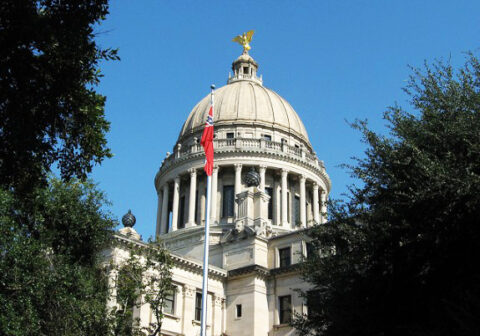
Mississippi Lawmaker Kills State’s Extreme Immigration Bill, Although Immigration Provisions May Loom
Today, Mississippi’s extreme immigration bill, HB 488, died after a state senate committee chairman decided not to bring the bill up for a vote. The Mississippi Senate had until today to consider HB 488, a bill that would have, among other things, allowed police officers to determine the immigration status of individuals they “reasonably suspect” are in the country without documents. While HB 488 is dead, however, state House members may still be looking to keep these immigration enforcement measures alive by inserting them in other bills. Read More

Supreme Court Flooded with Briefs Opposing Arizona SB 1070
Proponents of Arizona SB 1070 often insist that the infamous immigration law enjoys considerable public support. Yet even if such claims are correct, one would hardly know it from the flood of briefs filed at the Supreme Court this week opposing the measure. Unlike the monolithic set of briefs filed last month in support of SB 1070, the briefs opposing the law were submitted by a strikingly broad range of parties—from commissioners of the former INS, to more than 40 cities and counties, to a group of law enforcement officials that includes an Arizona sheriff whose county shares a border with Mexico. Read More

Mississippi Farming, Law Enforcement Groups Urge Lawmakers to Oppose State Immigration Law
Economists aren’t the only ones who think a patchwork of costly state immigration laws is a terrible idea. This week, Mississippi farming and law enforcement groups each sent separate letters urging state lawmakers to reconsider moving forward with Mississippi’s extreme immigration law, HB 488. The groups call the law an “unfunded mandate” and cite the burdensome costs to taxpayers, the discriminatory nature of the law, and the potential loss of tourism, foreign investment and economic development for the state. The Mississippi House passed the bill, which prohibits undocumented immigrants from entering business transactions with the state and allows law enforcement to determine the immigration status of individuals whom they “reasonably suspect” is in the country without documents during an arrest, earlier this month. The Mississippi Senate has until April 3 to consider the bill before it dies. Read More
America's story is an immigrant story.