Immigration Law

Using SAVE to Verify Voter Eligibility Comes with Unexplored Risks
The lack of evidence of immigrant voter fraud hasn’t stopped some states from pushing efforts to require photo ID at the polls, purge voter rolls of ineligible voters, and other measures that may result in voter suppression and the disenfranchisement of racial and ethnic minorities or other social groups. Some states have asked the federal government for access to immigration data in order to determine whether non-citizens are on the voter registration rolls. After initial refusals, in July 2012, the Director of USCIS advised the Florida Secretary of State that states, under limited circumstances, may use the Systematic Alien Verification for Entitlements (SAVE) program for verification of the citizenship status of registered voters. Since then, other states have expressed an interest in using SAVE for this purpose. However, the status of SAVE is unclear because the Department of Justice is again challenging Florida’s efforts, claiming they violate the Voting Rights Act of 1965. Read More
Restrictionists Misrepresent Data on Immigration Enforcement
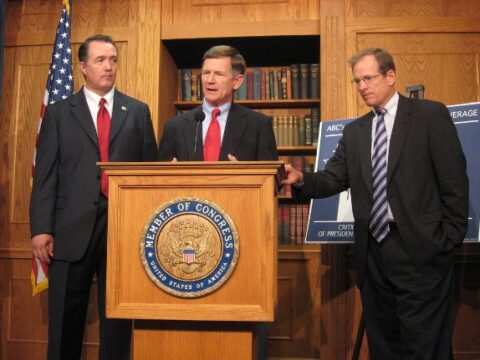
Some members of Congress are intent on portraying the Obama administration as “weak” on immigration enforcement, and they aren’t going to let facts get in their way. Yesterday, for example, the Congressional Research Service (CRS) released new data on individuals who had been identified through Secure Communities (S-Comm) but against whom ICE had not taken enforcement action. House Judiciary Chair Lamar Smith characterized the data as proof that the Obama administration has used prosecutorial discretion “recklessly and to the detriment of the American people.” However, a close look at the data reveals that Smith’s sweeping allegations do not hold water. By misusing terms like “recidivism,” and by failing to distinguish between arrests and convictions, Smith intends to paint immigrants as criminals—a link that has been disproven over and over again. Read More
Where and Who Are The Young People Eligible for the President’s “Deferred Action” Initiative
The Obama Administration’s “deferred action” initiative for unauthorized youth who were brought to this country as children has raised a number of crucial questions. How many people will be eligible? Who are they? And where do they live? A new analysis by the Immigration Policy Center (IPC), together with Rob Paral & Associates, provides some answers. While other analyses have produced national and state-level estimates of how many immigrants could benefit from the deferred action initiative, the IPC report provides a new level of detail, breaking down the eligible population by nationality and age at not only the national and state level, but the congressional district level as well. Read More
Heartland H-1Bs: Foreign Tech Workers Beyond Silicon Valley
Wired July 18, 2012 The debate over foreign skilled workers in the United States divides along painfully predictable fault lines. On one side, tech CEOs complain that the country’s flawed education system can’t produce the talent they need to stay competitive. On the other side, labor and anti-immigration groups… Read More
Study: Foreign Workers with Niche Skills in Demand in Mercer
The Examiner July 18, 2012 Demand for skilled foreign workers is high in Mercer County. The county receives about 2,000 requests for H-1B specialty visas each year, the fourth-highest number of requests in the country, a Brookings Institution study released yesterday found. The visas bring in foreign nationals for… Read More

How Overburdened Immigration Courts Can Be Improved
By Naike Savain. Immigration courts are notorious for significant backlogs and lacking sufficient resources to timely and justly adjudicate the hundreds of thousands of removal cases pending before them. And, despite recent announcements that the Department of Homeland Security (DHS) is exercising prosecutorial discretion in some removal cases, immigration courts throughout the country struggle to manage their caseloads. In fact, some courts are scheduling hearings as far out as 2015, yet Congress seems unwilling to appropriate additional funding. A recent study commissioned by the Administrative Conference of the United States, however, addresses the gap between immigration courts’ workload and resources and recommends several improvements to the system. Read More

For Immigrants, Alternatives to Detention Not All They’re Cracked Up to Be
On any given day, approximately 300,000 immigrants in the United States have pending removal proceedings to determine whether they will be deported from the country. Of those, about 10% are kept in detention centers while proceedings are pending, with the rest are subject to alternatives ranging from the posting of bail to the use of electronic ankle monitors. While few if any immigrants prefer to be detained, a recent report explains that many alternatives to detention (ATD) program impose hardships themselves. Read More
Some States Attempt to Move Forward on Immigration Laws Following Supreme Court Decision
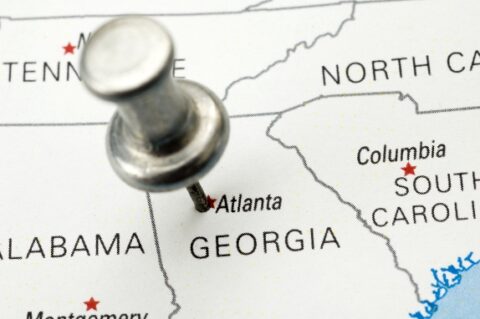
Prior to the Supreme Court’s recent decision on Arizona SB 1070, other states that passed immigration laws were also embroiled in complicated legal battles. Alabama, Georgia, South Carolina, and Utah all passed restrictive immigration laws, parts of which were challenged in court and subsequently enjoined pending the Supreme Court’s ruling on Arizona. Now that the Supreme Court has ruled, however, each state is now attempting to interpret that ruling in an effort to implement its immigration law. Read More

Civil Rights Groups Resume Legal Challenges to Alabama’s Immigration Law
Less than three weeks after the Supreme Court’s landmark decision in Arizona v. United States—which struck down three provisions of SB 1070 and invited future challenges to a fourth—civil rights groups are back in court resuming their challenges to copycat laws in other states. Going forward, the lawsuits will focus more on how to interpret the Justices’ decision and less on theoretical legal questions about states’ rights. While the cases in Alabama and other states may take years to resolve, it is already clear that parts of the laws will be immediately struck down. Read More

According to Scott Beason, Alabamans Will Return to “Menial Jobs” Over Time
Alabama State Senator Scott Beason continues to link the state’s recent dip in unemployment to its extreme immigration law (HB 56), even though there is no evidence to support that this theory. In fact, many Alabama business have reported difficulties in replacing immigrant workers, many of whom have left the state or gone further underground. But in a recent effort to address this reported labor shortage, Sen. Beason—a sponsor of HB 56—managed to insult both immigrants and native Alabamans alike. Read More
America's story is an immigrant story.