Detention
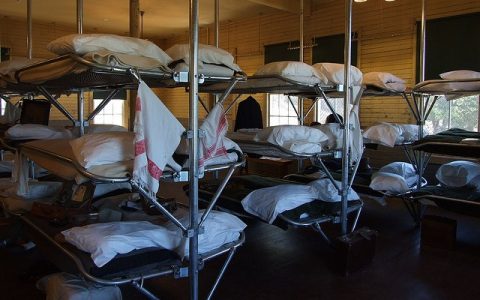
Detention Bed Mandate is Just One Example of How Immigration is Being Criminalized
For more than a century, study after study has confirmed two simple yet powerful truths about the relationship between immigration and crime: immigrants are less likely to commit serious crimes or be behind bars than the native-born, and high rates of immigration are not associated with higher rates of either violent or property crime. Unfortunately, immigration policy is frequently shaped more by fear and stereotype than by empirical evidence, which is why immigrants are so often treated like dangerous criminals by the U.S. immigration system. Whole new classes of “felonies” are created which apply only to immigrants, deportation is viewed as a just punishment for even minor crimes, and policies to end unauthorized immigration become more and more punitive rather than more rational and practical. In short, immigration itself is being criminalized. Read More

Report Exposes Treatment of Asylum Seekers in U.S. Detention
Asylum seekers—often scarred by physical and mental trauma—seek safety and refuge from genocide, religious persecution, organized violence, or other life-threatening conditions. They embark on dangerous and lengthy journeys in hope of being welcomed at our borders. Instead, upon arrival, asylum seekers routinely are arrested, shackled, and sent to detention facilities where they may be subjected to dehumanizing and degrading treatment. A recent report by the Center for Victims of Torture (CVT) and the Torture Abolition and Survivor Support Coalition International (TASSC), Tortured and Detained: Survivor Stories of US Immigration Detention, chronicles the stories of asylum seekers and details the physical and psychological agonies of detention. Read More
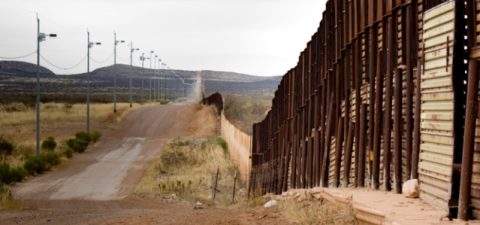
U.S. Border-Enforcement Programs Target Immigrants Who Aren’t a Threat to Anyone
Since the Department of Homeland Security (DHS) was created in 2003, its immigration-enforcement agencies—Customs and Border Protection (CBP) and Immigration and Customs Enforcement (ICE)—have been officially devoted to the protection of U.S. national security and the prevention of terrorist attacks. However, the bulk of the work done by CBP and ICE on a day-to-day basis involves apprehending and deporting non-violent immigrants who have only committed immigration offenses such as unlawful entry or re-entry into the United States. The highly punitive treatment of these immigration offenders serves no national-security purpose and is not an effective deterrent. Read More

Hundreds of Detained Immigrants Held in Solitary Confinement
Every day, out of more than 30,000 detainees, roughly 300 immigrants are held in solitary confinement at the nation’s 50 largest detention centers overseen by Immigration and Customs Enforcement (ICE) officials, according to federal data. Solitary confinement is one of most expensive forms of detention, the New York Times reports, and nearly half of immigrant detainees held in solitary confinement are isolated for 15 days or more – “the point at which psychiatric experts say they are at risk for severe mental harm.” About 10 percent are held for more than 75 days. According to the New York Times, immigrants were regularly placed in isolation for breaking rules but also for protection: Read More

Budget Cuts Led ICE To Release Immigrants From Detention
Along with every other government agency, on March 1, U.S. Immigration and Customs Enforcement (ICE) officials had to begin making mandatory cuts to their budget as a result of sequestration. ICE’s choice to shift some of its detainees from expensive detention facilities to non-detention alternatives was questioned yesterday by Members of Congress, but more importantly the decision demonstrates that alternatives to detention are a feasible choice—regardless of sequestration. Read More

Groups File Legal Claims Against Border Patrol In Abuse Cases
While the Department of Homeland Security's (DHS) immigration officers have broad authority to detain and ultimately deport noncitizens, they are generally not authorized to detain U.S. citizens and certainly cannot deport them. Yet, that is essentially what happened to a four-year-old U.S. citizen. In March 2011, U.S. Customs and Border Protection (CBP), a component of DHS, detained a young girl when she arrived at Dulles Airport in Virginia, deprived her of any contact with her parents, and then sent her back to Guatemala. Last Friday, her father fought back, filing a lawsuit on his daughter’s behalf to seek redress for the harm she suffered and to shed light on an agency that all too often acts outside the law. Read More

Recognizing Immigrant Women’s Needs in Immigration Reform
While the recent debate over reauthorization of the Violence Against Women Act and the Trafficking Victims Protection Act may have reminded the nation that there are “women’s issues” in immigration law, it doesn’t necessarily follow that most people regard immigration reform as a woman’s issue. Despite the fact that immigrant women make up a growing share of workers, entrepreneurs, single heads of households, and new voters—while remaining primary caregivers in families—the laws we craft to reform our broken immigration system have often been insensitive to the obstacles and challenges immigrant women face in applying for immigration status. Read More

State Level Immigration Legislation and the Essential Economy
We often take for granted the important role “behind the scenes” workers – farm labor, restaurant work, and home health care – play in driving our economy. That’s one of the many conclusions of a new report from the Essential Economy Council, which studied the economic and social value of industries that make up what they have coined the “essential economy.” The report identifies six industrial sectors important to our daily way of life, including: agriculture and poultry; hospitality and restaurants; light construction and landscaping; personal care and assisted living; building maintenance and facilities service; and distribution and logistics. For the state of Georgia, the essential economy is a significant component of the state’s overall economy. In particular, the essential economy contributed 12 percent ($49 billion) to Georgia’s GDP in 2010; contributed over $114 million in sales tax in 2011; employed just under one million out of 3.7 million workers in Georgia in 2011; and is present in every country in the state. Read More

How Budget Cuts From Sequestration Will Affect The Nation’s Immigration System
The U.S.’s immigration system, already burdened by application processing backlogs and insufficient funding for immigration courts, could become even more unwieldy if the government must slash its budget on March 1. Sequestration – a package of across-the-board government spending cuts totaling $85 billion this year and $1.2 trillion over the next decade – likely will go into effect on Friday unless Congress and President Obama manage to reach a deal. Currently, there are no reports of ongoing negotiations to avert the automatic cuts, so when the cuts kick in, all aspects of the immigration system – from visas to deportations – would be impacted. Read More

Business and Labor Announce Breakthrough on Immigration Reform
One of the most contentious issues that has stymied past immigration reform proposals is the divide between business and labor over how many and under what conditions the U.S. should admit new immigrants into our labor force. Also known as the “future flow” issue, the conflict lies in the tension between business’ desire to recruit foreign workers and labor’s desire to ensure workforce protections for those working in the U.S. Read More
America's story is an immigrant story.