Children
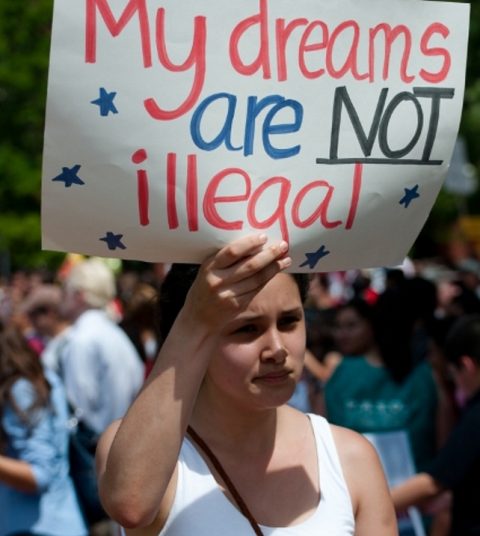
Got Clarity? “Illegal Immigrant” Is More than Just a Term
Over the last few weeks, New York Times Public Editor Margaret Sullivan has been weighing a challenge from fellow journalist and self-described “undocumented immigrant” Jose Antonio Vargas—drop the use of “illegal immigrant” as the Times default description of the 12 million undocumented people in the United States. Sullivan invited and received public comment on the challenge, much of which made subtle and nuanced pleas to use terms that were less insulting and more accurate. This week, calling her decision somewhat anti-climactic, Sullivan recommended that the Times stick with its current style guide because illegal immigrant is a term that is “brief, descriptive, and “gets its job done in two words that are easily understood.” Read More

Utah Attorney General Pushes Sensible Immigration Policies
Republican Utah Attorney General Mark Shurtleff has become a poignant and effective advocate for smart immigration policies, including the DREAM Act. On Monday, Shurtleff spoke at the Immigration Law and Policy Conference, in Washington D.C., where he concluded that the “biggest casualty in the immigration debate is the truth.” Shurtleff understands prosecutorial discretion, and is firmly behind the Obama Administration’s recent decisions to exercise prosecutorial discretion for immigrant youth (Deferred Action for Childhood Arrivals, DACA) and in cases where the individuals are not enforcement priorities. Shurtleff went on to describe Utah’s recent immigration legislation, which includes an enforcement law, as well as a provision that creates a state guestworker program. He explained that he is still in conversations withthe federal government about how Utah can exercise prosecutorial discretion for unauthorized “guestworkers” and the employers who hire them. Read More

Author of Torture Memos Challenges Legality of DACA
As a high-ranking Justice Department attorney after 9/11, John Yoo authored an infamous legal memo arguing that the President, as commander-in-chief of the armed forces, possessed irrevocable authority to order the torture of alleged “enemy combatants.” Although the memos were subsequently revoked, Yoo has remained an ardent defender of presidential power—except, it appears, when it comes to the exercise of prosecutorial discretion for undocumented immigrants. Read More

Immigrant Detention and the Private Prison Industry
The latest data on immigration enforcement show that U.S. Immigration and Customs Enforcement (ICE) detained a record high of 429,247 noncitizens in the 2011 fiscal year, an increase of 18 percent over 2010. Immigration detention has been steadily increasing over the last two decades. A new report by Justice Strategies suggests this increase is largely due to the efforts of private prison companies. Read More
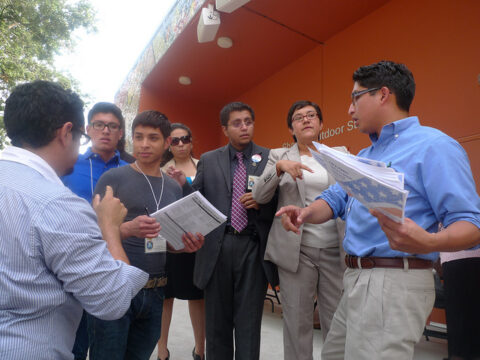
What Early DACA Application Numbers Tell Us About the Future of the Program
It hasn’t even been a month since the United States Citizenship and Immigration Services (USCIS) first started accepting requests for deferred action under its Deferred Action for Childhood Arrivals (DACA) initiative, yet the New York Times reported this week that the first approvals are already on their way. The Times also reported that the agency has received 72,000 applications as of September 11—almost double the 40,000 reported in the Wall Street Journal just the day before. That’s not bad at all for a program that was only announced three months ago and put into place by the government in 60 days. Read More

The Economic Advantages of U.S. Citizenship
Becoming a naturalized U.S. citizen has many benefits – citizens can vote and run for public office, bring family members to the U.S., hold certain jobs reserved for citizens, and they are protected from deportation. There are also a range of economic benefits to citizenship, highlighted by the Migration Policy Institute (MPI) in their new report, The Economic Value of Citizenship for Immigrants in the United States. Read More

How Deportations Devastate Families and Communities
It goes without saying that unauthorized immigrants live in constant fear of deportation. After all, any chance encounter with U.S. immigration officials can leave an unauthorized immigrant behind bars and in removal proceedings. Less obvious, perhaps, is the impact that deportations have on families and communities. A mother can be left to provide for the family alone when the father is deported. U.S.-born children can wind up in foster care when their parents are deported. And the more frequently such deportations occur, the greater is the pall of fear which hangs over entire immigrant communities. Read More

Busting Myths About Deferred Action
Beginning today, undocumented immigrants brought to the country as children may officially submit requests for deferred action, a form of prosecutorial discretion that protects recipients from deportation and allows them to work legally in the United States for up to two years. As might be expected, numerous inaccuracies have surfaced in media coverage and other commentary about the initiative, known formally as Deferred Action for Childhood Arrivals (DACA). Below, we address common falsehoods about deferred action in general and the Obama administration’s initiative in particular. Read More

Administration Releases Details on Deferred Action for Childhood Arrivals
The Department of Homeland Security today released details on its plan to grant “deferred action” to immigrant youths who were brought to the country as children. The announcement, which was accompanied by an updated FAQ and other materials on how to apply, comes eight weeks after DHS Secretary Janet Napolitano revealed the initiative, which could immediately benefit more than 900,000 immigrants. The new guidance from DHS addresses many questions about the application process—the answers to which appear below—but leaves others unresolved. Read More
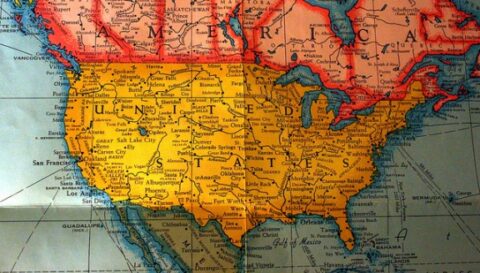
Where and Who Are The Young People Eligible for the President’s “Deferred Action” Initiative
The Obama Administration’s “deferred action” initiative for unauthorized youth who were brought to this country as children has raised a number of crucial questions. How many people will be eligible? Who are they? And where do they live? A new analysis by the Immigration Policy Center (IPC), together with Rob Paral & Associates, provides some answers. While other analyses have produced national and state-level estimates of how many immigrants could benefit from the deferred action initiative, the IPC report provides a new level of detail, breaking down the eligible population by nationality and age at not only the national and state level, but the congressional district level as well. Read More
America's story is an immigrant story.
