Reports
The High Price of Being “America’s Toughest Sheriff”: Crime and Spending Soar in Maricopa County
Over the past year and a half, Maricopa County Sheriff Joe Arpaio of Arizona has transformed his police department into an immigration-enforcement agency, gaining international publicity in the process. Yet a growing number of elected officials, media outlets, and religious and civic leaders have criticized Sheriff Arpaio’s tactics and their impact on his community. In addition, two independent reports by the East Valley Tribune and the Goldwater Institute describe a Sheriff’s department where crime-solving is down and racial profiling and budget expenditures are way up. Read More
The New Electoral Landscape and What It Means for Immigration Reform
IPC has compiled this one-stop analysis of all the available data on the Asian, Latino and New American vote and shows how and why they voted the way they did in the 2008 election cycle. The report features a variety of early, exit and election-day polling which tells the story of not only a record rate turnout, but also provides insight into the greatest areas of concern for these voters. It also explores early signals from the new administration and congress with respect to immigration reform. The 2008 elections clearly demonstrated the growing power of the Latino, Asian, and immigrant vote. Not only did these groups turn out in record numbers, they also overwhelmingly rejected anti-immigrant politicians who attempted to use immigration as a wedge issue through hateful campaign rhetoric that is quickly becoming an unhealthy trademark of the Republican Party. The following report illustrates the growing electoral clout of Latinos, Asians, and New Americans; provides data on how and why they voted; and demonstrates that immigration was an issue that motivated them to the polls. Election results from races in which immigration was a hot issue show that immigrant-bashing did not work as a campaign strategy. The report also provides evidence that a majority of all voters favor comprehensive immigration reform, and details early signs from the incoming administration and Congress that point to a new direction in immigration policy. Politicians of all stripes would be wise to listen to the voices of ethnic and New American voters and not take them for granted. The analysis provided in the following pages points to the strength and growth of what may be the most important voting bloc in 21st century politics—one that now has the power profoundly to change American elections in the years to come. Read More

Did My Family Really Come “Legally”?
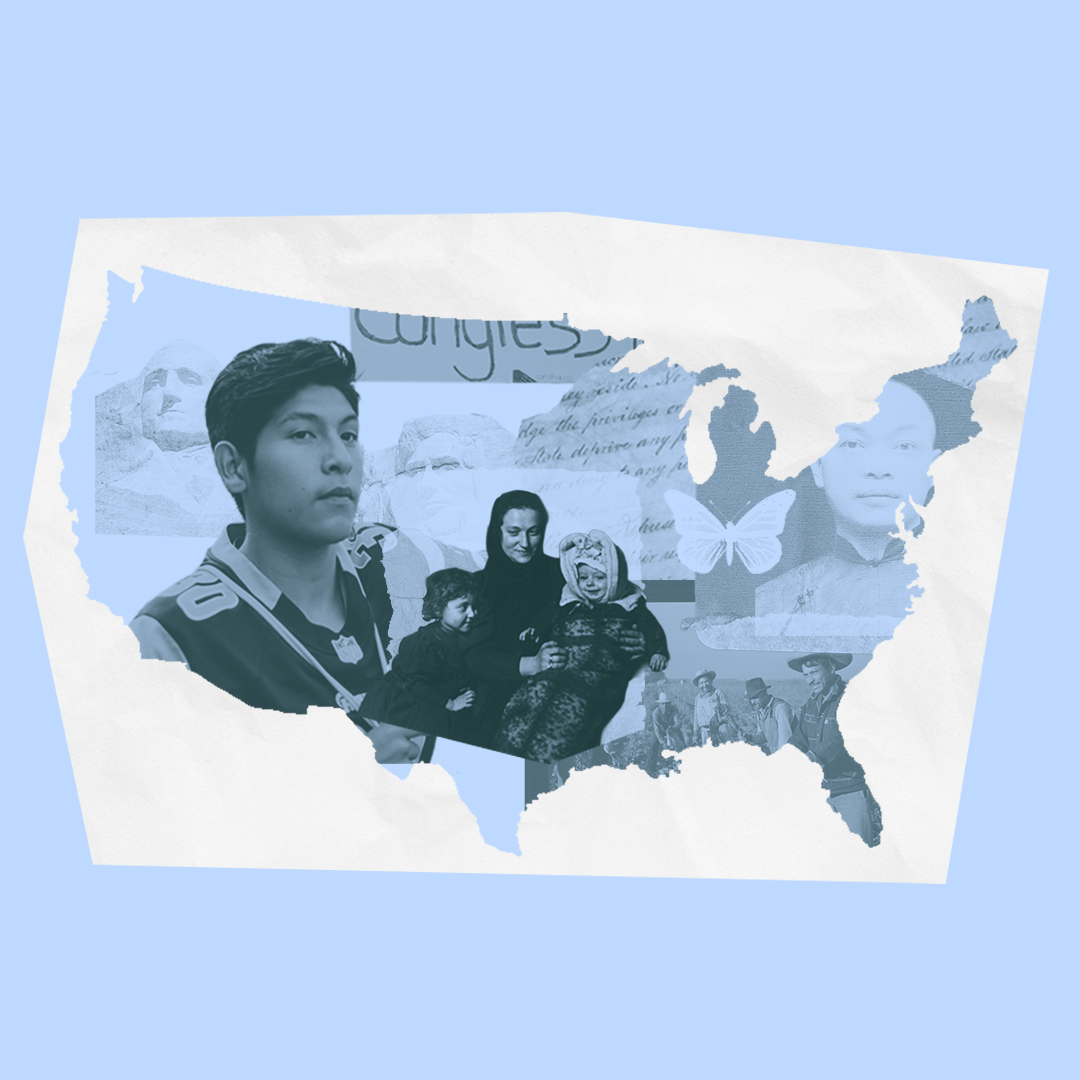
Many people assume that their family immigrated to the United States legally, or did it “the right way.” In most cases, this statement does not reflect the fact that the U.S. immigration system was very different in the past and that their families might not have been allowed to enter had today’s laws been in effect. Read More
Election 2008: The Importance of Latinos and Immigrants to the Economies and Electorates of the “Super Tuesday” States
During the presidential primaries, candidates and the media focused a great deal of attention on the debate over how immigrants impact state economies and the fiscal balance of state treasuries. At the same time, political pundits and pollsters speculated on the electoral influence of immigrants and Latinos at the voting booth. Below is a brief analysis of the impact that both Latinos and immigrants have on the economies and electorates of the “Super Tuesday” states. Read More
Election 2008 Recap: The Electoral Landscape and What it Means for Immigration Reform
IPC has prepared a fact sheet to remind policymakers, the press, and the public about the enormous influence of the immigrant, Latino, and Asian vote in the 2008 elections. Read More
Fewer Job Openings Equals Fewer Immigrants:Undocumented Immigration Slows Along With the U.S. Economy
According to new estimates from the Pew Hispanic Center, the number of undocumented immigrants in the United States did not increase between 2007 and 2008, and may actually have fallen. These findings should come as no surprise given the current state of the economy. Read More
Recapture of Unused Immigrant Visas: An Idea Whose Time Has Come
Critics of H.R. 5882, a bill that would would allow visas that have gone unused due to bureaucratic delays to be "recaptured" and issued to family- or employment-based legal immigrants, claim it will needlesly create new visas. The fact is that "recapturing" lost visas would not authorize any new green cards; it would allow the government to issue green cards that Congress has already authorized. Read More
What Happens When Local Cops Become Immigration Agents?
Over the past year and a half, County Sheriff Joe Arpaio of the Maricopa County Sheriff’s Office (MCSO) has transformed his police department into an immigration-enforcement agency, gaining international notoriety in the process. The East Valley Tribune of metro-Phoenix, Arizona, recently ran a series of articles chronicling its investigation of the immigration-enforcement activities of MCSO. Using MCSO case files, interviews with top-ranking officers, and other sources of data, reporters uncovered startling facts about the enormous price tag—both financial and social—of the Sheriff’s antics. Read More
Balancing Federal, State, and Local Priorities in Police-Immigrant Relations
Since the terrorist attacks of September 11, 2001, changes in federal, state, and local law-enforcement priorities and practices have had a profound impact on America’s Muslims, Arabs, and South Asians. Some of these policy shifts applied exclusively or primarily to those communities, such as the federal “special registration” program, selective enforcement of immigration laws based on national origin or religion, and expanded federal counter-terrorism efforts that targeted these communities. At the same time, a wide range of ethnic groups have been affected by the use of state and local police agencies to enforce federal immigration law, and the aggressive use of detention and deportation authority for even minor infractions and technicalities. Across the United States, police departments and Muslim, Arab, and South Asian communities have responded with varied approaches to the new post-September 11 reality. In some cities, serious tensions between law-enforcement agencies and immigrant communities have arisen. Other cities have taken steps to alleviate these tensions and promote dialogue and cooperation with immigrant communities. This report evaluates the challenges and successes of recent trust-building efforts between immigrant communities and local police departments, and the responses of each to new and proposed policies that threaten those efforts. Using the experiences of Muslim, Arab, and South Asian communities, the report offers insights that apply to much broader populations. It draws attention to best practices and policy solutions such as the creation of more effective channels for public dialogue and communication, public education campaigns, officer training and recruiting programs, and forms of cooperation between police and community organizations. Read More
Extremists Hijack Immigration Debate: Increased Reports of Hate Crimes and Discrimination Aimed at U.S.- and Foreign-Born Latinos
Information and examples on how the immigration debate has spurred discrimination, hate, and violence. Read More
America's story is an immigrant story.