Special Report
A Humane Approach Can Work: The Effectiveness of Alternatives to Detention for Asylum Seekers
For decades, the U.S. refugee protection system has been a symbol of the nation’s generosity and openness to the world’s persecuted. Yet since Congress’ enactment of the Illegal Immigration Reform and Immigrant Responsibility Act of 1996 (IIRIRA), asylum seekers arriving at the United States-Mexico border have been subject to mandatory detention… Read More

A Guide to the Immigration Accountability Executive Action
On November 20 and 21, 2014, President Obama announced his “immigration accountability executive action,” which includes a series of measures that are first steps towards common-sense reforms to an outdated immigration system. Read More

New Americans in the Voting Booth: The Growing Electoral Power of Immigrant Communities
Together, New Americans, Latinos, and APIs are the fastest growing segments of the electorate. In the coming years, politicians who alienate these voters will find it increasingly difficult to win national and many state and local elections—especially in close races. Read More
Reimagining the Midwest: Immigration Initiatives and the Capacity of Local Leadership
Elected and civic leaders throughout the Midwest are recognizing that they have a role to play in shaping immigration policy despite inaction at the federal level, according to a report released by The Chicago Council on Global Affairs and the American Immigration Council. Read More

The President’s Discretion, Immigration Enforcement, and the Rule of Law
The President has the legal authority to make a significant number of unauthorized migrants eligible for temporary relief from deportation that would be similar to the relief available under the Deferred Action for Childhood Arrivals (DACA) program. Read More
Two Years and Counting: Assessing the Growing Power of DACA
This week marks the two-year anniversary of the Deferred Action for Childhood Arrivals (DACA) Program, first initiated by President Obama on June 15, 2012. This research brief presents current findings from the National UnDACAmented Research Project (NURP) national survey on the impact that DACA has had on some of the young people who have received it. Read More
Mexican and Central American Asylum and Credible Fear Claims: Background and Context
This paper addresses these issues, summarizes the concerns and experiences of numerous advocates in the field, and concludes that the credible fear and asylum process poses obstacles for applicants that far surpass the supposed abuses claimed by its detractors. Read More
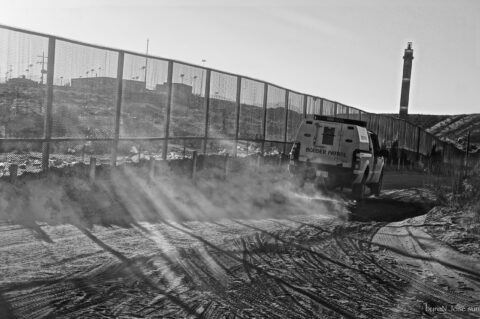
No Action Taken: Lack of CBP Accountability in Responding to Complaints of Abuse
Of the 809 complaints of alleged abuse lodged against Border Patrol agents between January 2009 and January 2012, 97 percent resulted in “No Action Taken.” On average, CBP took 122 days to arrive at a decision when one was made. Read More
Living in Car Culture Without a License
Community leaders in the United States increasingly recognize the contributions of immigrants to the growth of state and local economies, in both traditional and new immigrant destinations, as immigrants help revitalize declining communities and ailing economies. In recognition of these contributions, states and cities across the country are creating welcoming initiatives that seek to integrate and maximize the contributions of immigrant workers and entrepreneurs of all backgrounds, without an emphasis on legal status. On a parallel track in terms of initiatives that facilitate the integration of foreign-born arrivals, some states offer driver’s licenses to unauthorized immigrants. Many more states are considering it. This makes sense given that the United States is among the top motor-vehicle dependent countries in the world. States that do not offer driver’s licenses to unauthorized immigrants will limit the contributions that immigrant communities as a whole can potentially make, are likely to face negative economic and public safety consequences, and tend to fail in attempts to use such restrictive state-level policies to reduce the presence of unauthorized immigrants. Read More
Health Worker Shortages & the Potential of Immigration Policy
Foreign-born and foreign-trained professionals play an important role in the delivery of health care in the United States. This report examines the important role of immigrant doctors and nurses – many of whom have received their training abroad – in the U.S. health industry, using new Census Bureau data as well as information from numerous interviews with health industry experts. Read More
America's story is an immigrant story.