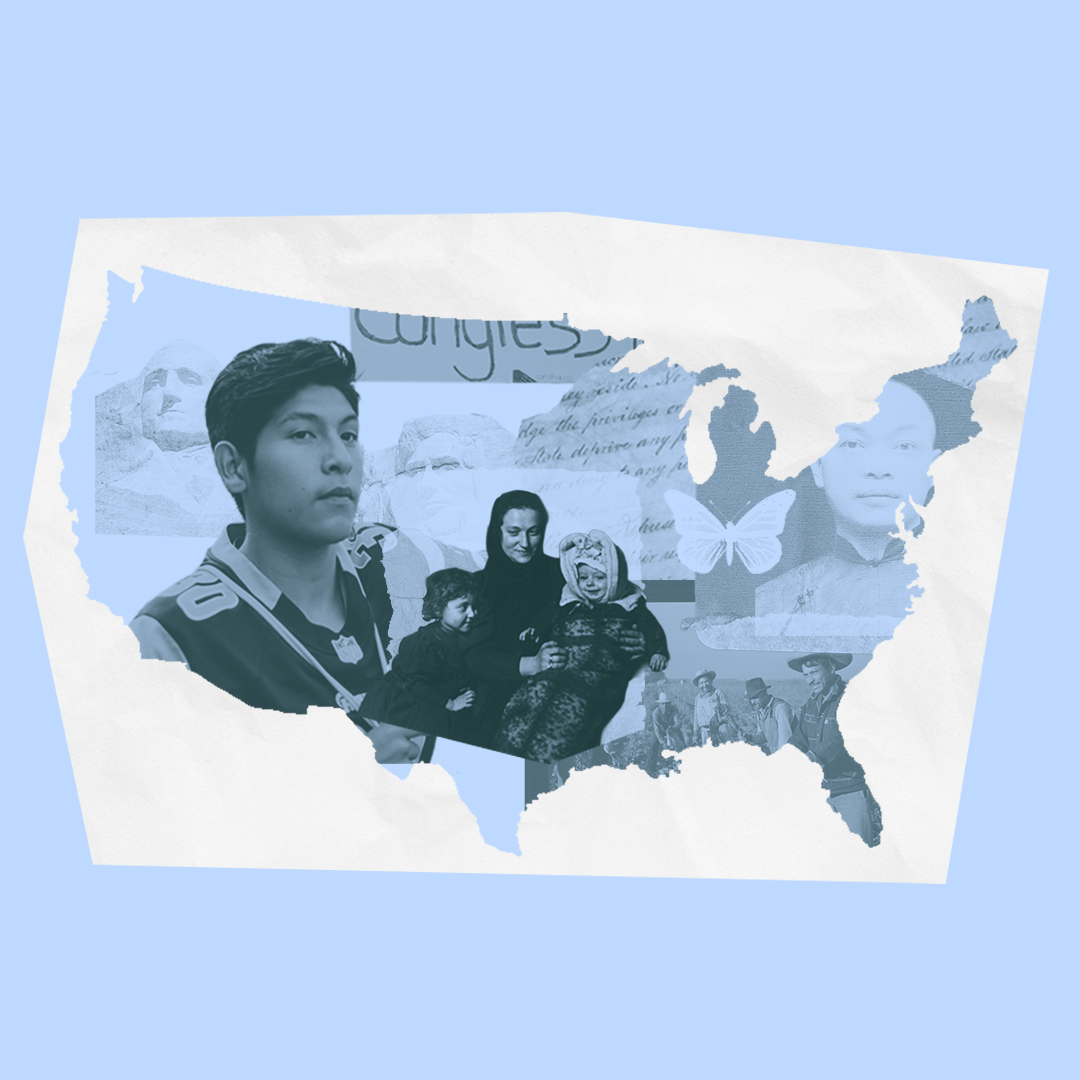
Temporary Protected Status
What is Temporary Protected Status (TPS)?
Temporary Protected Status (TPS) is a temporary immigration status provided to nationals of specifically designated countries confronting ongoing armed conflict, natural disaster, or other extraordinary and temporary circumstances that make returning difficult or unsafe. TPS provides protection from deportation and a work permit to those foreign nationals who are present in the United States at the time the U.S. government makes the designation. The Department of Homeland Security secretary can make TPS designations for 6, 12, or 18 months at a time. At least two months prior to the expiration of a country’s TPS, the secretary must decide whether to extend or terminate a designation. The secretary makes these determinations based on the country’s current conditions, focusing on whether nationals may safely return. The U.S. government has given TPS to a total of 29 countries or territories since Congress created the status in 1990, with several countries maintaining TPS designations for decades.Which countries have TPS?
The following countries are designated for TPS, though due to a recent Supreme Court ruling, all are at risk of losing status. Ongoing lawsuits may impact the termination dates listed below:- Burma (January 24, 2026, termination date suspended by court order)
- El Salvador (Extended until September 9, 2026)
- Ethiopia (February 13, 2026, termination date suspended by court order)
- Lebanon (Valid through November 27, 2026)
- Somalia (March 17, 2026, termination date suspended by court order)
- South Sudan (January 5, 2026, termination data suspended by court order)
- Sudan (Extended until October 19, 2026)
- Ukraine (Extended until October 19, 2026)
- Yemen (May 4, 2026, termination date suspended by court order)
How many people have TPS?
The number of people with TPS has dramatically decreased since President Trump took office, with the administration moving to terminate 13 out of 17 designations. At the start of the Trump administration, approximately 1.3 million people had TPS. As of June 2026, that number falls just below 300,000. In total, at least 700,000 people lost their TPS status in 2025 alone, including nationals of Afghanistan, Cameroon, Honduras, Nepal, Nicaragua, and Venezuela.Can the president end TPS designations?
Yes, a recent Supreme Court ruling essentially gave the president unchecked power to end TPS designations. On June 25, the Supreme Court issued a decision in Mullin v. Doe, a case challenging the administration’s efforts to terminate TPS for Haiti and Syria. The court’s 6-3 ruling, made along party lines, clears the way for the administration to terminate the protections. The ruling overturns lower court decisions that blocked the administration from ending TPS for Haiti and Syria. When the administration initially made the terminations, federal courts in New York and Washington DC determined that it failed to follow the required legal process to do so. Under the correct procedures established by Congress, TPS should only be terminated if an interagency review determines that conditions in the country have improved. Instead, documents uncovered during the case revealed that former DHS Secretary Kristi Noem ignored her own department’s recommendations to extend TPS for Haiti — a country the State Department warns Americans not to travel to due to heightened risk of “crime, terrorism, kidnapping, unrest, and limited health care.” Despite the lower court rulings and exposed communications, the Supreme Court ruled that a provision of the TPS statute prevented courts from hearing any lawsuits challenging the DHS secretary’s failure to follow the required legal procedures. In addition, the majority opinion declared that President Trump’s repeated public denigration of Haiti and Haitians did not rise to the level of unconstitutional racial animus that would permit a court to set aside the TPS decision.What will the impact be of ending TPS?
Once this decision goes into effect, hundreds of thousands of people lawfully present in the country will lose their legal status. The decision will also permit the administration to return to federal court in other cases and overturn decisions ruling against the termination of TPS for countries such as Venezuela, Somalia, Ethiopia, and others. Also at risk are almost 200,000 Salvadorans who have had TPS for over 25 years and 50,000 Ukrainians who have had it since the outbreak of the Russia-Ukraine war. The ruling will likely have devastating effects on the economy. Healthcare groups have flagged that thousands of Haitian nurses, home health aides, and other healthcare workers are expected to lose their jobs. The administration has extended work authorization for Haitian TPS holders until July 24, but that is only a stopgap for what is likely to be a mass exodus of qualified, skilled employees. Unless Congress takes steps to provide permanent legal status to TPS holders, hundreds of thousands are now vulnerable to losing work authorization and facing deportation.
Coalition Urges Biden Administration to Designate Temporary Protected Status to Ukraine
The American Immigration Council joined 177 organizations to request an immediate 18-month designation of Temporary Protected Status (TPS) or Deferred Enforced Departure (DED) and Special Student Relief (SSR) for Ukraine. Read More
Coalition Letter Calling for Implementation of the Emergency Stopgap USCIS Stabilization Act provisions
The American Immigration Council and 13 other organizations urged USCIS to expand premium processing to ensure the agency remains solvent while efficiently and effectively adjudicating all immigration benefit applications and petitions. Read More

Supreme Court Denies TPS Holders a Chance at Permanent Status
In a unanimous decision, the Supreme Court ruled this week in Sanchez v. Mayorkas that people with Temporary Protected Status (TPS) who entered the United States unlawfully are ineligible to obtain a green card in most cases. The decision has a devastating effect on thousands of long-time TPS holders who… Read More
Supreme Court Considers the Future for Thousands of People With TPS
The U.S. Supreme Court heard argument this week on the question of whether certain people with Temporary Protected Status (TPS), and who have developed strong connections with their communities that have made them eligible for more permanent status, may get their green card. The outcome of the case,… Read More
Biden Begins to Restore Temporary Protected Status. Which Countries Could Get TPS Next?
By the end of the Trump presidency, Temporary Protected Status (TPS) was all but destroyed. The former administration had attempted to end crucial protections for the hundreds of thousands of vulnerable people who benefited from the status. Now, just a short time into the Biden administration, those protections are being… Read More
The House Passes Historic Dream and Promise Act and the Farm Workforce Modernization Act
The U.S. House of Representatives passed two immigration bills on March 18, signaling that Congress might finally enact major immigration reform for the first time in over three decades. These bills—the Dream and Promise Act and the Farm Workforce Modernization Act—both offer pathways to U.S. citizenship for many immigrants with… Read More

What You Need to Know about Temporary Protected Status for Venezuela
The Department of Homeland Security (DHS) announced on March 8 that Venezuelan nationals present in the United States would be eligible to apply for Temporary Protected Status (TPS). The TPS designation provides immigration status to many Venezuelans for the next 18 months. At least 200,000 Venezuelans… Read More
A New Vision for Immigration Creates a Welcoming and Inclusive Immigration System
President Joseph R. Biden announced a welcoming and inclusive vision for immigration in a legislative proposal that provides a path to citizenship for millions of undocumented immigrants who call the United States home. Read More

Why Immigrants With Strong Ties to the US Should Be Allowed to Stay
This article is part of the Moving Forward on Immigration series that explores the future of immigration in the aftermath of the 2020 presidential election. The Biden administration will soon lead a vibrant nation of immigrants—a nation that includes millions of noncitizens with deep ties to the United States… Read More

TPS Extended Another 9 Months for Certain Countries, While Calls for Expanding Protection Increase
The Department of Homeland Security (DHS) issued an important announcement on December 9 about the Temporary Protective Status (TPS) designations for people from El Salvador, Haiti, Honduras, Nepal, Nicaragua, and Sudan. TPS recipients from these six countries received an additional nine-month permission to remain and work in the United… Read More
America's story is an immigrant story.