Refugees and Asylum Seekers
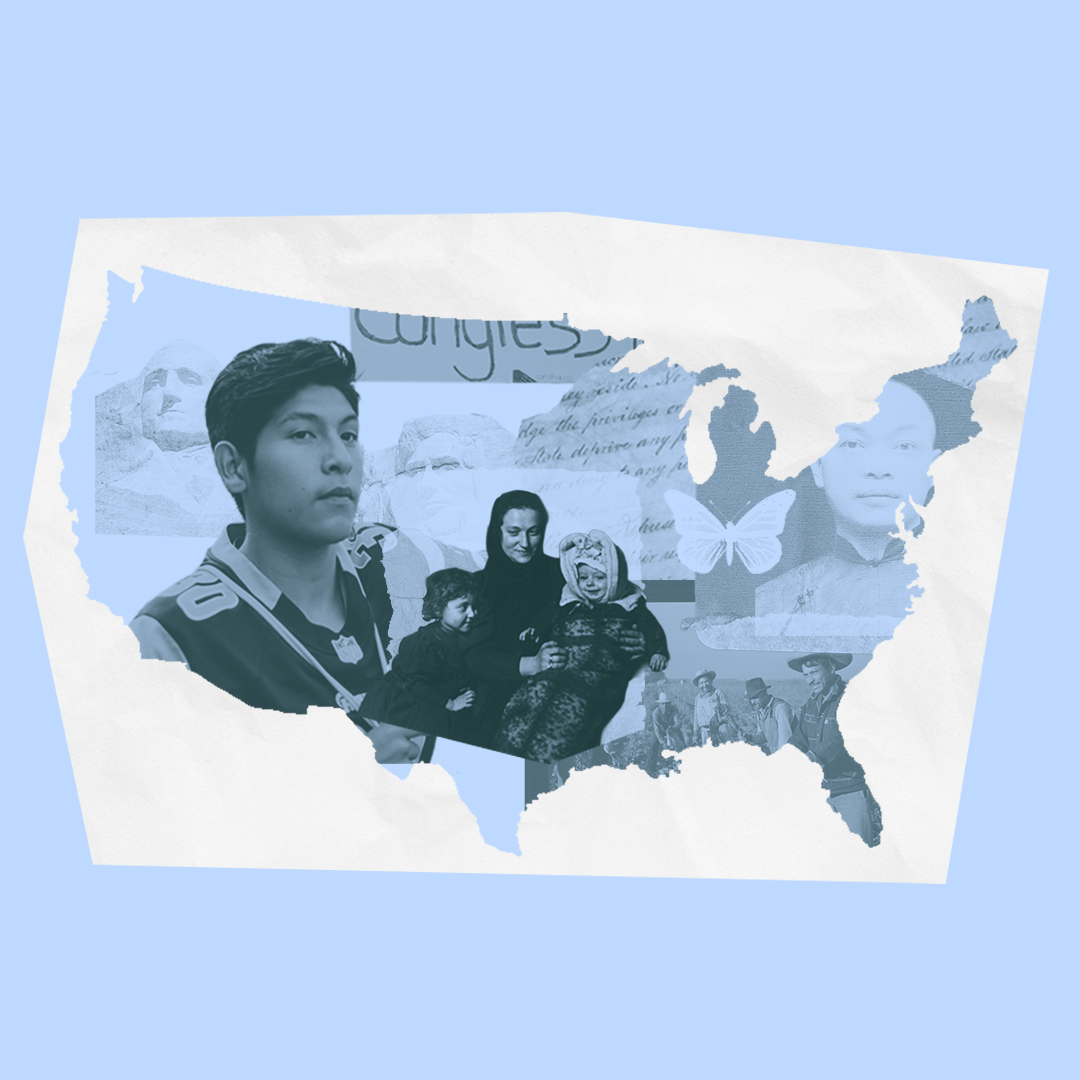
The United States has a longstanding tradition of welcoming individuals from around the world who are seeking protection and refuge. But recent U.S. policy has grown increasingly hostile toward asylum seekers and refugees. Instead of turning vulnerable individuals away, the United States should maintain its global reputation as a leader in refugee resettlement and humanitarian protection. Doing so not only upholds American values but sustains and strengthens our communities. Data from the Council shows that refugees and asylees make tremendous contributions to our economy as earners, taxpayers, and consumers. Learn more about the contributions and challenges of asylum seekers and refugees below.

Asylum in the United States
- Asylum
- May 9, 2025
Asylum seekers must navigate a difficult and complex process that can involve multiple government agencies. This fact sheet provides an overview of…
Read More

Ending Obstacles for Temporary Protected Status Recipients Seeking Legal Permanent Residence
The American Immigration Council has filed a class action lawsuit against officials at the U.S. Citizenship and Immigration Services and U.S. Department of Homeland Security in a federal district court in New York, challenging the government’s unlawful practice of depriving certain Temporary Protected Status (TPS) holders with close family relationships or employment in the United States from becoming lawful permanent residents. Read More
AG Jeff Sessions is unfit to decide immigration case, say immigration groups
The American Immigration Council, joined by several other immigration groups, submitted an amicus brief that argues that due process requires an impartial adjudicator and that Sessions’ anti-immigrant statements and actions prevent him from acting as one. The brief lays out Sessions’ decades-long public record of anti-immigrant statements, including specific statements evidencing prejudgment of issues in the case, and urges Sessions to either vacate the referral order or recuse himself from the case. Read More

Matter of Castro-Tum
In the case, Attorney General Jeff Sessions referred to himself questions related to administrative closure. This move by Sessions could signal an attempt to end administrative closure altogether—which could force over 350,000 immigrants back into immigration court, exacerbating the challenges of an already overburdened immigration court system. Read More

Immigrant Women and Girls Often Face Abuse, Homelessness After Arriving to the United States
Immigrant women and girls face unique challenges in navigating the U.S. immigration system, their dire circumstances often exacerbated by the gender-based violence they encounter on the journey and upon their arrival to the United States. These struggles were captured in a new report from the Tahirih Justice Center, which surveyed… Read More
The Daily Orange: Drop in refugee resettlement could affect Syracuse economy
The number of new refugees resettling in Syracuse dropped 72 percent between 2016 to 2017, according to recently published data from New York state. This large drop could have wide-ranging economic effects on the area, experts say. Onondaga County has become home to 9,954 refugees in the last 11 years,… Read More
Decoding the White House Immigration Framework
After President Trump ended the Deferred Action for Childhood Arrivals (DACA) initiative, he instructed Congress to pass legislation to protect Dreamers. However, Congress had to wait for direction from the White House on what type of legislation the president would sign into law. Finally, on Thursday, his administration released their… Read More

Three Year Anniversary of Family Detention Center Is Sad Reminder of America’s Cruelest Immigration Policy Practice
December marks the three-year anniversary of the opening of the country’s largest family detention center for non-citizen mothers and their minor children located in Dilley, Texas. Referred to as a “baby jail” since it holds children under one year of age there, the opening of the Dilley family detention center… Read More
Civil and Human Rights Organizations File Joint Complaint With DHS on Behalf of Families Forcibly Separated in Customs and Border Protection (CBP) Custody
A complaint on behalf of family members who have been forcibly separated while in custody at the southern border of the United States was filed with the Department of Homeland Security’s Office of the Inspector General and Office of Civil Rights and Civil Liberties. Read More

The Trump Administration Is Separating Children From Asylum-Seeking Parents at the Border
An alarming trend along the U.S.-Mexico border has escalated within the last year: the inhumane practice of separating immigrant children from their parents at the hands of U.S. immigration officials. Not only is this practice deeply traumatic for the families involved, it flies in the face of established U.S. Read More
Complaint Documents 15 Cases of Family Separation at the Border
The practice of dividing families raises Constitutional due process concerns under the Fifth Amendment, violates United States’ obligations under international law, and contravenes voluminous evidence maintaining that family separation is not in the best interest of the child. Read More
America's story is an immigrant story.