Interior Enforcement

In Heart of Texas, Sheriff Takes Heat for Honoring Immigration Detainers
A local election in Travis County, Texas, is bringing to light important questions surrounding the controversial Secure Communities program. As recently reported by the Texas Tribune, Democratic primary challenger John Sisson has criticized incumbent Sheriff Greg Hamilton for honoring federal immigration “detainers”—the lynchpin of Secure Communities—because of their harm to immigrant communities. While Hamilton has said he is bound by federal law, contrary policies in jurisdictions around the country show the sheriff is either misinformed or confused. Read More
The Myth of “Self-Deportation”
How Behavioral Economics Reveals the Fallacies behind “Attrition through Enforcement” By Alexandra Filindra, Ph.D. The concept of “self-deportation” rests on a deceptively simple premise. According to its supporters, if the federal government invests more in enforcing immigration laws, and if states and localities take on additional immigration control responsibilities, the costs and risks of staying in the United States will increase substantially for undocumented immigrants. Faced with a high risk of being caught and imprisoned, “rational” undocumented residents will “give up and deport themselves” returning to their home countries rather than remain in the U.S. However, preliminary evidence from studies conducted in states where such enforcement laws have been enacted shows that immigration restrictionists have gotten it wrong. Immigrant population in these states has remained in place and the predicted exodus never materialized. Economic factors, rather than enforcement, have played a far more important role in reducing the rate of undocumented entry into the United States. This report uses important research findings from cognitive psychology and behavioral economics to explain why restrictionists have gotten it wrong and people do not behave in the “rational” way that restrictionists expect them to. Read More

Report Brings Border Patrol Abuses to Light in Washington State
The borderlands of the southwestern United States are not the only place where immigration enforcement tramples upon the most basic of civil and human rights. Many communities along the northern border are also subject to such abuses, as detailed in a recent report from OneAmerica and the University of Washington Center for Human Rights. The report, entitled The Growing Human Rights Crisis Along Washington’s Northern Border, is based on a year’s worth of interviews and observations in border communities in Washington State. This investigation found that Border Patrol agents, often acting in collaboration with local police, repeatedly harass and abuse immigrants, as well as native-born U.S. citizens perceived to look or sound like immigrants. Read More
Q&A on Office of Inspector General Reports on Secure Communities Program
In April 2012, the Department of Homeland Security (DHS) Office of Inspector General (OIG) released two long-awaited reports on the Secure Communities Program: Operations of United States Immigration and Customs Enforcement’s Secure Communities and Communication Regarding Participation in Secure Communities. Why did the DHS OIG issue these reports?The reports were issued at the request of Congresswoman Zoe Lofgren (D-CA) in April 2011 due to concerns about the implementation of Secure Communities, as well as concerns that DHS misled the public and local officials regarding whether the program was mandatory or voluntary. Read More

DHS Inspector General Issues Disappointing Reports on ICE’s Secure Communities Program
Keeping to its tradition of releasing controversial reports on holidays and Friday afternoons, the DHS Office of Inspector General issued two reports on the controversial Secure Communities program last Friday. These reports had been anticipated for months by immigrant advocates, law enforcement officials, local elected officials, and others who hoped they would address serious concerns about the program and issue a series of recommendations aimed at reforming it. Unfortunately, the reports were disappointing and failed to investigate many aspects of the flawed Secure Communities program. Read More

More Evidence that Hostile Immigration Enforcement Compromises Public Safety
The priorities of immigration enforcement authorities, such as ICE and the Border Patrol, often do not align with those of local law enforcement agents. When local law enforcement officials are charged with enforcing federal immigration laws, unauthorized immigrants tend to lose trust in, cease interacting with, and often do not report crimes to law enforcement officials when they have reason to fear detainment or deportation in any encounter. So concludes a new report by the Center for American Progress entitled, “Life as an Undocumented Immigrant: How Restrictive Local Immigration Policies Affect Daily Life.” Read More
Advocates File Suit Against DHS for Refusal to Disclose Records on Enforcement Program
Washington D.C. – Last week, an alliance of national immigration advocacy organizations filed suit against the Department of Homeland Security (DHS), seeking to compel the release of documents concerning the agency’s Criminal Alien Program (CAP). Seeking greater transparency, the American Immigration Council (AIC) and the Connecticut chapter of the American… Read More

Why the Scott Gardner Act is Unconstitutional…and a Bad Idea
Immigration hardliners never hesitate to claim the mantle of “states’ rights” when defending laws like Arizona SB 1070. But those wanting local cops to double as federal immigration agents were conspicuously silent at a congressional hearing on Wednesday on the Scott Gardner Act, a bill that (among other things) would require police to run extra background checks on foreign nationals arrested for drunk driving. Instead, it was pro-immigrant members of Congress who had to remind the legislative sponsors that the Constitution prohibits the federal government from imposing unfunded mandates on states—all while explaining the many reasons why the bill would make bad policy. Read More

ICE Distorts Facts in Debate over Immigration Detainers
February was an important month in the debate over immigration “detainers,” the controversial tool used to strong-arm local jails into holding immigrants on the federal government’s behalf. In Connecticut, a class-action lawsuit was filed attacking detainers’ many legal vulnerabilities, and the Governor announced that state jails will not honor them in all cases. In Illinois, Cook County received another pointed letter from Immigration and Customs Enforcement (ICE) Director John Morton over a local ordinance enacted last year. While immigration detainers are a subject of legitimate public debate, the controversies demonstrate how ICE has resorted to making disingenuous legal claims in apparent hopes spreading the mistaken belief that immigration detainers must be honored. Read More
Report by Maryland State Panel Details Positive Approach to Immigration
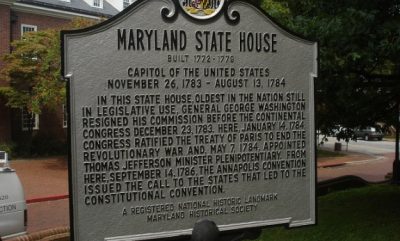
A new report from the Commission to Study the Impact of Immigrants in Maryland concludes that immigrants bring a plethora of economic, social, and cultural contributions to the state of Maryland. The commission, which was created by the Maryland General Assembly, also warns against attempts to deal with unauthorized immigration through enforcement-only policies that needlessly sow fear and distrust in immigrant communities. Rather, the commission admonishes, “Maryland must remain welcoming to immigrants, and the state and its local jurisdictions should further strengthen its efforts to integrate immigrants into the economy and the community.” Read More
America's story is an immigrant story.