Immigration Reform
The last time Congress updated our legal immigration system was November 1990, one month before the World Wide Web went online. We are long overdue for comprehensive immigration reform.
Through immigration reform, we can provide noncitizens with a system of justice that provides due process of law and a meaningful opportunity to be heard. Because it can be a contentious and wide-ranging issue, we aim to provide advocates with facts and work to move bipartisan solutions forward. Read more about topics like legalization for undocumented immigrants and border security below.In the Spotlight

Restoring Credibility and Humanity
- Interior Enforcement
- May 12, 2026
A new framework for U.S. immigration enforcement that prioritizes public safety, fairness, accountability, and humane, proportionate consequences. Read More
Read More

DREAMers Push For A Path To Citizenship
Ahead of a Wednesday meeting of House Republicans to discuss various options on immigration reform, hundreds of DREAMers—young immigrants who arrived in the U.S. as children—held their own version of a citizenship ceremony and rally yesterday to push for legislation that will provide a roadmap to citizenship for not only themselves but for millions of other undocumented immigrants as well. “We have come today to claim our citizenship,” said United We Dream’s Lorella Praeli. “2013 is not the time for separate but equal. It is not the time for legalization for some and citizenship for others.” Read More

White House Report Outlines the Economic Benefits of Immigration Reform
As Republicans in the House of Representatives search for a way forward on immigration reform, they should keep in mind a critical point: overhauling the U.S. immigration system would help jump start the sluggish U.S. economy. In other words, any Member of Congress who has expressed a desire to cut the federal budget deficit, create new jobs and businesses, boost wages, and increase U.S. economic output should be for immigration reform—not against it. Conversely, those who stand against reform should carefully consider the price that will be paid by the U.S. economy, and U.S. workers, if reform does not occur. Read More

A Guide to S.744: Understanding the 2013 Senate Immigration Bill
This guide to provide policymakers, the media, and the public with an easy-to-understand guide to the main components of S. 744 and the purpose behind them. Read More

The Civics Lessons Many Undocumented Immigrants Have Already Learned
If the Senate’s comprehensive immigration reform bill becomes law, many undocumented immigrants who apply for and become Registered Provisional Immigrants (RPIs) would have to pass an English and civics test before becoming Lawful Permanent Residents (LPRs). These tests are administered so New Americans can show their commitment to this country by demonstrating that they speak English and understand the basic tenets of our democracy. Although the test is a formal set of questions about American democracy—How many branches of government? Who was the first President? What is the Declaration of Independence?—the work leading up to passage of the Senate bill was itself a lesson in democracy. For many immigrants who may one day be RPIs, their participation in efforts to pass legislation shows that they have already participated in their first civics lesson. Read More
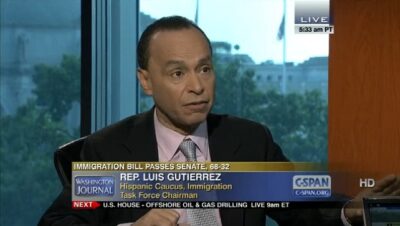
Spotlight Moves to House After Senate Approves Immigration Bill
Now that the Senate has passed a sweeping measure to improve U.S. immigration policies, the attention turns to the House of Representatives, where it is unclear exactly when or how they will take up an immigration bill. The Associated Press reported that President Obama called House Speaker John Boehner (R-OH) and House Minority Leader Nancy Pelosi (D-CA) after the Senate vote to urge them to have the House act on an immigration bill. Earlier this week, Boehner said the House would not take up S. 744 and would do its own bill instead. If the House passed a separate immigration measure, then a conference committee with members from both chambers would meet to reconcile the differences. Read More
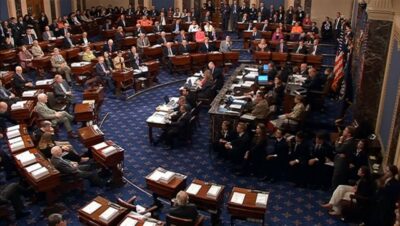
Senate Passes Landmark Immigration Reform Bill
The Senate approved a massive overhaul of the nation’s immigration policies today in a historic vote. They voted 68-32 to approve S. 744, the Gang of Eight’s immigration reform measure that the Senate Judiciary Committee passed in May. Immediately after the vote, Sen. Dick Durbin (D-IL), a member of the Gang of Eight and sponsor of the DREAM Act, tweeted, “Today, we have accomplished something great, made America a stronger nation & honored our heritage as a nation of immigrants.” Before they cast those votes, Senate Majority Leader Harry Reid reminded senators of the human side of immigration. “We’re here to talk about people, not pages of legislation,” he said. Read More
The American Immigration Council Applauds Senate Passage of Historic Immigration Reform Legislation
Washington D.C. – The American Immigration Council applauds the U.S. Senate for passing comprehensive immigration reform legislation (S. 744) by a vote of 68-32 (including 14 Republicans). This vote reflects how far the country has come in understanding the significance of immigration reform to the health and well-being of the… Read More

Beyond the Border Surge, What Else Is In the Senate Compromise?
On Monday, the Senate voted 67 to 27 to invoke cloture on Leahy 1183, an amendment to substitute the current version of the Senate’s immigration reform bill, S. 744, with a revised version of the bill that includes a host of amendments that have been referred to as the Corker/Hoeven compromise—or, more simply, the border surge. Thirty hours from that vote—sometime Wednesday morning—the Senate will actually vote on whether to adopt Leahy 1183. The cloture vote is a strong indicator of passage of the amendment and, many predict, of the bill overall. Read More

Nativist Group Fears an Immigration Tsunami Under Senate Immigration Bill
Throughout its history, the United States has benefited in innumerable ways from immigration. Men and women from every corner of the globe, with every conceivable skill set and educational background, have come here and added value to the U.S. economy and U.S. society. Likewise, the arrival of every new “wave” of immigrants has elicited shrill cries from nativists afraid that all of these newcomers will swamp the nation, throw native-born workers out of their jobs, and undermine “our” way of life. The nativists never seem to learn the lessons of history in this regard, because they keep making the same baseless claims, and indulging the same irrational fears, every generation. It doesn’t matter who the newcomers are—Germans, Italians, or Mexicans; Slavs, Africans, or Arabs—the arguments are always the same. Read More

Is a Border Surge the Only Way to Pass Immigration Reform and Ensure Legalization?
During the second full week of debate on S. 744, momentum towards passage increased with a positive CBO score, the defeat of several poison-pill amendments, and the announcement of a Republican border amendment that is thought to bring ten to fifteen Republicans to “yes” on final passage. A series of critical cloture votes is likely to be filed over the next few days, paving the way for a final vote next Friday. Despite this news, the mood is not jubilant, as good policy seems to be losing to pragmatic politics. Read More
America's story is an immigrant story.