Immigration Courts
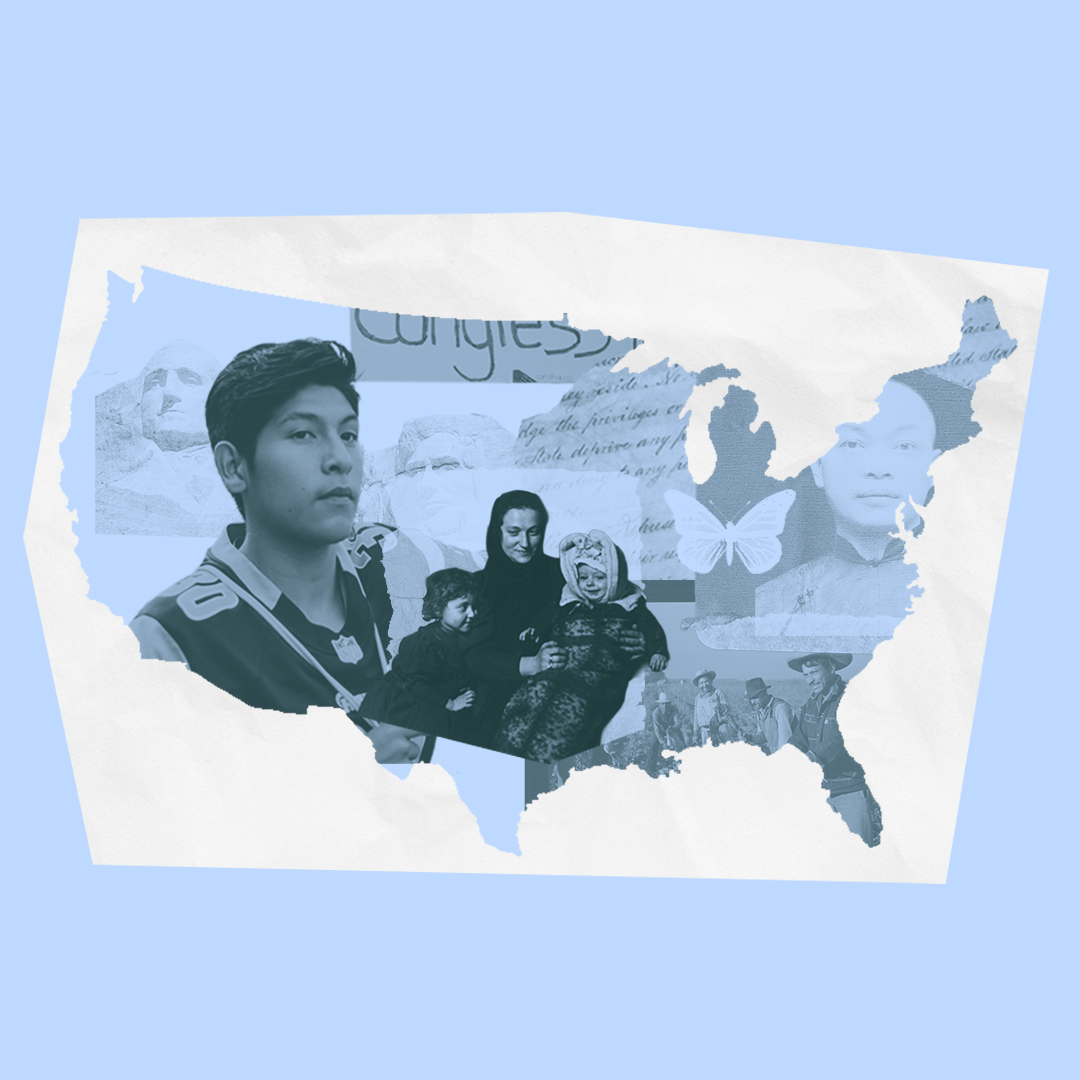
Immigration courts play a crucial role in ensuring that immigration laws are applied fairly and consistently, providing due process to those facing removal. Learn more about issues facing the courts today and explore the actions we're taking to ensure the rights of immigrants are upheld and legal integrity is maintained.

Supreme Court Flooded with Briefs Opposing Arizona SB 1070
Proponents of Arizona SB 1070 often insist that the infamous immigration law enjoys considerable public support. Yet even if such claims are correct, one would hardly know it from the flood of briefs filed at the Supreme Court this week opposing the measure. Unlike the monolithic set of briefs filed last month in support of SB 1070, the briefs opposing the law were submitted by a strikingly broad range of parties—from commissioners of the former INS, to more than 40 cities and counties, to a group of law enforcement officials that includes an Arizona sheriff whose county shares a border with Mexico. Read More
Supreme Court Brief on SB 1070: Arizona Seeking Confrontation, not Cooperation
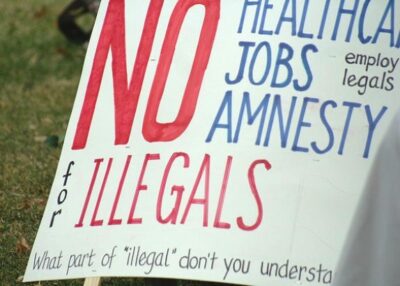
When Arizona Governor Jan Brewer wagged her finger in President Obama’s face at a Phoenix airport earlier this year, she may have been seeking to score political points with the White House’s ideological opponents. What the governor may not have realized, however, is that she was giving the Obama administration the photographic equivalent of its closing argument in the legal challenge to SB 1070—namely, that Arizona is more interested in confronting the federal government than cooperating with it. Read More

Appeals Court Blocks Two More Provisions of Alabama’s Extreme Immigration Law
The U.S Court of Appeals for the 11th Circuit temporarily enjoined two more controversial provisions of Alabama’s extreme immigration law (HB 56), adding to the list of enjoined provisions. Yesterday, the 11th Circuit blocked Section 27, which bars Alabama courts from enforcing a contract with an unlawfully present person, and Section 30, which makes it a felony for an undocumented immigrant to enter into a “business contract” (including business licenses, mobile home registration and basic utilities, like water, gas, and electric services) with the state. The sections of Alabama’s law that remain in effect include the “papers please” provision, which requires law enforcement officers to determine the legal status of those when stopped or arrested whom they have reasonable suspicion to believe is in the U.S. without documents, as well as an E-Verify provision. Read More

Courts, State Legislators Pull Back on Restrictive Immigration Legislation
Although several states were eager to introduce their own restrictive immigration bills following Arizona and Alabama’s harsh laws, some legislators and federal judges are now pulling back on these costly bills. A federal judge in Utah this week refused to issue a ruling on the state’s immigration law in anticipation of a Supreme Court ruling on Arizona’s law while a federal judge in Nebraska struck down part of a restrictive city ordinance, finding a housing provision to be “discriminatory.” Meanwhile, legislators in Kansas and Virginia also failed to move forward on a series of restrictive immigration bills this week, due in part, as one article suggests, to the “political blowback to similar measures that have been enacted in states such as Arizona, Alabama and Georgia.” Read More
At Supreme Court, Arizona Gets Help from the Usual Suspects
Following the filing last week of Arizona’s brief defending SB 1070, the Supreme Court has received a barrage of briefs supporting the notorious immigration law from a none-too-surprising array of suspects. As might be expected, the arguments range from the predictable (that the Obama Administration fails to enforce the immigration laws) to the provocative (that states can carry out all immigration functions short of deportation) to the preposterous (that the Constitution allows Arizona to wage war against an “invasion” of immigrants). Of course, while neither Arizona nor their lawyers can be held responsible for the arguments of outside organizations, the briefs still offer a revealing look at the identities and motivations of SB 1070’s most ardent supporters. Read More
In Fight Over SB 1070, Arizona Makes an All-Too-Familiar Case to the Supreme Court
The Supreme Court case involving Arizona SB 1070 has officially entered the home stretch. On Friday, the Justices announced that oral arguments will take place on the fourth Wednesday in April, making it the final case to be heard this term. Yesterday, Arizona filed its much-anticipated brief at the Supreme Court, laying out its legal defense of the four provisions currently blocked by a preliminary injunction. To make its case to the Court, Arizona retained renowned attorney Paul Clement, a former Solicitor General who is simultaneously handling the legal challenge to the Affordable Care Act. But while the state may have brought in new lawyers, much of its brief reads like an all-too-familiar “study” from an anti-immigration organization. Read More

It’s Time to Improve Noncitizens’ Access to Counsel
In the United States, most immigration decisions impacting noncitizens are made by immigration officials in informal proceedings far from a courtroom. While the right to an attorney (at the noncitizens’ own expense) in immigration court proceedings is widely recognized, the right to counsel in administrative settings outside of a courtroom is often overlooked or explicitly not recognized. As a result, many noncitizens are forced to navigate the immigration process alone. For those noncitizens that are represented, the Department of Homeland Security (DHS) often restricts their access to their lawyers. Read More
LAC Urges Fifth Circuit to Permit Removal Cases to Continue from Outside the United States
Washington, D.C.—The Legal Action Center, along with the National Immigration Project of the National Lawyers Guild (NIPNLG), filed an amicus brief yesterday urging the Fifth Circuit Court of Appeals to reject the departure bar, a regulation that the Board of Immigration Appeals (BIA) interprets as barring it from reviewing cases… Read More

Federal Judge Blocks Yet Another Provision of Alabama’s Extreme Anti-Immigrant Law
As if people needed more proof that Alabama’s extreme anti-immigrant law, HB 56, is bad for the state, a federal judge temporarily blocked enforcement of yet another provision of the law this week. U.S. District Court Judge Myron Thompson temporarily enjoined enforcement of Section 30 that, as applied, requires mobile home owners to provide proof of lawful status before renewing their registration. Judge Thompson’s ruling, in which he calls Alabama’s law “discriminatorily based,” is the latest in a series of blows to the harsh law—a law that even Alabama’s own attorney general and governor find problematic. Read More
Supreme Court to Weigh in on Injunctions Against Arizona SB 1070
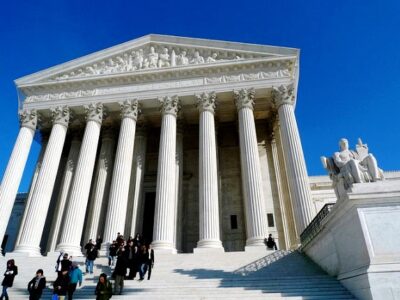
Earlier today, the Supreme Court announced what many supporters and opponents of Arizona SB 1070 long expected: that the Justices will themselves have the final word on the validity of the injunctions entered shortly after the law was enacted last year. Technically, the question before the Justices is simply whether four of the law’s provisions should be temporarily blocked pending resolution of a larger legal challenge. In addition, the Court will not consider claims raised in a separate lawsuit by numerous immigrants’ and civil rights groups. But in the decision it ultimately issues, the Supreme Court may well provide broad guidance about what role, if any, local police may play in enforcing federal immigration law—which could in turn affect legal challenges to copycat laws in other states, such as Alabama. Read More
America's story is an immigrant story.