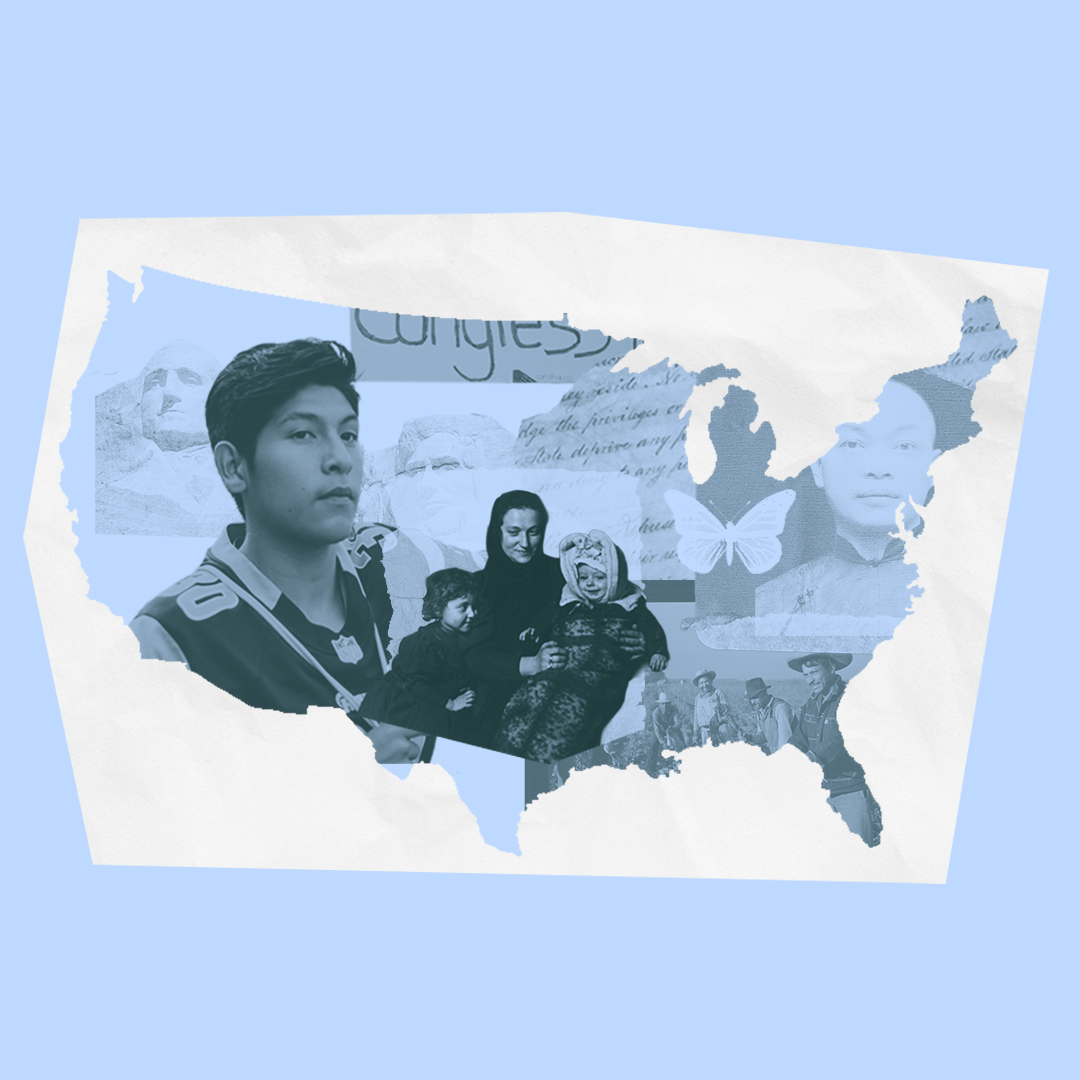
Immigration 101
Immigration in the United States is complex and ever-evolving. Start here to understand the fundamental aspects of immigration policy, its history, and its impact on both individuals and the country at large. Learn commonly used terms about immigration law and how the U.S. immigration system is designed. Explore layered topics like how and whether immigrants can become citizens, as well as what individual protections look like under the law.

How the United States Immigration System Works
- How the Immigration System Works
- June 24, 2024
U.S. immigration law is very complex, and there is much confusion as to how it works. This fact sheet provides basic information…
Read More
Birthright Citizenship in the United States
- Birthright Citizenship
- September 8, 2026
This fact sheet explains birthright citizenship, the Fourteenth Amendment, and its interpretations. Who is…
Read More
Asylum in the United States
- Asylum
- August 27, 2014
Asylum seekers must navigate a difficult and complex process that can involve multiple government…
Read More
Immigration Council Strongly Reaffirms Research on Reagan-Bush Family Fairness Policy
Washington D.C. – This week, the Washington Post issued another editorial in its campaign against President Obama’s decision to authorize temporary deportation relief for several million undocumented parents of U.S citizen children. In particular, the Post argues that there is no historical precedent for President Obama’s action, discounting the parallel… Read More

Talking Turkey—and all the Trimmings—on Immigration in 2014
My daughter, who is now in high school, casually mentioned to me that she had been talking to the receptionist in the school counselor’s office about the new deferred action program for parents of U.S. citizens and kids. She told the receptionist that this represents a great community service opportunity for high school kids who can babysit for the parents who will be filling out applications at the many legal clinics that would soon open up. This discussion of community service led to a broader conversation about why people come to America and that most of us, at some time or other, were immigrants. The African-American receptionist pointed out that not everyone came willingly, but she agreed with my daughter that everyone deserved a chance to improve their life in this country. Read More

Some Schools Need Reminding of their Obligation to Educate All Children
In the past year, more than 50,000 children have fled violence and persecution from Central America and Mexico and have crossed into the U.S. seeking protection. Most of them have been reunited with family members in America as they await their immigration court dates. In the meantime, our laws… Read More

Why Immigration Helps African American Employment
An old myth about African Americans and immigrants resurfaced on Monday thanks to a series of over-reactions to a U.S. Citizenship and Immigration Services (USCIS) procurement order. In the complicated world of government procurement, the government has to plan for purchases far in advance, even if it ultimately doesn’t purchase… Read More

Opponents of Immigration Reform Exploit Tragic California Shooting
An unauthorized immigrant allegedly shot and killed two police officers on Friday in Northern California. Not surprisingly, opponents of immigration reform immediately tried to turn a tragic incident into an argument against immigration reform. As Kevin Johnson, dean of University of California-Davis Law School, said, “Everyone agrees that… Read More
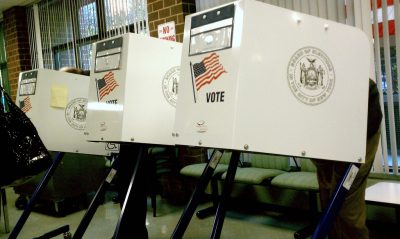
Non-Citizen Voter Fraud is Not Swaying Elections
Along with campaign ads and ballot initiatives, the November elections inevitably bring allegations that non-citizens are turning out in droves to skew elections. Despite repeated investigations over the years finding no indication that systematic vote fraud by non-citizens occurs, some voters will have to navigate cumbersome voter identification… Read More

Power of New American, Latino, and Asian Voters Continues to Grow
The U.S. electorate is undergoing a seismic shift that is playing itself out over the course of decades. As the American Immigration Council describes in a new report, “New Americans”—immigrants who are naturalized U.S. citizens, as well as the native-born children of immigrants—comprise a growing share of voters in… Read More

Immigration Restrictionists Exploit Ebola Tragedy
As the Ebola outbreak continues to take lives in West Africa, restrictionists have predictably started their “crusade” to ban travel from West African countries. Specifically, over the past few weeks, nativist groups such as the Center for Immigration Studies (CIS) and the Federation for American Immigration Reform (FAIR) as well… Read More

Majority of Individuals Released from Immigration Custody Do Appear in Court
Media outlets reported last week that according to Immigration and Customs Enforcement (ICE), about 70 percent of migrant families encountered at the border since May and released “haven’t reported” to an immigration office as instructed. ICE has released little other information about this data point. Several media outlets published… Read More

Anti-Immigrant Group Repeatedly Blames Immigrants for Unemployment
According to anti-immigrant groups such as the Center for Immigration Studies (CIS), every immigrant worker who enters the U.S. labor force is stealing a job from a native-born worker. In this view of the world, employment is a zero-sum game in which immigrants and the native-born compete for a… Read More
America's story is an immigrant story.