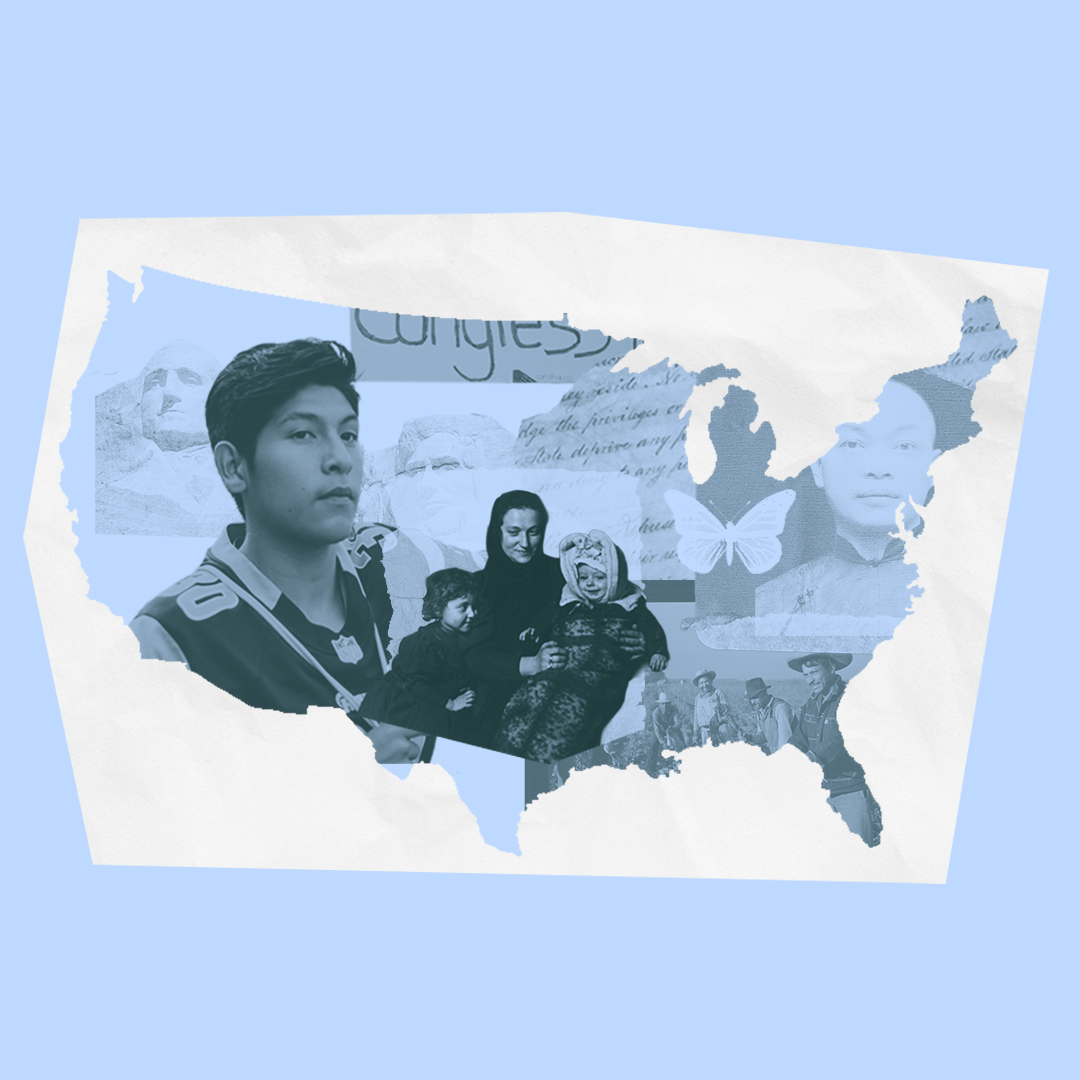
How the Immigration System Works
The U.S. immigration system operates under an intricate set of rules that outline who can enter, reside in, and become a citizen of the United States. It includes various pathways like family-based immigration, employment visas, and refugee and asylum status, each with its own criteria and application processes. Several federal agencies, including the Department of Homeland Security and the State Department, oversee the system and enforce immigration laws and policies, handle applications, and manage border control. Learn more by exploring the resources below.

How the United States Immigration System Works
- How the Immigration System Works
- June 24, 2024
U.S. immigration law is very complex, and there is much confusion as to how it works. This fact sheet provides basic information…
Read More

Temporary Protected Status (TPS): An Overview
This fact sheet provides an overview of how Temporary Protected Status designations are made, what benefits TPS confers, and how TPS beneficiaries apply for and regularly renew their status. Read More

Birthright Citizenship in the United States
This fact sheet explains birthright citizenship, the Fourteenth Amendment, and its interpretations. Who is eligible for birthright citizenship? Can birthright citizenship be taken away? Read More
What Are Third-Country Removals? Understanding Their Use In U.S. Immigration Policy
Third-country deportation and third-country removal are terms used to refer to any case in which the government sends someone to a country that is not the country in which they lived prior to arriving in the United States, nor to a country of which they are a citizen or… Read More

New BIA Ruling on Advance Parole Narrows Legal Immigration Options for DACA Recipients and Others
The Board of Immigration Appeals (BIA) has overturned a 14-year-old precedential decision, limiting an important pathway to permanent residence for certain long-residing noncitizens, including Deferred Action for Childhood Arrivals (DACA) recipients. For years, “advance parole” has allowed some undocumented noncitizens—who previously entered the United States without authorization—to… Read More

Unpacking Myths About Noncitizen Voting — How Heritage Foundation’s Own Data Still Proves It’s Not the Problem It’s Made Out to Be
For more than a decade, some politicians have called for substantial changes to how Americans vote in federal elections, including strict voter ID and additional citizenship screening during voter registration, based on claims of noncitizen voting. President Donald Trump has demanded that Congress pass the Safeguard American Voter Eligibility… Read More

Council and Partners File FOIA Request for Records of Guidance from ICE to Local Law Enforcement about Releasing Records under State Laws
A new FOIA request seeks records revealing how ICE advises local law enforcement agencies on disclosing records under state public information and transparency laws. Read More

Immigration Detainers: An Overview
This fact sheet explains detainers, how they are used by federal and local enforcement, and the impact they have on immigrants. Read More

Employment-Based Visa Categories in the United States: An Overview
Current U.S. immigration law provides several paths for foreign workers to enter the United States for employment purposes on a temporary or permanent basis. This fact sheet provides basic information about how the employment-based U.S. immigration system works. Read More

Council and Just Futures Law File FOIA Request Seeking Information on USCIS’ Implementation of “Anti-Americanism” in Adjudicating Benefit Applications
Following the issuance of two executive orders in the early days of the second Trump administration, U.S. Citizenship and Immigration Services (USCIS) announced on April 9, 2025 that it would begin considering “anti-Semitic activity” on social media as grounds for denying immigration benefit requests. Shortly thereafter, USCIS claimed also… Read More

More Sunshine Is Needed on Immigration Agencies
Legal filings recently revealed that the federal agency that runs immigration courts has just two attorneys responsible for processing complex public records requests. Two lawyers to handle requests for information about a system that decides the fate of hundreds of thousands of immigrants every year. This revelation… Read More
America's story is an immigrant story.