Due Process and the Courts
What does the constitution say about due process?
The Fifth Amendment to the Constitution says clearly that no person shall be deprived of life, liberty, or property without the due process of law. Note that this says person, not citizen, and over the years the Supreme Court has consistently ruled that the Due Process Clause applies to all people in the United States.Do non-citizens have the right to due process in the U.S.?
Yes. The Constitution guarantees due process rights to all "persons," not just citizens. This means non-citizens, including undocumented immigrants, are entitled to fair treatment under the law. This includes the right to defend themselves in court. But recent Trump administration policies that speed up deportations and limit access to legal representation make it harder for non-citizens to get their fair day in court.- Access to legal representation Access to legal counsel is an essential part of our justice system and our democracy. In the criminal justice system, anyone facing even one day in jail gets a lawyer if they can't afford one. But immigrants facing deportation usually don't get that chance.The research is clear – the most effective way to ensure some level of due process for people navigating our complicated immigration system is for them to have trained attorney at their side.But Trump administration is now working to strip attorneys from as many people as possible, all in the name of increasing its deportation numbers. This attempt to eliminate basic due process will hurt people who already have few options.
- Fair day in court Due process guarantees that individuals have the opportunity to defend themselves in court. This includes non-citizens facing deportation.
Why is due process important?
We are seeing right now the importance of due process when it comes to President Trump's actions to carry out the so-called Alien Enemies Act, a 1798 wartime law that permits people to be deported outside of the normal framework of immigration law. President Trump has alleged that this law allows him to simply point at any person, declare them to be an alien enemy, and kick them out of the country without ever having a chance to see a judge. Thankfully, the Supreme Court said that is not true, and in a unanimous decision, ruled that people can challenge the Trump administration's invocation of the Alien Enemies Act. That is why due process is so important, because it means that no person can be rounded up and sent to another country without a chance to go to court and make the government prove their case.How is the American Immigration Council working to protect due process?
- We serve thousands of individuals in immigration detention centers through the Immigration Justice Campaign, our initiative with the American Immigration Lawyers Association. The Justice Campaign provides free legal services for immigrants who would otherwise have to navigate our complicated immigration system without a lawyer.
- We use the courts to demand a fair process for immigrants. Our litigation team is fighting back against the Trump administration’s blatant disregard for due process including filing a lawsuit challenging their illegal detention of immigrants in El Salvador’s notorious Terrorism Confinement Center (CECOT).

National Immigrant Rights Organizations Sue the Federal Government Over Withheld Records on ICE Arrests in Immigration Courts
Washington, D.C, October 15 — Today, LatinoJustice PRLDEF, the American Immigration Council, and Democracy Forward filed a lawsuit in the U.S. District Court for the Southern District of New York, demanding the release of critical records the government has unlawfully withheld about arrests at immigration courts and the dismissal… Read More

ICE Attorneys Increasingly Request Case Dismissals at Immigration Court Hearings—and Immigration Judges Grant Them on the Spot
As part of the Trump administration’s larger efforts to carry out its mass deportation agenda, U.S. Immigration and Customs Enforcement (ICE) attorneys—who represent the government in removal proceedings—are increasingly asking immigration judges to dismiss noncitizens’ immigration court cases. Rolled out nationwide around May 20 in conjunction with… Read More

BIA Decision Strips Immigration Judges of Bond Authority, All but Guaranteeing Mandatory Detention for Undocumented Immigrants
On September 5, the Trump administration took yet another step to punish undocumented people in the United States. In Matter of Yajure Hurtado, the Board of Immigration Appeals proclaimed that any person who crossed the border unlawfully and is later taken into immigration detention is no longer eligible… Read More
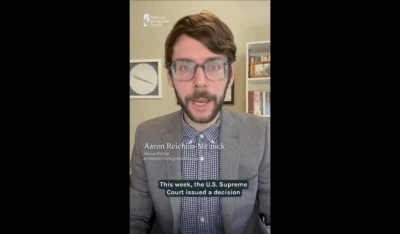
How the Supreme Court’s Latest Decision Clears the Way for Racial Profiling During Immigration Raids
This week the U.S. Supreme Court issued a decision that clears the way for racial profiling during immigration raids and sweeps. Now we could see the Trump administration rapidly expand the racially discriminatory ICE practices we have already seen terrorize families, workplaces, and communities around the country for… Read More

Trump Administration Appoints Hundreds of Unqualified Military Lawyers to Serve as Immigration Judges
This week, the Department of Defense (DOD) approved sending up to 600 military lawyers to serve as temporary immigration judges—which would double the total number of immigration judges at the Department of Justice. This is yet another example of the Trump administration diverting military resources away from national… Read More

Amicus Brief Argues that Judicial Review is Available When Consular Officer Reclassifies an Immigrant Visa Petition Creating Delay for Applicant
This amicus brief argues that when a consular officer reclassifies an immigrant visa petition based on agency policy, then the consular nonreviewability doctrine does not apply. The brief argues that the consular officer neither denied the visa nor made an individualized discretionary decision—and instead placed the applicant into a… Read More

Amicus Brief in Support of Judicial Review of Delay Claims when Immigrant Visa Applications are in Administrative Processing
This amicus brief argues that a federal district court may review a claim for unreasonable delay when an immigrant visa application is in administrative processing for around two years after the interview occurred. The brief supports the district court’s conclusion that administrative processing is not a final decision by… Read More

Seeking Records about Immigration Court Arrests and Dismissals
In the middle of May 2025, U.S. Immigration and Customs Enforcement (“ICE”) began to arrest noncitizens at immigration courts throughout the country at their court hearings. Initially, the agency targeted only those whose immigration cases an immigration judge had just dismissed… Read More
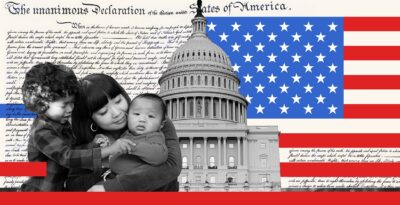
Mass Deportation: Analyzing the Trump Administration’s Attacks on Immigrants, Democracy, and America
The first six months of President Trump’s return to office have marked the most extreme changes to the immigration system in modern U.S. history. Read More
Senate Approves Unprecedented Spending for Mass Deportation, Ignoring What’s Broken in our Immigration System
Washington DC, July 1, 2025 — On July 1, the U.S. Senate passed a budget reconciliation bill that includes an unprecedented allocation of funds for immigration detention and enforcement while simultaneously stripping healthcare from millions of Americans. The bill, passed today with Vice President JD Vance contributing the… Read More
America's story is an immigrant story.