Agriculture
Agriculture and farming is a cherished part of American identity and remains an important part of the American economy. In 2020, the agriculture, fishing, and forestry industries contributed more than $175 billion to U.S. GDP and supported more than 2.3 million workers. The health of America's farms and the agriculture industry, however, is tied directly to immigration. Farmers frequently worry about finding enough workers as few Americans seem willing to take on the most difficult and physical farm jobs—particularly those harvesting fresh fruits and vegetables. Yet the H-2A visa, the only agricultural visa currently available to American farms, is too expensive and cumbersome to work for many U.S. growers. We explore this issue—and the way it costs our economy—below.
Current Visa Programs are Little Help to this Montana Farmer
Don Steinbeisser, Jr. knows the challenges involved in running a business in Sidney, Montana—a small, windswept town on the state’s western border. “I live in a black hole,” says Steinbeisser, who runs a 9,500-acre farm that has been in his family for four generations. “Sidney is one of the farthest… Read More
Fourth-Generation Farmer Says Labor Shortages have led to Crop Loss
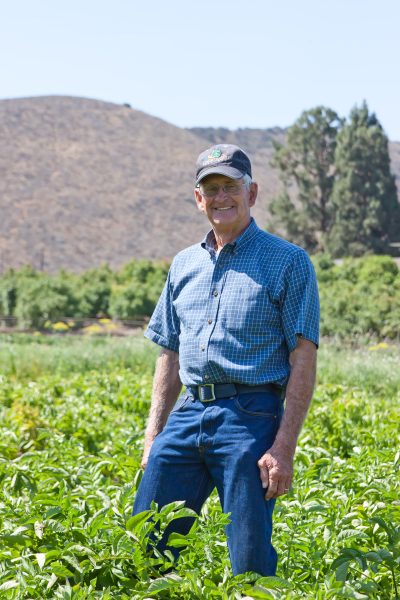
A fourth-generation farmer, Craig Underwood has been working and running Underwood Ranches (and Underwood Family Farms) for 45 years. But labor shortages are forcing him to turn to mechanized crops, and he has lost faith that the government will repair the H2-A visa program so farmers like… Read More
Why Do Migrant Workers Deserve Immigration Reform? Because They Help Uphold the American Economy
Annaliza Gourneau, a Commissioner of the Mesilla Valley Public Housing Authority and a Program Coordinator with the nonprofit HELP-New Mexico, Inc. (HELP-NM), knows firsthand what it’s like to grow up without a permanent home. “As a migrant child you experience homelessness,” she says. “You’re borderline homeless, or you are homeless. Read More
What Do Farmers in Michigan Need? ‘Labor, Labor, Labor’
In 2012, a brutal frost destroyed much of Michigan’s apple and cherry harvests, forcing farmers to turn away the migrant fruit-pickers who had traveled up from Texas and Florida. Many of the workers never came back. The following year, a bumper crop of fruit wound up rotting on the trees,… Read More
Prominent Nebraska Nursery Struggles to Find Enough Workers
After 60 years of steady expansion, Mulhall’s Nursery may have to face stagnation, says co-owner Dan Mulhall. Why? Lack of immigrant labor in an industry in which the American-born seem less willing to work with each passing year. “Who will do the work?” he asks. In 1951, former U.S. Navy… Read More
Georgia Farmer Says Broken Immigration Policy Hurts His Bottom Line
Bill Brim is a lifelong Georgia farmer who’s beyond frustrated with the immigration system’s agriculture guest worker program. Brim relies on the H-2A visa program to hire about 600 migrant workers from Mexico to help harvest the bell peppers, squash, watermelon, broccoli and other produce that grows on his 6,000-acre,… Read More
Got Milk? In 2014, Half of All U.S. Dairy Workers Were Immigrants
Olga Reuvekamp is among dozens of immigrants who have bought dairy farms in South Dakota since 2000, helping to stem the decline of milk production in the state. Her 4,500-head farm is dependent on immigrant labor, though, and she says there are no good visas for dairy. In… Read More
Immigrant Workers Vital to North Carolina’s Varied Crops, says NC Farm Bureau President
During his decades as a tobacco farmer, Larry Wooten has seen the supply of native-born farm workers gradually wane and immigrant labor become increasingly critical to North Carolina’s agricultural sector. He says the existing seasonal guest-worker program isn’t capable of meeting farmers’ labor needs and that reform is needed to… Read More
Farmer: Immigrants a Valuable Resource, Not a Problem
When 60-year-old Bert Lemkes sees Hispanic immigrants working in the fields around his home in western North Carolina, or in the greenhouses and nurseries he helps manage, he’s reminded of his own arrival in the United States. “I always compare myself to those people who come here to work and… Read More

Lack of Labor: A Sweet Potato Farmer’s “Nightmare”
Every winter, Melissa Edmondson sends a stream of paperwork along with a $4,000 check to a firm in Georgia that specializes in processing visas for seasonal immigrant labor. The firm mails all the appropriate forms to all the appropriate agencies – state and federal offices scattered around… Read More
Immigrants and American Farms
In 2019, more than half of all hired farmworkers in the United States were immigrants, or roughly 450,000 workers. In many states known for their fresh produce, immigrant farm laborers make up large shares of miscellaneous agriculture workers—the occupation that includes those hand picking crops in the field.
Share of Miscellaneous Agricultural Workers in Crop Production, Undocumented, 2019
Farm Labor Shortages
In recent years, the number of new immigrants arriving in the country to work in agriculture has fallen by 75 percent. Rising wages indicate this has led to a major labor shortage on U.S. farms—making it difficult for many growers to stay in business or expand their operations. The workers left are also aging rapidly, meaning shortages will likely worsen as they retire.
Decline in Key States
The Aging of Foreign-Born Farm Workers
The Cost of Our Farm Labor Shortage
Because agriculture is intertwined with so many other industries in our economy—such as transportation, packing, and irrigation—a shortage of farm workers hurts the U.S. economy more broadly. We estimate U.S. growers would have produced $3.1 billion more in fresh fruits and vegetables per year by 2014 had farm labor not been an issue. The table in this section shows the costs to the U.S. economy for failing to meet this target.
Rising Imports
In recent years, there has been a dramatic increase in the amount of fresh fruits and vegetables Americans eat that is imported. Although many factors play into this phenomenon, we estimate labor shortages alone explain 27 percent of the market share decline experienced by U.S. growers from 1998-2000 to 2010-2012. Had growers maintained their hold on the domestic market, an estimated 89,300 additional U.S. jobs would have been created by 2012.
Jobs Americans Won’t Do
U.S. fresh produce growers have long said that few, if any, American workers are willing to take on the most arduous farm jobs. We studied this issue in North Carolina, examining how many American workers actually applied for heavily advertised farming positions in 2011, a period when the country was still recovering from the recession. The table in this section shows the results.
The H-2A Visa
The H-2A visa program, the only visa currently available to bring in temporary agriculture workers, is too cumbersome and unworkable for many farms. Farmers desperate for workers frequently go through the application process only to receive their laborers late, resulting in crop loss.
Sources:
1 “Why Domestic Agriculture Needs New, Workable Farm Labor Alternatives Now,” National Council of Agricultural Employers, 2011. Available online.
2Ibid.
3Ibid.
America's story is an immigrant story.