Agriculture
Agriculture and farming is a cherished part of American identity and remains an important part of the American economy. In 2020, the agriculture, fishing, and forestry industries contributed more than $175 billion to U.S. GDP and supported more than 2.3 million workers. The health of America's farms and the agriculture industry, however, is tied directly to immigration. Farmers frequently worry about finding enough workers as few Americans seem willing to take on the most difficult and physical farm jobs—particularly those harvesting fresh fruits and vegetables. Yet the H-2A visa, the only agricultural visa currently available to American farms, is too expensive and cumbersome to work for many U.S. growers. We explore this issue—and the way it costs our economy—below.
Upstate, a Fourth Generation Farmer Makes Passionate Plea for Immigration Reform
Brian Reeves has a hiring problem. Before the fourth-generation farmer can hire seasonal employees from abroad, he must first advertise the job openings in the local media. But Reeves, who sells his produce to both national chains and mom and pop groceries, says he almost never gets any takers. Employees… Read More
Mexican-Born Immigrant Has a Ninth Grade Education—and a Highly Successful Restaurant in Waco
For Cesar Leal, life in the United States “is like having a big table full of food and you’re just allowed to eat until you’re full.” It’s fitting then, that Leal’s livelihood in Waco, Texas, revolves around food. Originally from Mexico and now a U.S. citizen, the entrepreneur opened Leal’s… Read More
A Georgia Farmer’s Not So Peachy Ordeal with the Immigration System
Lawton Pearson is a fifth-generation Georgia peach farmer. Even though he left rural Fort Valley, GA to attend college and law school, he couldn’t give up the farming way of life and soon returned. He’s attracted to the high-risk, high-reward stakes of owning his own business. Plus, he loves the… Read More
Third-Generation Georgia Farmer Says The Health of the Agriculture Industry Depends on Immigration Reform
Gerald Long is a third-generation Georgia farmer who has come up with a unique solution to the challenge of finding enough workers to harvest his vegetable crops: About 30 years ago, he started inviting the public to pick his red Irish potatoes, squash and snap beans at his farm. For… Read More
Immigrant Workers Help Keep an Oregon Family Nursery in Business
For the past 11 years, Angela Bailey has run a fourth generation nursery that she inherited from her family. Her primary business challenge is finding enough immigrant employees to work the farm. Bailey depends upon these workers; not once has an American applied for a job. When someone wants a… Read More
California Peach Canning Association CEO Warns of Industry Decline Without Immigration Reform
Rich Hudgins, the CEO of the California Peach Canning Association, has seen the state’s peach acreage decline by nearly 30 percent in the last decade—a troubling trend he attributes to U.S. immigration policy. “California’s peach acreage has declined by nearly 40 percent in the last decade because growers have… Read More
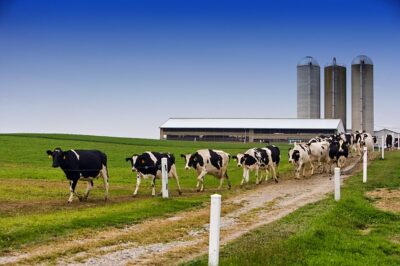
Idaho Veterinarian Sees Troubling Labor Challenges in Clients’ Businesses
Elizabeth Kohtz grew up on a family farm in Idaho where her father relied on migrant workers to keep the dairy running. Immigration policy limited his access to workers. Today, Kohtz works as a dairy veterinarian and sees the same troubling labor challenges play out in her clients’ businesses. When… Read More
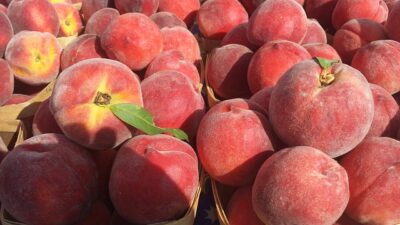
Without Immigrants, Peaches Left to Rot in the Fields
Bruce Talbott relies on temporary visas to harvest his peaches. Even so, he has faced a significant labor shortage for the last two years running. Picture 100 bins’ worth of peaches rotting in the hot July sun. That’s what America’s broken immigration system has led to for Bruce Talbott and… Read More
Failure to Enact Immigration Reform Puts American Food Supply at Risk Says Former USApple Chair
Bill Dodd, a Republican and leader in Ohio’s apple farming community, is an expert in the apple business. A fourth-generation farmer, he lives on the same 85-acre farm that his great-grandfather bought more than half a century ago. As a farmer and an advocate for farmers, Dodd has watched America’s… Read More
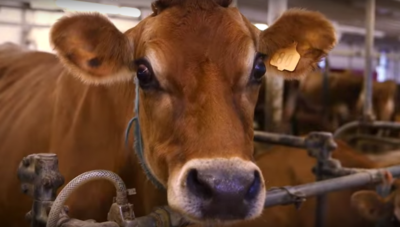
‘Local Workers’ Won’t Do This Dirty Job
Forty one percent of dairy farm workers are foreign born, so it’s no surprise Mike McMahon—who pays his workers $9 per hour to milk his cows—is paying close attention to what the 2016 presidential candidates have to say about immigration.
Immigrants and American Farms
In 2019, more than half of all hired farmworkers in the United States were immigrants, or roughly 450,000 workers. In many states known for their fresh produce, immigrant farm laborers make up large shares of miscellaneous agriculture workers—the occupation that includes those hand picking crops in the field.
Share of Miscellaneous Agricultural Workers in Crop Production, Undocumented, 2019
Farm Labor Shortages
In recent years, the number of new immigrants arriving in the country to work in agriculture has fallen by 75 percent. Rising wages indicate this has led to a major labor shortage on U.S. farms—making it difficult for many growers to stay in business or expand their operations. The workers left are also aging rapidly, meaning shortages will likely worsen as they retire.
Decline in Key States
The Aging of Foreign-Born Farm Workers
The Cost of Our Farm Labor Shortage
Because agriculture is intertwined with so many other industries in our economy—such as transportation, packing, and irrigation—a shortage of farm workers hurts the U.S. economy more broadly. We estimate U.S. growers would have produced $3.1 billion more in fresh fruits and vegetables per year by 2014 had farm labor not been an issue. The table in this section shows the costs to the U.S. economy for failing to meet this target.
Rising Imports
In recent years, there has been a dramatic increase in the amount of fresh fruits and vegetables Americans eat that is imported. Although many factors play into this phenomenon, we estimate labor shortages alone explain 27 percent of the market share decline experienced by U.S. growers from 1998-2000 to 2010-2012. Had growers maintained their hold on the domestic market, an estimated 89,300 additional U.S. jobs would have been created by 2012.
Jobs Americans Won’t Do
U.S. fresh produce growers have long said that few, if any, American workers are willing to take on the most arduous farm jobs. We studied this issue in North Carolina, examining how many American workers actually applied for heavily advertised farming positions in 2011, a period when the country was still recovering from the recession. The table in this section shows the results.
The H-2A Visa
The H-2A visa program, the only visa currently available to bring in temporary agriculture workers, is too cumbersome and unworkable for many farms. Farmers desperate for workers frequently go through the application process only to receive their laborers late, resulting in crop loss.
Sources:
1 “Why Domestic Agriculture Needs New, Workable Farm Labor Alternatives Now,” National Council of Agricultural Employers, 2011. Available online.
2Ibid.
3Ibid.
America's story is an immigrant story.
