 The American Immigration Council is a non-profit, non-partisan organization.
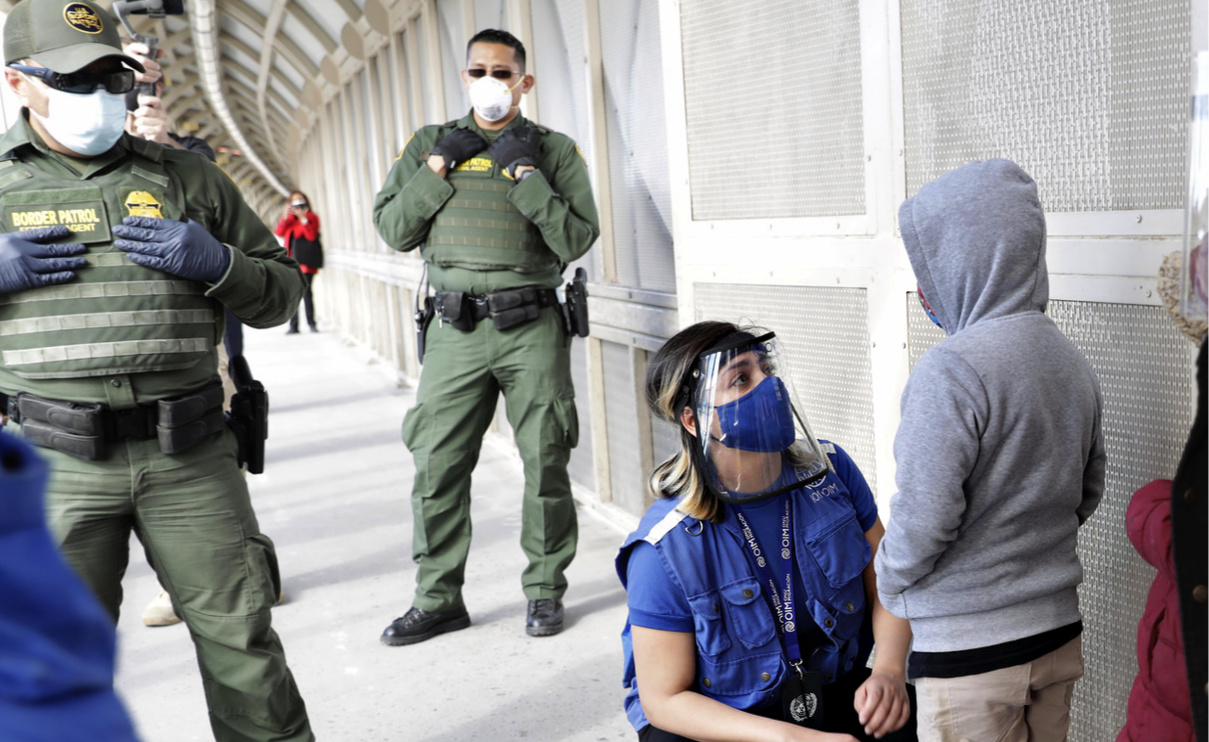
 A large federal contract that had funded the nonprofit legal organizations representing more than 20,000 unaccompanied immigrant children expired on July 31. The end of the contract impacts a nationwide network of nearly 100 legal service providers that help migrant children navigate one of the most complicated legal systems in the country.
This is part of a series of actions the Trump administration has taken to end funding for these legal services. In March 2025, the Office of Refugee Resettlement (ORR) moved to terminate the portion of its contract with the Acacia Center for Justice that funded direct legal representation for unaccompanied children. The government ordered Acacia to stop work, effectively cutting off the network of nonprofit organizations that had been representing children across the country. A federal district court subsequently ordered the government to continue to fund the program because the government had cancelled funding without providing a meaningful alternative for ensuring that children receive counsel.
The administration then sought additional information about the children represented by these organizations, including information that providers argued implicated attorney-client confidentiality, in exchange for payment. By June 2026, the federal government had withheld nearly $65 million for services performed since December 2025. The same federal district court ordered on August 6 that the government pay the nonprofits for their unpaid work.
When the administration allowed the Acacia contract to expire on July 31, it began to look for new providers through noncompetitive processes.
One agreement was awarded to Burke Law Group, a small Houston firm with limited experience in immigration law on August 6. Last week, however, the Burke Law Group withdrew from consideration. On August 7, the administration awarded a noncompetitive contract for up to $244 million to Our Rescue, for legal services for unaccompanied children. Our Rescue’s background raises its own questions about whether it has the immigration-law expertise necessary to represent thousands of children in complex immigration proceedings. ORR has stated that another group with experience providing immigration legal services, the U.S. Committee for Refugees and Immigrants (USCRI), will be providing legal representation to unaccompanied children until Dec. 31.
For an administration pursuing a mass deportation agenda that seeks to maximize arrests and deportations, access to counsel is essential for those navigating the system. Legal representation is a significant indicator of success in immigration court despite noncitizens not having a right to government-funded representation. An American Immigration Council report showed that between FY 2019 and 2024, people without legal representation were overall more than 2.5 times more likely to receive an order of removal than their represented counterparts. For people in detention, that number grew to 10.5 times.
That is precisely why Congress has required the federal government to provide access to counsel to unaccompanied children “to the greatest extent practicable.” Without federally funded legal services, a child is expected to navigate immigration court against government attorneys while trying to understand statutes, regulations, court processes and complicated forms of immigration relief.
The expiration of ORR’s contract with Acacia is the latest chapter in a broader effort by the Trump administration to make it harder for immigrants to obtain legal assistance in immigration court proceedings.
Since the beginning of the Trump administration, it has repeatedly targeted federally funded immigration legal services. In January 2025, the Department of Justice (DOJ) issued stop work orders, which halted four programs that provide immigrants with information about immigration proceedings, referrals to pro bono attorneys, and other assistance. These include the Counsel for Children Initiative, the Legal Orientation Program (LOP), the Immigration Court Helpdesk, and the Family Group Legal Orientation Program. Congress has funded LOP since 2003, including allocating $27.5 million in FY 2026. Twelve nonprofit organizations sued arguing that the government’s actions violated federal administrative procedures and improperly disregarded Congress’s funding requirements.
While the administration rescinded the stop work orders in February 2025, two months later, it moved to terminate the underlying contracts with legal service providers receiving federal dollars to manage these programs. In court documents, declarations confirmed that the DOJ intended to end the Counsel for Children Initiative, the Immigration Court Helpdesk, and the Family Group Legal Orientation Program, while transferring the LOP program, and a similar program for custodians of unaccompanied children, LOP-C, away from civil society organizations with legal representation expertise and moving them “in-house” instead.
Two other legal access programs the administration tried to terminate are being operated under court orders. Those programs are the National Qualified Representative Program for people experiencing immigration court-recognized mental competency issues, and the Legal Access Services for Reunified Families program for family members under a settlement agreement who had been separated during the first Trump administration.
Instead of meeting its obligations by funding critical legal access programs, the Trump administration has repeatedly taken a different path: terminating existing providers, stopping and withholding payments, imposing new demands, and moving toward replacement arrangements with entities with no expertise in representing immigrants through complex legal processes, all with little public explanation. The result is a system in which Congress can appropriate money for legal services, but the administration can undermine the purpose of those appropriations through the contracting process itself.